When phosphate control is needed in reef or marine aquariums, selecting an effective remover matters. This guide highlights five reliable options and explains who each product suits best, along with practical considerations. The top picks are aimed at hobbyists with varying tank sizes and bioload, from heavily stocked reefs to growing nano systems.
Overview of chosen products:
| Product | Best For | Key Benefit |
|---|---|---|
| Brightwell Aquatics Phosphat-E 4.2 fl oz | Heavily stocked reef tanks | Quick, precise phosphate reduction with reef safety |
| Brightwell Aquatics Phosphat-E 8.45 fl oz | Medium to large reefs | Higher volume dosing for ongoing reduction |
| Kolar Labs GFO Bayoxide E33 Phosphate Remover | Both fresh and saltwater systems | High-quality GFO for broad compatibility |
| Fluval ClearMax Phosphate Remover | Canister-filter users | Multi-purpose resin media with filtration benefits |
| Aqua Algae Phos-Resolve Phosphate Remover | Large systems and clouds-prone tanks | High-concentration lanthanum chloride for rapid action |
Brightwell Aquatics Phosphat-E 4.2 Fl Oz
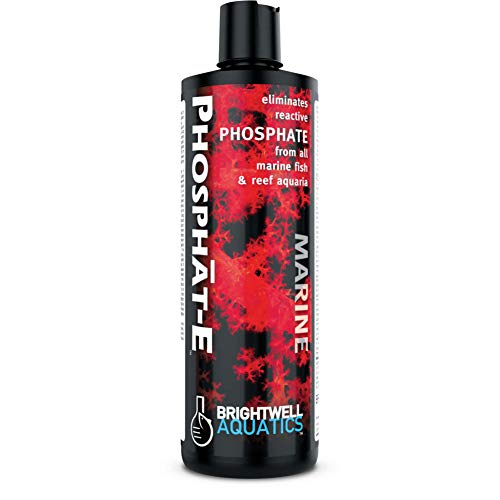
Contains a potent phosphate remover designed to control phosphate levels in heavily stocked marine and reef aquariums. It offers quick reduction of reactive phosphate and is formulated to be safe for all inhabitants in reef- or marine-fish-only setups. Use is ongoing for persistent phosphate management. After treatment, phosphate test kits may show false positives due to the chemical mechanism of the kit, and the aquarium may become slightly cloudy temporarily.
Best for: Large or heavily stocked reef tanks needing rapid phosphate reduction while preserving coral health. Limitations: Initial cloudiness can occur; follow test results and dosing guidelines to avoid overuse.
Brightwell Aquatics Phosphat-E 8.45 Fl Oz

This larger bottle of Phosphat-E provides extended phosphate reduction for ongoing management in medium to large reef systems. It shares the same safety profile and rapid action as the smaller bottle, making it suitable for ongoing maintenance without frequent dosing changes. Some users may notice minor cloudiness after application, which typically clears quickly.
Best for: Medium to large reefs that require sustained phosphate control without frequent dosing changes. Limitations: Monitor for temporary cloudiness after dosing and test phosphate levels to calibrate ongoing use.
Brightwell Aquatics Phosphat-E – Liquid Phosphate Remover
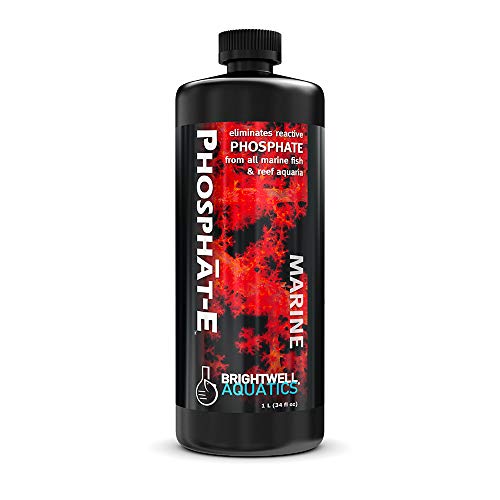
Another variant of Phosphat-E designed to assist in phosphate control for reef and marine-fish aquariums. It offers immediate phosphate reduction and can be integrated into an ongoing removal strategy. As with other chemical removers, initial testing may show temporary fluctuations as the tank adjusts.
Best for: Hobbyists seeking a consistent, easy-to-use phosphate remover within established reef systems. Limitations: Observe any short-term changes in water clarity after dosing.
Kolar Labs GFO Bayoxide E33 Phosphate Remover
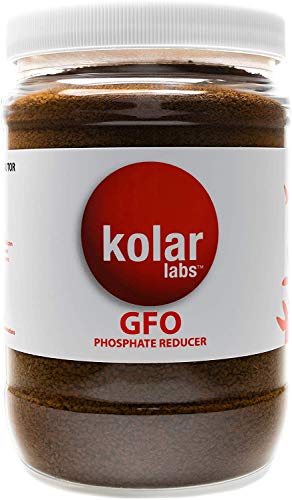
Bayoxide E33 granular ferric oxide (GFO) provides high-quality phosphate removal compatible with both freshwater and saltwater systems, including reef tanks. It reduces phosphates efficiently and helps keep aquariums clear and healthy. Best for users who want a robust GFO-based approach. Caution: This product should be used according to dosing guidelines to avoid unintended nutrient imbalances in sensitive tanks.
Best for: Reef and mixed systems where GFO-based removal is preferred. Limitations: Regular replacement is needed as GFO fines can affect filtration if not managed properly.
Fluval ClearMax Phosphate Remover
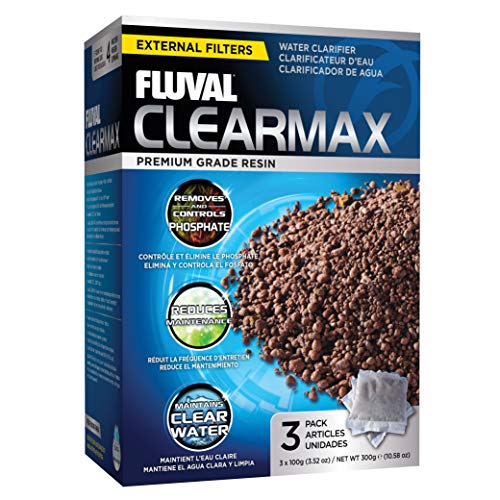
ClearMax is a resin-based chemical filter media designed to absorb phosphate, nitrite, and nitrate. It is compatible with Fluval canister filters and helps clarify water while supporting easier tank maintenance. This makes it a practical choice for canister-filter users who want a multi-purpose media option.
Best for: Canister-filter setups needing a reef-compatible, multi-nutrient-removing media. Limitations: It is a media rather than a standalone dose; ensure your filtration system accepts media packs.
Aqua Algae Phos-Resolve Phosphate Remover

Phos-Resolve contains a laboratory-grade 15% lanthanum chloride solution designed to bind dissolved inorganic phosphates in the water column. It is suitable for large marine systems and nano tanks alike. It rapidly binds phosphates on contact, forming a precipitate that is removed by filtration. A dedicated measuring cup and slow dosing help maintain stable water chemistry.
Best for: Large systems or tanks prone to cloudy water due to phosphate buildup. Limitations: Requires careful dosing and filtration management to avoid sudden shifts in chemistry.
Buying Guide
Key factors when choosing a phosphate remover for a reef or marine aquarium include concentration, media type, dosing practicality, tank size, and compatibility with your filtration approach. Consider the following:
- Tank size and bioload: Larger or heavily stocked tanks may need higher-volume removers or slower, controlled dosing to avoid rapid shifts.
- Media type: GFO-based removers (Bayoxide E33) work well in many systems but require replacement; resin-based media (ClearMax) offers multi-nutrient removal with canister filters.
- Form factor and dosing convenience: Liquid phosphators may be easier to dose precisely, while granular media requires media exchange or filter changes.
- Water clarity considerations: Some products may cause temporary cloudiness as phosphates precipitate; plan dosing during maintenance windows.
- Compatibilty with existing equipment: Ensure the product works with your current filtration setup (canister filters, protein skimmers, etc.).
- Measurement and safety: Use dedicated measuring tools when dose guidance exists and follow kit instructions to avoid rapid chemistry shifts.
FAQ
- What is the role of phosphate removers in reef tanks? They reduce dissolved phosphates that fuel nuisance algae and can impair coral growth, improving water clarity and coral health when used properly.
- Can I use multiple phosphate removers at once? It is not recommended to mix products. Choose one primary remover and follow its dosing guidelines; monitor phosphate levels to adjust as needed.
- How quickly do these removers work? Some products act quickly, within hours to a day, while others provide gradual, ongoing reduction. Always test phosphate after dosing.
- Will phosphate removers affect my beneficial bacteria? Most removers target phosphate directly and are formulated to minimize disruption to beneficial bacteria, but abrupt changes should be avoided by slow dosing and monitoring.
- How often should I test phosphate after using a remover? Test within 24–48 hours after dosing, then regularly as part of your maintenance routine.
- Are there signs I should stop using a remover? If you notice persistent cloudiness, unexpected pH shifts, or detrimental coral reactions, reassess dosing, water parameters, and compatibility with other additives.