Answer: A phosphate reactor with a pump is ideal for removing dissolved phosphates from marine and freshwater aquariums, helping reduce algae growth and maintain water quality. The best picks below suit hobbyists with different setups—new hobbyists may prefer compact, easy-to-use units, while experienced keepers may want larger reactors for higher bioload tanks. The following selections emphasize reliable up-flow or fluidized designs, integrated pumps, and straightforward media changes to support consistent filtration and nutrient control.
Summary table of selected products
| Product | Best For | Media Type | Key Benefit |
|---|---|---|---|
| Two Little Fishies ATLPBR150 GFO PhosBan Reactor 150 | Medium to large reef tanks up to 150 gallons | PhosBan media | High media capacity and controlled flow |
| AQUATOP MR-20 Media Reactor | Small to mid-sized freshwater or saltwater setups | Phosphate sponges, carbon, resin-based media | Compact design with integrated pump |
| AQUATOP MR-30 Media Reactor | Mid-to-large tanks; flexible filtration | Carbon, phosphate sponges, resins | Higher flow and larger media capacity |
| AquaReady Sigma-1 Media Reactor | Saltwater or freshwater systems needing easy media changes | Carbon, GFO or other media | Detachable media canister for easy cleaning |
| TL Reefs Fluidized Media Reactor | Aquarium setups up to 150 gallons requiring fluidized flow | GFO, carbon, biopellets, etc. | Fluidized upflow for gentle, even media contact |
Two Little Fishies ATLPBR150 GFO PhosBan Reactor 150

Best for larger reef or mixed tanks that require substantial media capacity. This reactor supports up to 200 grams (385 ml) of PhosBan and a media height of up to 5 inches, making it suitable for aquariums up to 150 gallons. It works with a flow rate around 20–30 gal/hr (75–115 l/hr). The design prioritizes steady contact between water and media, reducing phosphate levels effectively. A caution: too high flow can grind PhosBan and reduce efficiency. Best for: established tanks with higher nutrient input needing reliable media refreshment.
AQUATOP MR-20 Media Reactor
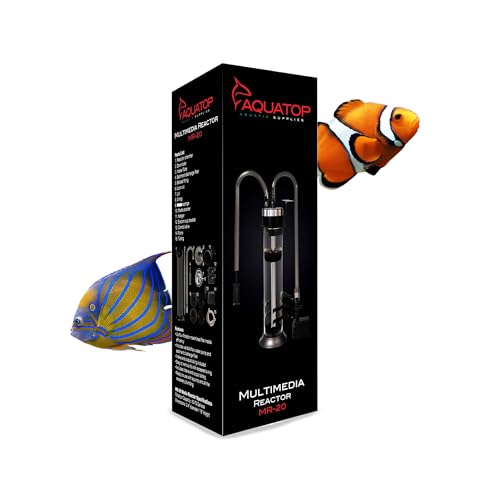
Best for compact setups or beginners who want an all-in-one solution. This unit uses an up-flow filtration design to maximize media exposure and is compatible with phosphate sponges, carbon, and resin-based media. It includes AQUATOP’s SWP-230 submersible pump, providing a steady, clean flow and reduced maintenance. The acrylic housing with a recessed O-ring lid lets you change media quickly. Caution: ensure the flow rate remains within recommended ranges to avoid media channeling and inefficiency. Best for: smaller tanks or users seeking easy integration in a sump or hang-on configuration.
AQUATOP MR-30 Media Reactor

Best for medium-to-large systems that need robust filtration and higher media capacity. The MR-30 uses an up-flow design to maximize media contact and works well with carbon, phosphate sponges, and resins. It comes with the SWP-360 submersible pump for stable water movement. The acrylic chamber with a recessed O-ring lid allows quick media changes. Caution: larger setups may require careful plumbing planning to maintain optimal flow. Best for: reef setups or mixed tanks in need of stronger filtration performance.
AquaReady Sigma-1 Media Reactor

Best for easy media changes and compact installs. The Sigma-1 features a detachable media canister that unlocks from the docking base, keeping the pump and cord stationary. It uses an up-flow design for maximum contact time and supports carbon, GFO, or other preferred media. It runs with a low power draw, using about 2.8 watts. Caution: detachable design may require more frequent checks to ensure the canister remains properly sealed during maintenance. Best for: hobbyists prioritizing quick media swaps and minimal power use.
TL Reefs Fluidized Media Reactor

Best for tanks up to 150 gallons seeking gentle, even media contact. This model supports GFO, carbon, biopellets, and more with an upflow design that fluidizes media for efficient filtration. It offers a tight lid and precise seams to ensure watertight operation. It includes 1/2″ threaded fittings for straightforward plumbing and customization for different setups. Caution: internal or external mounting options require secure installation to prevent leaks. Best for: experienced users who want a versatile reactor that can adapt to multiple media types.
Buying Guide
What size should I pick? Consider tank volume and filtration needs. Larger tanks may require MR-30 or TL Reefs units, while smaller tanks can be well served by MR-20 or Sigma-1 reactors.
What media will I use? If using PhosBan or GFO, ensure the reactor supports the specific media’s physical requirements and flow needs. Detachable canisters can aid maintenance when media changes are frequent.
How important is flow control? Up-flow designs maximize contact time but require careful flow tuning to avoid media channeling or abrasion. Look for reactors with adjustable flow or an included pump that maintains steady, predictable movement.
What installation setup is best? Sump-mounted units work well for larger systems, while hang-on back or compact models suit space-constrained setups. Verify compatibility with existing pumps and plumbing fittings (1/2″ or similar) before purchase.
Maintenance considerations: detachable canisters and easily accessible media chambers reduce maintenance time. Regular media replacement or cleaning extends filtration effectiveness and reduces nutrient peaks.
FAQ
- What is the main purpose of a phosphate reactor with pump?
To remove dissolved phosphates and other nutrients from aquarium water by passing it through media designed to bind or neutralize these compounds. - Which reactor is best for a 75-gallon reef tank?
AQUATOP MR-30 or Two Little Fishies ATLPBR150 typically suit mid-to-large tanks, depending on desired media capacity and flow. - Do all reactors require an external pump?
Many include an integrated pump, but some models are designed to be used with an existing pump or external return pump. - What media types are common in these reactors?
Phosphate sponges, GFO, carbon, and resin-based media are common options for nutrient removal and water polishing. - How often should media be replaced?
Replacement frequency depends on tank load and media type; follow manufacturer guidelines and monitor phosphate levels to determine timing. - Is maintenance more convenient with detachable canisters?
Yes, detachable canisters simplify cleaning and media changes while keeping pumps stationary in the system.