Maintaining stable pH levels is essential for the health of fish and the overall balance of a home aquarium. This article highlights reliable pH testing and adjustment tools, helping you choose kits and solutions that fit freshwater setups, with practical tips for consistent water quality.
Summary of selected products:
| Product | Brand | Key Use | Includes |
|---|---|---|---|
| API pH Test & Adjuster Kit | API | Testing and adjusting pH | Testing solution, pH adjusters, color card, test tube |
| Tetra Correct pH Tablets | Tetra | Maintaining neutral pH | 8 tablets |
| API PROPER pH 7.0 Stabilizer | API | Stabilizing pH to neutral | Stabilizer container |
| API pH UP Freshwater Solution | API | Raising pH | 4-ounce bottle |
| API pH DOWN Freshwater Solution | API | Lowering pH | 4-ounce bottle |
API pH Test & Adjuster Kit 250-Test
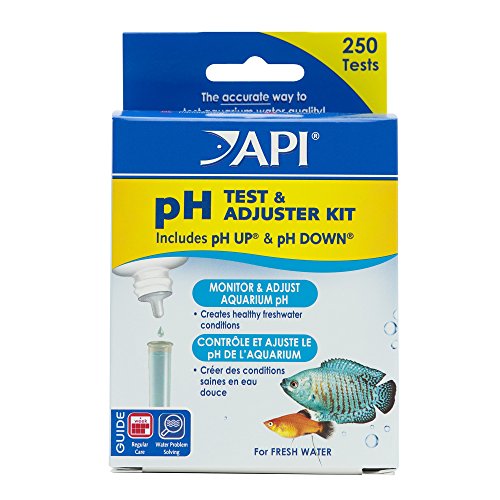
The API pH Test & Adjuster Kit provides a comprehensive way to both measure and regulate pH in freshwater aquariums. The kit includes testing solutions, pH up and pH down bottles, a color card, and a test tube with cap. It covers pH reading from 6.0 to 7.6, enabling precise monitoring and adjustments to keep fish healthy. This option supports ongoing pH management to avoid sudden shifts that stress aquatic life.
Tetra Correct pH Tablets

These tablets help maintain neutral pH in aquarium water, an essential factor for reducing fish stress and preserving color and vitality. They offer a simple, long-lasting approach to stabilizing pH for several weeks at a time, making routine maintenance straightforward for hobbyists. The tablets are designed to support a steady environment without requiring frequent dosing.
API PROPER pH 7.0 Stabilizer

The API PROPER pH 7.0 Stabilizer is designed to set and maintain a neutral pH in freshwater aquariums. By stabilizing pH, it helps reduce stress on fish and supports stable water chemistry. This product is especially suitable when tap water fluctuates or when you seek a consistent baseline for a growing community of fish and plants.
API pH UP Freshwater Solution
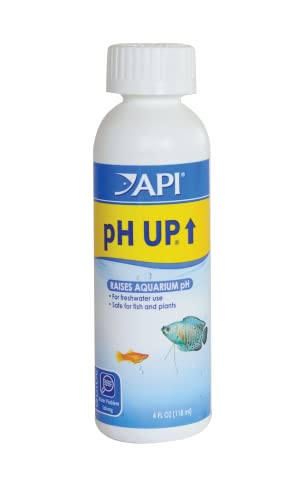
This pH up solution raises freshwater aquarium pH. It is formulated to adjust pH without promoting algal blooms and is safe for both plants and fish when used as directed. It provides a controlled method to lift acidity levels to meet the needs of specific fish species or plant setups that require higher pH.
API pH DOWN Freshwater Solution
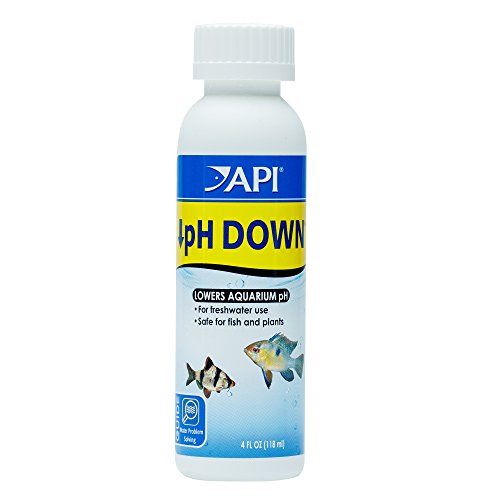
This pH down solution lowers freshwater aquarium pH with a phosphate-free formula, reducing the risk of algal blooms while remaining safe for plants and fish when used appropriately. It provides a dependable option for bringing pH into the optimal range for more sensitive species and community tanks alike.
Buying Guide: Key Considerations For Choosing a pH Tool Kit
- Scope of testing: Decide whether you need a simple pH measurement or an all-in-one kit that includes alkalinity, hardness, and ammonia readings. All-in-one kits can help monitor broader water chemistry trends that influence pH stability.
- Target pH range: Different fish species tolerate different pH ranges. Choose products that support the desired range for your tank inhabitants, and consider stabilizers for long-term maintenance.
- Ease of use: For beginners, kits with clear color charts and straightforward steps reduce user error. Some kits require multiple steps for accurate readings; factor in your patience and routine.
- Frequency of testing: Regular testing (e.g., twice weekly) helps detect drift early. Pick kits that align with your monitoring schedule and maintenance habits.
- Safety and compatibility: Ensure pH adjusters and stabilizers are phosphate-free or compatible with plant life and invertebrates. Read labels to avoid unintended chemical interactions.
- Cost per test: Compare the cost per test or per strip, especially for multi-parameter kits. Long-term costs matter for ongoing aquarium care.
- Storage and shelf life: Some solutions should be stored away from light and heat. Check expiration dates and storage requirements to maintain accuracy.
- Community needs: If you maintain a community tank, prioritize stability over drastic pH changes. Gradual adjustments reduce stress on fish and plants.