Choosing the right pebbles for a betta fish involves considering safety, size, and aesthetic appeal. This guide highlights five top picks that balance non-toxicity, durability, and visual appeal for small to medium betta setups. Each product suits different buyer needs, from beginner tanks to decorative bowls. Read on to find which option best fits your tank size, plant decor, and maintenance preferences. A quick buying table follows to compare core attributes at a glance.
| Product | Best For | Notes |
|---|---|---|
| YISZM 2lbs Natural River Rocks | Low-maintenance aquarium setups; natural look | Non-toxic; enhances drainage for plants |
| EZEELAI Colorful Agate | Colorful accents; long-lasting decor | Colorfast; requires cleaning before use |
| Keedolla Purple Glass Pebbles | Vase fillers and small tanks; subtle color | Lightweight; no dyes; small bag |
| Aqua Natural Betta World Diamond Black Quartz | Color enhancement; natural look | 100% natural; ethically sourced |
| FANTIAN 2 lbs Aquarium Gravel | Budget-friendly substrate; plant-friendly | Pea-size rocks; good drainage |
YISZM 2lbs Natural River Rocks

These natural aquarium gravel stones are non-toxic and free from fillers, dyes, or oils. They provide a safe decorative option for fish tanks, turtle tanks, and plant areas. The stones are polished to reduce sharp edges, supporting a safe environment for your betta’s fins. Best for: aquariums seeking a natural, understated substrate that won’t alter water chemistry. Limitation: color and texture are uniform, so dramatic contrast may require additional decor for visual impact.
Why it’s selected: The stones’ natural look complements bettas while aiding drainage for potted plants in nearby setups. They are suitable for focal rock features in larger tanks or as a subtle base layer in mixed substrates. They can also function as decorative landscaping in vivariums or terrariums, providing cross-use in hobby setups.
EZEELAI Colorful Agate Aquarium Gravel
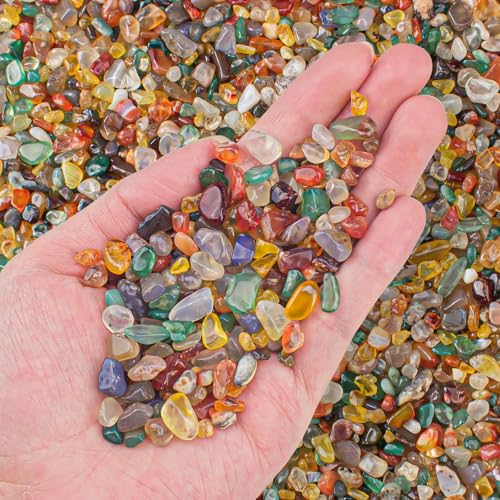
Colorful agate chips add vibrant accent color without dyes. Each chip is 5-7mm and made from natural agate crystals, chosen for long-lasting color. Use for decorative plant soil tops or as a highlight in any container garden or aquarium. Best for: decorative tanks or planters where color serves as a focal point. Limitation: agate requires periodic cleaning to maintain the color payoff, and it’s a small-bag option for smaller setups.
Why it’s selected: The stones’ natural color and durability keep a striking appearance in betta displays without fading. They also help reduce splashing around plant edges and add vitality to potted arrangements adjacent to tanks. This makes them a strong choice for mixed-use spaces where decor carries through from terrariums to aquariums.
Keedolla Glass Pebbles Purple

This batch features glass pebbles in purple hues, shaped into smooth, rounded beads for safe use with fish and plants. They’re non-toxic, fade-resistant, and easy to clean—rinsing is enough to refresh their appearance between water changes. Best for: small tanks or decorative bowls needing a clean, modern look. Limitation: glass stones can be heavier per piece than some plastics; consider depth and tank size to avoid overcrowding.
Why it’s selected: The frosted glass finish creates a contemporary aesthetic while remaining safe for bettas. The non-porous surface helps prevent algae buildup between cleanings, streamlining maintenance for busy hobbyists. This pick is ideal for creating color-blocked accents in minimalist setups.
Aqua Natural Betta World Diamond Black Quartz

This substrate is marketed as 100% natural and ethically sourced. The black quartz provides a bold contrast that can enhance betta color and tank lighting, while remaining inert for safe long-term use. Best for: tanks with dark backdrops or where high contrast is desired. Limitation: natural stones vary slightly in size and shape, which may affect uniform substrate depth in very small tanks.
Why it’s selected: The natural, unmodified composition reduces risk of chemical leachates and provides a durable base for plant roots and sand beds in mixed substrates. It’s a strong option for bettas that benefit from a visually striking environment without man-made dyes.
FANTIAN 2 lbs Aquarium Gravel

FANTIAN offers pea-size gravel designed to mimic natural substrates while improving drainage and aeration for plants. The 2-pound bag is a cost-effective option for budget-conscious buyers. Best for: small to medium tanks with decorative plant arrangements where soil moisture control is important. Limitation: packaging notes the stones arrive damp, so drying before use may be preferred to minimize soil moisture transfer to furniture.
Why it’s selected: The small, smooth pebbles help prevent root rot and cushion root systems in potted plants adjacent to aquariums. This choice is especially useful for beginners seeking an affordable substrate that still supports plant health and a neat, natural look inside the tank.
Buying Guide
What should I consider when choosing betta-safe pebbles?
Look for non-toxic, dye-free stones with smooth edges to protect fins. Inert materials are best to avoid altering water chemistry. Consider pebble size in relation to your tank volume and betta size to prevent ingestion or swallowing hazards.
Which pebble types provide the best plant support?
Granular gravels and small river rocks typically offer good drainage and root aeration. For terrarium-adjacent setups, chips and pebbles that stay visually stable without compacting soil work well.
Do color and texture affect bettas?
Color and texture can influence visibility and perch locations for bettas. High-contrast substrates can highlight fish color, while matte textures reduce glare during lighting conditions that stress the fish.
How should I prepare pebbles before adding to the tank?
Rinse stones thoroughly to remove dust and debris. If stones are porous or darker, consider a final rinse with dechlorinated water. Some users prefer to boil or soak stones briefly to sanitize before introduction.
What maintenance considerations exist?
Non-toxic stones require periodic cleaning to prevent algae buildup. Glass or sealed beads may show water spots more noticeably but are generally easier to wipe down. Regular substrate maintenance helps keep the tank visually appealing and healthy for your betta.
FAQ
- Are these pebbles safe for betta fish? Yes, the featured options are non-toxic and designed for aquarium use, with smooth edges to minimize fin injuries.
- Will colored pebbles affect water chemistry? Most natural stones are inert and should not affect pH or hardness significantly. Always rinse before use.
- What size is best for a typical betta tank? Pebbles around 1/4″ to 1/5″ work well in small to medium tanks, reducing the risk of ingestion and facilitating plant roots.
- Can I use these for vase fillers too? Some options are designed for vase decoration and terrariums; confirm the product’s intended use to avoid aquarium-safe incompatibilities.
- How often should I clean the substrate? Light cleaning every 2-4 weeks helps minimize algae and debris buildup without disturbing fish.
- Do any of these stones support plant health? Several picks improve drainage and reduce root rot in potted plants and terrariums adjacent to aquariums, helping maintain overall plant vitality.