Find the right nerite snails and related clean-up crew for your tank, whether you maintain a freshwater community setup or a saltwater reef system. Nerite snails are prized for their algae-eating efficiency, hardiness, and peaceful demeanor. This guide highlights five practical choices, explaining who each product is best for, potential limitations, and why they fit into reef or freshwater homes. The selections emphasize reliability, ease of care, and compatibility with common tank mates.
Summary of selected products
- Swimming Creatures Assorted Nerite Snails (6 Pack) – Freshwater
- Swimming Creatures Assorted Nerite Snails (3 Pack) – Freshwater
- Swimming Creatures Assorted Red-Racer Nerite Snail (3 count) – Freshwater
- Swimming Creatures 2 Zebra & 2 Tiger Nerite Snail – Freshwater
- Shore Aquatic Astrea Turbo Snails – Saltwater Cleanup Crew
Swimming Creatures Assorted Nerite Snails (6 Pack)

Best for: Beginners and community tanks in freshwater setups. These nerite snails are non-aggressive, helping maintain glass and substrate surfaces. They adapt to a variety of water conditions and require minimal care, making them a practical first choice for new aquarists and busy hobbyists alike.
Why selected: The six-pack format offers multiple individuals for even coverage across the tank, aiding uniform algae control and reducing the risk of one snail handling all surfaces alone. Their peaceful nature supports compatibility with a wide range of fish and invertebrates.
Caution: While hardy, ensure the tank has stable water parameters and appropriate acclimation to minimize stress during introduction.
Swimming Creatures Assorted Nerite Snails (3 Pack)
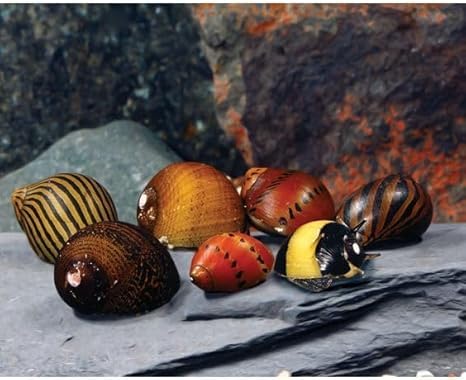
Best for: Small to mid-size freshwater tanks where DOA coverage is part of the purchase. These snails are compatible with most freshwater fish and tolerate a range of conditions, fitting well in community aquariums with careful acclimation.
Why selected: The listing notes DOA coverage and a clear acclimation window, providing a practical expectation for new keepers. They remain peaceable, assisting with algae control after acclimation when tank residents settle in.
Caution: Follow acclimation guidance and be aware that DOA verification requires timely contact per the vendor’s policy; monitor snail health during the first 48 hours.
Swimming Creatures Assorted Nerite Snails (3) Freshwater Live
Best for: Small community tanks where multiple snails ensure even algae coverage across glass and substrates. Also suitable for both beginner and experienced aquarists seeking reliable algae management.
Why selected: This listing reiterates peaceful behavior and easy care, making it a dependable option for hobbyists who want consistent algae reduction without aggressive tank dynamics.
Caution: Availability of DOA or health guidance should be followed as described by the seller to confirm live arrival and acclimation expectations.
Shore Aquatic Astrea Turbo Snails

Best for: Saltwater reef tanks and mixed saltwater systems seeking a robust cleanup crew. Turbos are efficient at grazing diatoms and unwanted film on rocks and glass, complementing reef health.
Why selected: These snails are reef-safe and popular for maintaining coral-friendly tanks, helping reduce nuisance growths. They are a practical choice for established reef aquariums needing a dependable herbivore presence.
Caution: They require stable reef parameters and calcium availability for shell health; overly aggressive temperature shifts can impact survival.
Golden Mystery Snail

Best for: Freshwater tanks needing a versatile algae eater and scavenger among mixed communities. Mystery snails can aid in cleanup while adding a distinct shell form to the tank presence.
Why selected: Mystery snails are easy to care for and tolerate a wide range of freshwater conditions. They will consume various foods, including algae wafers and plant matter, contributing to overall tank hygiene.
Caution: Mystery snails have a different appetite and behavior profile than nerites; ensure compatibility with tank mates and avoid overcrowding in smaller aquariums.
Swimming Creatures Red-Racer Nerite Snail

Best for: Planted or community freshwater tanks seeking visually striking nerite patterns. Red-Racer snails add color variation while performing algae control and biofilm grazing.
Why selected: Distinctive shell patterns and hardy nature make these snails appealing for hobbyists who want both function and visual interest in their aquarium. They pair well with other peaceful species.
Caution: Temperature and pH ranges should be kept stable; unusual shifts can affect acclimation and shell health.
Swimming Creatures 2 Zebra & 2 Tiger Nerite Snail

Best for: Mid-sized freshwater tanks that benefit from diverse shell patterns and robust algae cleaning. The mix of Zebra and Tiger nerites provides variety while maintaining peace with tank mates.
Why selected: The combination of two shell patterns adds visual interest, and nerites are known for reliable algae grazing and low-maintenance care. They suit tanks with mixed snail populations as a partial cleanup crew.
Caution: Ensure proper acclimation and avoid exposing snails to extreme conditions during shipping or acclimation periods.
Buying Guide
What should I look for when choosing nerite snails for my tank?
- Tank type: Freshwater nerites are best for freshwater community tanks; saltwater nerites and related snails suit reef or marine tanks. Confirm compatibility with your water type before purchase.
- Size and shell pattern: Consider the size of your tank and whether you prefer single-color snails or patterned shells for visual variety.
- Care level: Nerites are generally hardy, but acclimation and stable water parameters help. Check packaging for acclimation guidelines and any DOA policies.
- Feeding and diet: Nerites graze on biofilm and algae; supplement with appropriate foods if needed, especially in newly set up tanks.
- Tank mates: Choose peaceful, non-predatory companions. Avoid mixing aggressive fish that may harass snails.
Planned stocking strategies
- For beginners: 6-pack freshwater nerites or 3-pack options to establish robust algae reduction across the tank.
- For reef aficionados: include a reliable saltwater cleanup crew like turbo snails to target diatoms and film on coral rocks, while complementing nerites in a separate freshwater system or in a dedicated reef tank with compatibility checks.
- For visual variety: Select snail packs with distinct shell patterns (e.g., Zebra, Tiger, Red-Racer) to enhance the aquarium’s aesthetic while maintaining ecological balance.
Maintenance and care reminders
- Acclimate slowly to reduce stress and prevent shock during transitions between environments.
- Keep water parameters stable; frequent pH and temperature swings can impact snail health and shell integrity.
- Provide ample hiding spaces and avoid overcrowding to limit stress and territorial disputes among tank residents.
- Monitor snail activity and shell condition; remove any individuals that appear lethargic or damaged to prevent negative impacts on the tank.
FAQ
- Q: Are nerite snails suitable for reef tanks? A: Nerite snails can be part of reef ecosystems in appropriate blends of salinity and temperature; ensure species compatibility and consider saltwater-specific options for reef tanks.
- Q: How many nerite snails should I start with? A: For smaller tanks, 3–6 snails often provide effective algae control without overcrowding; larger tanks may require more.
- Q: Do nerite snails reproduce in freshwater? A: Nerite snails do not lay readily in freshwater and rely on marine conditions for reproduction, which helps prevent population explosion in home tanks.
- Q: What is the best way to acclimate nerite snails? A: Use a gradual acclimation method, monitoring water parameters and allowing time for the snails to adjust to your tank’s temperature and chemistry.
- Q: Are there any common health signs to watch for? A: Healthy nerites show steady movement, firm operculum, and intact shells. Odors, shell cracking, or inactivity can indicate stress or illness.
- Q: Do these snails need to be fed separately? A: Nerites typically graze on biofilm and algae; supplemental feeding is optional but can support health in lean algae conditions.