When choosing aquarium filter media, the right choice depends on your tank size, water type, and the organisms you keep. This guide highlights top media that balance mechanical, biological, and chemical filtration to keep water clear and healthy. The selections below cover both freshwater and saltwater setups, from small home tanks to larger canisters. Ideal buyers include hobbyists seeking easy-to-cut pads, technicians needing robust bio-media, and casual caregivers looking to improve water clarity quickly.
| Product | Media Type | Best For | Why It Stands Out | Limitations |
|---|---|---|---|---|
| MAQIHAN Aquarium Filter Pad | ||||
| ALEGI Aquarium Sponge Filter Pad | ||||
| Fluval BioMax Biological Material Remover | ||||
| Seachem Purigen | ||||
| Aquatic Experts Classic Bonded Filter Pad |
MAQIHAN Aquarium Filter Pad
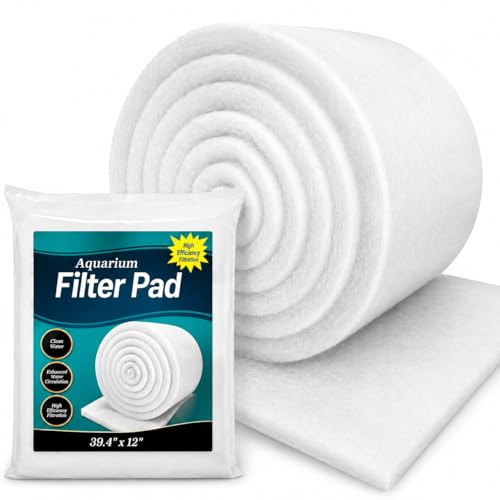
Best for: Small to medium freshwater and saltwater tanks, ponds, or turtle habitats requiring effective mechanical filtration and polishing. This pad uses high-density fiber to remove impurities while maintaining water flow. It can be cut to fit the exact dimensions of your filter, reducing waste and improving filtration efficiency.
Why chosen: The combination of high-density material, cut-to-fit flexibility, and polishing capability makes it a strong overall choice for various aquariums. The pad supports clearer water by trapping sediment and organics without restricting flow.
Caution: Frequent handling or cutting can generate small fibers. Rinse before first use to minimize particulates in the water. Replace when it shows significant wear or compression.
ALEGI Aquarium Sponge Filter Pad

Best for: Tanks needing strong mechanical filtration with easy installation. The foam sponge medium traps particles while supporting stable water flow, suitable for hobbyists who want a long-lasting, cut-to-size filtration option.
Why chosen: Its high-density sponge provides reliable filtration and durability. Easy to tailor to your filter dimensions makes it a practical upgrade for many canister or internal filters.
Caution: Over time, sponges may harbor biofilm; rinse or replace to restore filtration efficiency. Avoid using harsh cleaners that could leave residues in the tank.
Fluval BioMax Biological Media
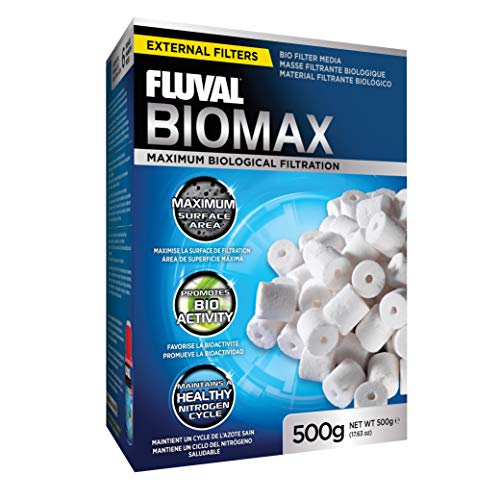
Best for: Established biological filtration in Fluval canister filter systems. It supports stable nitrification by providing a porous surface for beneficial bacteria to colonize.
Why chosen: BioMax media is specifically designed to maximize contact time between water and beneficial bacteria, aiding in ammonia and nitrate control in compatible Fluval filters.
Caution: Only use as directed within Fluval systems to avoid suboptimal filtration or flow issues. Do not mix with non-compatible media without understanding compatibility implications.
Fluval Carbon Filter Media
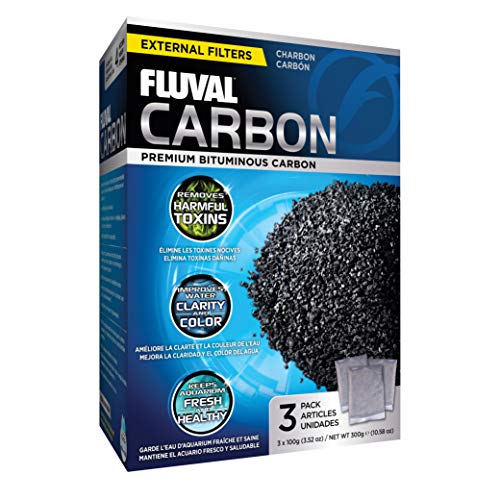
Best for: Tanks needing odor control and color removal; works well after media changes or when introducing new livestock. Carbon aids in chemical filtration by adsorbing impurities from water.
Why chosen: Premium carbon media improves water clarity and removes odors. Use carefully when medications are in the tank, and remove before long-term plant growth or treatment steps.
Caution: Carbon should be replaced regularly to maintain effectiveness; avoid leaving carbon in place indefinitely as its adsorption capacity declines over time.
Segarty Filter Media 12 in 1

Best for: Builders seeking a diverse set of media for multi-stage filtration in sump, canister, or canister-style setups. The kit includes ceramic rings, carbon, zeolite, and more for varied filtration needs.
Why chosen: The variety provides a complete filtration approach, enabling a single purchase to supply multiple stages of filtration with easy mesh bag storage. It suits tanks needing robust, multi-faceted filtration.
Caution: Rinse media before use to remove dust; activate carbon separately to preserve filtration effectiveness. Ensure compatibility with your filter’s dimensions and flow rate.
Sukh Ceramic Rings Kit
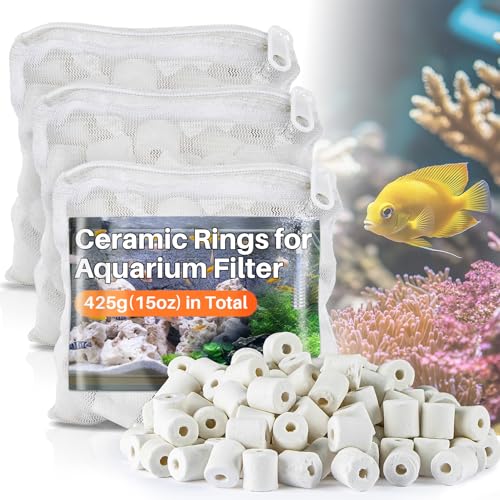
Best for: Tanks requiring robust biological filtration with a focus on stable water quality in both freshwater and saltwater setups. The ceramic rings promote beneficial bacterial growth.
Why chosen: The medium’s porous design enhances biological filtration by increasing contact area for bacteria, supporting clearer water and healthier ecosystems over time.
Caution: Ensure proper placement to avoid channeling; rinse thoroughly before first use to remove debris. Avoid overloading filters beyond recommended media capacity.
Buying Guide: Key Considerations For Aquarium Media
What filtration goals do you have—mechanical clarity, biological stability, or chemical odor/color removal? Start by assessing tank size, inhabitants, and weekly maintenance routines. For mechanical filtration, choose dense media that can be cut to fit, such as filter pads or sponges. For biological filtration, prioritize media with high porosity and surface area, like ceramic rings or bio-balls. For chemical filtration, consider activated carbon or Purigen, keeping in mind regeneration needs and medication implications.
How do you balance multiple media in a filter? Use a staged approach: mechanical filtration first to remove debris, followed by biological media for bacteria colonization, and chemical media for impurities or odors if needed. Be mindful of flow, as overly dense media can restrict water movement and reduce filtration efficiency.
Are there compatibility considerations? Some media are designed for specific filter brands (such as Fluval or canister systems). Always verify fit and flow compatibility before purchase. Replacement frequency varies; plan for periodic maintenance rather than one-off installs.
What maintenance routines help maximize performance? Rinse mechanical media in tank water during water changes to preserve beneficial bacteria. Clean bio-media according to manufacturer guidelines, avoiding harsh chemicals. Replace exhausted media promptly to maintain filtration efficacy and water quality.
FAQ
- What filter media is best for a new freshwater tank?
Start with a mechanical medium for debris removal, add a biological medium for bacteria, and consider a chemical media if odors or discoloration occur.
- How often should filter media be replaced?
Mechanical media may need monthly or quarterly replacement depending on waste levels; biological media lasts longer but should be cleaned regularly; chemical media should be replaced when exhausted.
- Can I mix media types in one filter?
Yes, but maintain order: mechanical first, biological second, chemical last to maximize effectiveness and avoid clogging.
- Is Purigen reusable?
Yes, Purigen is regenerable. Follow product guidelines to restore its adsorption capacity after saturation.
- Which media is best for odor control?
Activated carbon and Purigen are common choices for odor reduction, but monitor for medications compatibility.
- Do I need media from the same brand as my filter?
No, but ensure compatibility with your filter type and model. Some media are brand-specific while others are universal.