For serious aquarium hobbyists, maintaining pristine water is essential. Master test kits streamline monitoring of key parameters, helping prevent hidden issues that can stress or harm fish. Below is a curated guide to the top five master test kits that cover freshwater, saltwater, reefs, and essential water chemistry tests. Each option offers reliable results, ease of use, and comprehensive parameter coverage.
| Product | Parameters Covered | Recommended For |
|---|---|---|
| API Freshwater Master Test Kit 800-Test | pH, High Range pH, Ammonia, Nitrite, Nitrate | Freshwater tanks, beginners to advanced |
| API Saltwater Master Test Kit 550-Test | High Range pH, Ammonia, Nitrite, Nitrate | Saltwater tanks and reef setups |
| API Reef Master Test Kit | Calcium, Alkalinity (KH), Phosphate, Nitrate | Reef aquariums |
| API GH & KH Test Kit | General Hardness (GH), Carbonate Hardness (KH) | Freshwater tanks needing carbonate balance |
| API 5-In-1 Test Strips | pH, Nitrite, Nitrate, Carbonate Hardness, General Hardness | Quick, ongoing monitoring for mixed setups |
API Freshwater Master Test Kit 800-Test

The API Freshwater Master Test Kit is designed to monitor the five most vital water parameters in freshwater aquariums: pH, high range pH, ammonia, nitrite, and nitrate. The kit includes seven testing solution bottles, a color card, and four testing tubes with caps. It helps detect invisible water problems that may cause fish stress or loss, providing a comprehensive baseline for ongoing maintenance. This kit is suitable for a wide range of freshwater setups, from community tanks to species-specific environments. The inclusion of a broad test slate makes it a versatile choice for hobbyists who want an all-in-one solution.
API Saltwater Master Test Kit 550-Test
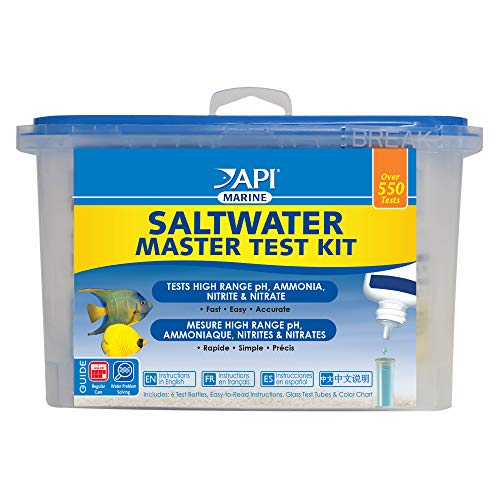
Designed for marine and reef environments, the API Saltwater Master Test Kit tests four essential parameters: high range pH, ammonia, nitrite, and nitrate. The kit includes six bottles of testing solutions, a color card, and four test tubes with caps. It is intended to help prevent invisible water problems that can harm fish and invertebrates, offering a reliable way to track water quality in seawater systems. This kit is well-suited for hobbyists managing mixed coral and fish communities that require stable chemistry.
11 in 1 – Aquarium Test Strips

This 11-in-1 test strip kit provides a broad spectrum quick-check for both freshwater and saltwater tanks. It includes strips that test pH, ammonia, iron, chlorine, total hardness (GH), carbonate hardness (KH), nitrate, nitrite, total alkalinity, copper, and temperature with color charts for easy interpretation. It’s a versatile option for hobbyists who want to monitor a wide range of water quality indicators without multiple bottle-based tests. While strips offer speed, results may be less precise than liquid tests, so periodic cross-checks with a master kit are recommended for accuracy.
API Reef Master Test Kit
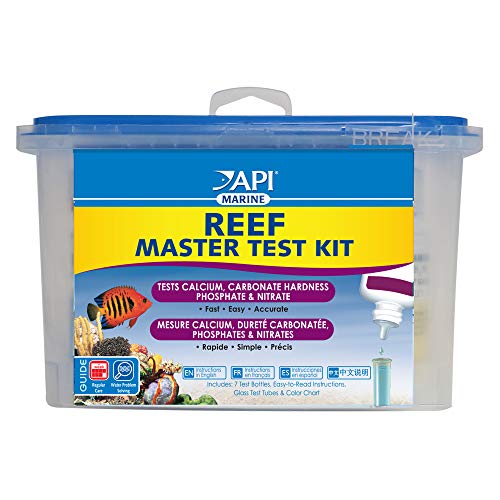
The Reef Master Test Kit focuses on four critical reef parameters: calcium, carbonate hardness (KH), phosphate, and nitrate. It includes seven bottles of testing solutions, two color cards, and four test tubes with caps. This kit is specifically designed to support reef aquariums by tracking the elements that influence coral growth and skeletal development. Regular testing helps maintain calcium balance and phosphate/nitrate levels that can affect coral health and algae control. It is a targeted option for reef enthusiasts prioritizing stability in calcium and alkalinity.
API GH & KH Test Kit

This kit measures General Hardness (GH) and Carbonate Hardness (KH), two essential parameters for freshwater aquariums where carbonate buffering and mineral balance influence pH stability. The package includes two bottles of testing solution and two test tubes with caps. Regular GH and KH checks help prevent shifts that could stress fish or destabilize plant growth, making it a practical choice for tanks with varying mineral content or high bio-loads. It complements other master kits by focusing on the carbonate buffering system.
AAwipes 8-in-1 Aquarium Test Kit
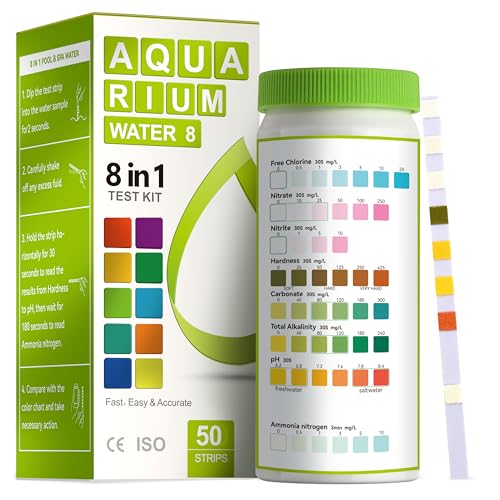
While not a traditional master kit, this 8-in-1 strip-based kit covers key metrics—pH, ammonia, nitrite, nitrate, alkalinity, hardness, chlorine, and copper—making it a versatile option for quick checks in both freshwater and pond environments. It’s designed for ease of use with color charts and rapid results. The kit is suitable for hobbyists who want a broad monitoring tool that can adapt to various tank sizes and bioloads, though users should verify compatibility with their specific water chemistry and supplement with liquid tests for precision when needed.
Buying Guide: Mastering Aquarium Water Quality
Choosing the right master test kit depends on your tank type, maintenance routine, and level of precision required. Consider the following factors to make an informed choice:
- Tank type and inhabitants: Freshwater, saltwater, or reef setups each emphasize different parameters. Reef tanks typically require calcium and alkalinity tracking, while freshwater tanks require ammonia and nitrite monitoring for safety.
- Test method: Liquid test kits tend to be more precise than test strips. If you want quick checks or have many tanks, strips offer convenience but should be cross-checked periodically with a liquid kit.
- Parameter coverage: A master kit that covers pH, ammonia, nitrite, and nitrate is essential for most beginners. For reef aquariums, prioritize calcium and KH; for general health, GH can matter for mineral balance.
- Sample handling and ease of use: Look for clear color cards, stable bottles, and straightforward tube handling to reduce user error.
- Maintenance frequency: Smaller, more frequent tests help catch problems early. A kit with more solution bottles may suit users who test weekly or multiple tanks.
- Cost and replacement parts: Availability of replacement reagents and long shelf life can impact ongoing costs and accessibility.
In practice, many hobbyists start with a freshwater master kit and a reef-focused kit to cover both general health and coral needs. Periodic cross-checks with high-precision tests, especially when diagnosing subtle issues, improve reliability and confidence in water management decisions.