Answering the buyer’s search, these marine aquarium live sand options prioritize biological filtration, pH stability, and reef-friendly substrates. This guide highlights sand that supports coral growth, hosts beneficial bacteria, and minimizes detritus buildup. It’s ideal for reef hobbyists, beginners starting a new tank, and established aquarists seeking dependable substrate for marine, reef, or cichlid setups.
| Product | Brand | Why It’s Right For You |
|---|---|---|
| Arag-Alive Bimini Pink Special Grade Reef Sand | Carib Sea | Best for reef tanks needing coral attachment and water stability with bacteria-enabled filtration. |
| Arag-Alive Bahamas Oolite Aquarium Sand | Carib Sea | Great for pH balance in marine setups; authentic reef-inspired substrate. |
| Arag-Alive Substrate Special Grade Reef Sand | Carib Sea | Versatile for marine and African cichlids; supports robust biological filtration. |
| ACS00050 Aragonite Reef Sand | Carib Sea | High-pH buffering and aragonite composition for stable marine and hard-water tanks. |
| Aqua Natural Oolitic Aragonite Sand | Aqua Natural | High-calcium carbonate content and sustainable sourcing; ideal for reef and marine tanks. |
CaribSea Arag-Alive Bimini Pink Special Grade Reef Sand

Best for reef aquariums that aim to foster coral attachment and natural filtration. This special-grade aragonite sand supports a thriving reef environment by providing a stable substrate and a foundation for beneficial bacteria. It’s particularly suitable for tanks where coral growth and stable water chemistry are priorities. A limitation is that pink coloration may slightly influence light scattering in some setups, so lighting should be adjusted accordingly.
Caribsea Arag-Alive Bahamas Oolite Aquarium Sand

Better for aquariums requiring authentic reef-like buffering, with pH balance support and natural filtration. The oolite composition helps maintain stable conditions without frequent chemical dosing. Choose this if your goal is a commercial-reef aesthetic with reliable alkalinity buffering. A potential drawback is that it may have slightly varied grain sizes by batch, so some care is needed during substrate setup.
Carib Sea Arag-Alive Substrate Special Grade Reef Sand

Best for mix-and-match setups, including marine and African cichlid tanks, because it contains millions of beneficial bacteria to enhance biological filtration. It’s a versatile choice for users who want a single substrate to support diverse aquatic communities. A limitation is that it’s labeled for multiple uses; ensure it aligns with your primary tank type to avoid overpredicting performance in a strict reef system.
Carib Sea ACS00050 Aragonite Reef Sand
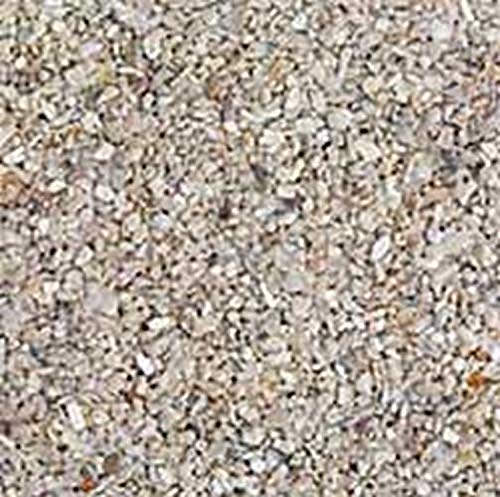
Best for marine aquariums seeking high-pH buffering and stable alkalinity. The aragonite sand supports a healthy buffering capacity and reduces detritus buildup due to grain size and composition. It’s suitable for both marine and hard-water freshwater tanks. A limit is that larger bag sizes may require more careful mixing during tank setup to avoid layering.
Aqua Natural Oolitic Aragonite Sand
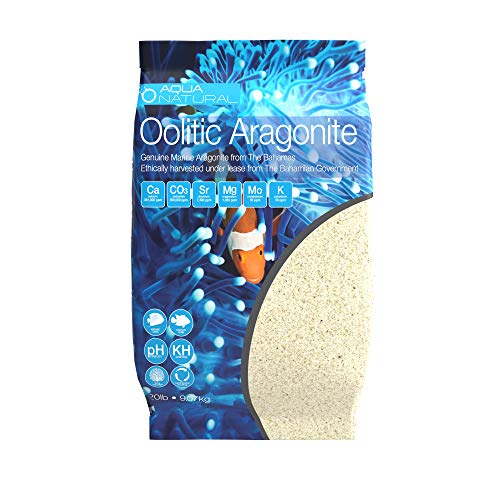
Best for reef and marine tanks needing a high-calcium, pure aragonite substrate. It offers unsurpassed buffering and a steady pH around 8.2, with 98% calcium carbonate content. The sand is sustainably sourced and minimizes impurities. A consideration is that natural aragonite can influence water hardness; users should monitor alkalinity and calcium levels as the tank matures.
Buying Guide: Key Purchase Considerations
- Substrate purpose: For coral growth and biological filtration, prioritize Arag-Alive or aragonite-based sands with bacteria content.
- Grain size and flow: Finely washed sands reduce detritus buildup but may blow around; choose a medium grain for stability in mixed reef tanks.
- pH buffering: Aragonite-based sands help stabilize pH and hardness; compatible with marine and hard-water freshwater setups.
- Bacteria presence: Live or bacteria-enhanced sands offer faster biological filtration and more stable ammonia processing.
- Tank type alignment: Select reef-focused sand for corals, and versatile substrates for mixed communities like cichlids if you cross-keep.
- Color and appearance: Pink, Bahamas oolite, and natural aragonite tones affect lighting and aesthetics; plan lighting around substrate color for best visuals.
- Maintenance: Pre-washed and kiln-dried options minimize suspended particulates; plan for regular substrate vacuuming to prevent detritus buildup.
FAQ
- What is live sand best for in a marine tank?
It provides beneficial bacteria that help establish and maintain the nitrogen cycle, promoting a healthy aquarium ecosystem. - Should I choose aragonite sand over regular sand?
Yes, aragonite sands buffer pH and support calcium carbonate levels, which are important for reef organisms. - Can I use live sand in a freshwater tank?
Some products are marketed as versatile, but they’re primarily designed for marine or brackish systems; verify compatibility with your freshwater setup. - Is pink or brown sand better for coral growth?
The color does not determine performance; material composition and grain size influence coral attachment and water chemistry more. - How much sand do I need for a 20-gallon tank?
A typical depth of 1–2 inches requires about 20–25 pounds of sand, depending on grain size and tank footprint. - Will live sand replace all filtration?
It complements filtration but does not replace mechanical or biological filtration systems; maintain a proper filter setup.