Choosing the right live sand substrate can influence buffering, bioactivity, and the overall health of a saltwater aquarium. This guide highlights five highly regarded substrates designed for reef, marine, and mixed tanks, focusing on buffering, bioload support, and safe composition. Each option offers distinct advantages for pH stability, nitrification, and aesthetic appeal.
Summary Of Chosen Products
| Product | Key Benefit | Size | Brand |
|---|---|---|---|
| Aqua Natural Oolitic Aragonite | Excellent buffering, pure calcium carbonate | 10 lb | Aqua Natural |
| Aqua Natural Oolitic Aragonite | High buffering, reef-appropriate aragonite | 20 lb | Aqua Natural |
| Aqua Natural Galaxy Sand Bio-Substrate | Bio-active nitrifying bacteria seed | 5 lb | Aqua Natural |
| CaribSea Super Naturals Sand Tan | Natural look, fish-friendly grain | 10 lb | Carib Sea |
| CLASSIC SAND & PLAY Natural Aquarium Sand | Pre-washed, clean filtration compatibility | 20 lb | CLASSIC SAND & PLAY |
Aqua Natural Oolitic Aragonite 10lb Aquarium Sand

Aqua Natural Oolitic Aragonite 10lb provides stable buffering to help maintain a stable pH around 8.2, a key parameter for saltwater systems. Composed of 98% pure calcium carbonate, this sand minimizes impurities that could affect water chemistry. Its oolitic aragonite composition is sourced from a sustainable, renewable supply, making it a practical choice for reef and marine aquariums seeking a consistent substrate that supports coral and other invertebrates.
Aqua Natural Oolitic Aragonite 20lb Aquarium Sand for Reef, Saltwater and Marine Tanks
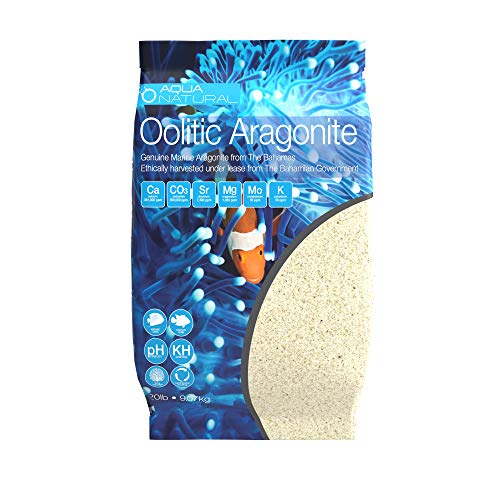
This larger 20-pound bag continues Aqua Natural’s focus on buffering and purity. The oolitic aragonite substrate is well-suited for reef setups where stable pH and calcium carbonate presence support coral growth and beneficial bacteria. The sustainable sourcing aligns with hobbyists seeking environmentally mindful substrates for long-term tank stability.
Aqua Natural Galaxy Sand Bio-Substrate 5lb

Aqua Natural Galaxy Sand is seeded with bio-active nitrifying bacteria, designed to kick-start the nitrogen cycle and help establish a healthy biofilter. It can be used as a primary substrate or blended with other sands to speed up stabilization after setup. This substrate emphasizes rapid biological establishment without relying solely on chemical additives.
Aqua Natural Sugar White Sand Bio-Substrate 5lb

Seeded with bio-active nitrifying bacteria, this sugar white sand is ideal for cycling a new aquarium quickly. It can serve as the main substrate or be mixed with other sands to balance aesthetics with biological readiness. The bio-substrate approach reduces startup time for a healthy established tank.
CaribSea Super Naturals Sand Tan 10lb

CaribSea Super Naturals Sand Tan mimics natural freshwater riverbeds with a neutral tan hue, enhancing the look of plants and fish. The fine, fish-safe texture is gentle on bottom dwellers and supports a stable microhabitat. It also helps maintain water balance and contributes to a consistent environment in freshwater and mixed setups, with visual compatibility for saltwater displays as well.
CLASSIC SAND & PLAY Natural Aquarium Sand 20 lb

Classic Sand & Play Natural Aquarium Sand is a versatile option designed for both freshwater and saltwater tanks. Pre-washed and kiln-dried, it minimizes impurities and helps keep water pristine. The fine sand texture supports a clean filtration process and offers a natural backdrop for colorful fish, live plants, and decorative elements. It’s a reliable choice for hobbyists seeking a balanced substrate at a reasonable size for larger tanks as well.
Buying Guide: Key Considerations For Live Sand Substrates
- Buffering and pH stability: Reef and marine setups benefit from aragonite-based sands that buffer pH toward 8.2 and supply calcium carbonate for corals and invertebrates. Consider aragonite for long-term chemical resilience.
- Particle size and texture: Fine to medium grains are generally safest for bottom-dwelling species and filters. Very fine sands may compact, while coarser grains can trap debris; choose based on your tank inhabitants and filtration.
- Purity and impurities: Look for sands with minimal metals, dyes, or additives. Purity reduces the risk of water parameter fluctuations and unwanted toxins in sensitive reef ecosystems.
- Biological readiness: Substrates seeded with nitrifying bacteria or designed as bio-substrates can accelerate cycling and biofilter development, shortening the time to a stable aquarium.
- Aesthetic considerations: Sand color and tone influence the visual focus of the tank and complement rockwork, corals, and fish coloration. Tan, white, or natural hues are popular choices for marine displays.
- Environmental impact: Opt for sands sourced from sustainable or renewable sources when possible. This aligns with responsible hobby practices and reduces ecological strain.
- Compatibility with filtration: Some sands are pre-washed and designed to work with various filter media. Ensure compatibility with your filter setup to maintain clarity and chemistry.
- Tank size and dosing needs: Larger tanks may benefit from bigger substrate volumes and diversified grain sizes. Consider your maintenance routine and whether you’ll supplement with calcium or nitrifying bacteria.
Comparing The Substrates
- Aragonite sands (Aqua Natural 10lb, 20lb) provide robust buffering and calcium carbonate supply, ideal for reef and marine environments.
- Bio-substrates seeded with nitrifying bacteria (Aqua Natural Galaxy Sand 5lb, Aqua Natural Sugar White Sand 5lb) prioritize rapid biological cycling.
- Natural tan substrates (CaribSea Super Naturals 10lb) offer a visually appealing, fish-friendly option that supports a natural-looking habitat.
- Pre-washed fine sands (Classic Sand & Play 20lb) emphasize filtration compatibility and cleanliness, suitable for diverse tank types.
Additional Considerations
When selecting live sand, match the substrate to your tank’s inhabitants, along with your filtration and maintenance routines. For reef setups, prioritize aragonite-based substrates for buffering and coral compatibility. If you are cycling a new tank, substrates seeded with bacteria can reduce the time to a stable nitrogen cycle. For aesthetic goals, consider how sand color and texture will blend with rockwork and corals. Always rinse new substrates if recommended by the manufacturer to minimize initial cloudiness and potential minor parameters shifts.
Buying Guide Summary
- Goal alignment: Reef support vs. general marine use. Reef setups benefit most from aragonite-based sands with buffering.
- Biological readiness: Seeded bio-substrates can speed cycling; determine if you want immediate microbial presence.
- Maintenance impact: Consider how substrate will affect cleaning routines and filter performance.
- Size and scale: Larger tanks may require more substrate and a mix of grain sizes to prevent compaction.
- Source ethics: Prefer sands from sustainable, renewable sources when possible.