Here’s a buyer-focused guide to the best live sand options for saltwater and reef aquariums. These substrates support stable pH, promote beneficial biological activity, and help create natural-looking habitats. This selection targets reef hobbyists, new marine setups, and tanks needing reliable buffering. The following five products stand out for buffering capacity, purity, and natural aragonite composition. Use the quick comparison table below to choose the best option for your tank size and species.
| Product | Brand | Key Benefit |
|---|---|---|
| Aqua Natural Oolitic Aragonite 10lb | Aqua Natural | Strong buffering; stable pH around 8.2 |
| Aqua Natural Oolitic Aragonite 20lb | Aqua Natural | Same buffering, larger quantity for bigger tanks |
| Carib Sea Arag-Alive Substrate Special Grade Reef Sand, 10 lb | Carib Sea | Includes beneficial bacteria for faster biological filtration |
| CaribSea Ocean Direct Natural Live Sand – 20 lb | Carib Sea | Natural Caribbean aragonite, Sea Breathe technology |
| Carib Sea Fiji Pink Reef Sand – 15 lb | Carib Sea | Pure aragonite blend, helps maintain pH balance |
| CaribSea Arag-Alive Bimini Pink Special Grade Reef Sand – 20 lbs | Carib Sea | Ideal for coral growth and natural filtration |
| AquaNatural Coarse Aragonite 20lb | Aqua Natural | 8.2 pH buffering, renewable aragonite |
Aqua Natural Oolitic Aragonite 10lb Aquarium Sand

Best for: Small-to-medium reef and marine setups needing stable pH and high-purity calcium carbonate. This oolitic aragonite sand offers excellent buffering, helping to maintain an alkaline environment ideal for many reef species.
Why selected: It provides predictable pH stabilization around 8.2 with 98% calcium carbonate. The oolitic aragonite form supports natural gas exchange and a visually appealing substrate. Best for hobbyists seeking a clean, impurity-free base.
Caution: As with all aragonite sands, filtration and water movement influence its effectiveness; ensure adequate turnover to maximize buffering benefits.
Aqua Natural Oolitic Aragonite 20lb Aquarium Sand
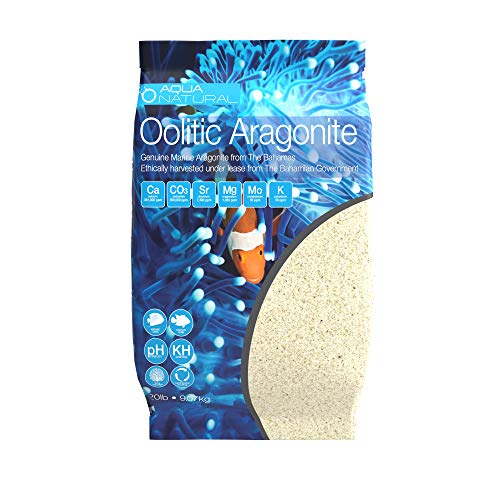
Best for: Larger reef and marine tanks requiring more substrate volume while preserving water chemistry. The 20-pound option supports broader tank footprints with fewer replenishments.
Why selected: Identical buffering and purity benefits as the 10lb version, but at greater quantity for economies of scale. A good fit for multi-species systems that demand stable pH and calcium availability.
Limitation: Heavier bags may be less convenient to move; plan substrate layering and rinsing during setup to minimize cloudiness.
Carib Sea Arag-Alive Substrate Special Grade Reef Sand, 10 lb

Best for: New reef setups and hobbyists seeking an established microbial foundation for rapid biological filtration. The included beneficial bacteria help establish a healthy nitrogen cycle sooner.
Why selected: Besides being aragonite-based, it brings persistent biological activity that supports reef bioload and is suitable for many freshwater aquaria as well. A strong choice when quick stabilization matters.
Caution: May require more thorough rinsing before initial use to remove surface dust from the bag stock.
CaribSea Ocean Direct Natural Live Sand – 20 lb
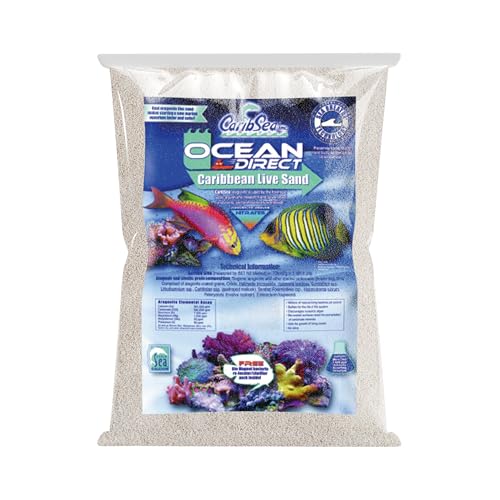
Best for: Saltwater tanks seeking a natural Caribbean aragonite substrate with good gas exchange. The Sea Breathe technology supports stable conditions with less chemical adjustment.
Why selected: The natural look and Caribbean origin align with reef aesthetics and compatible wildlife. Quick setup support reduces the break-in period for new tanks.
Limitation: Like other live sands, effects depend on tank flow and stocking; avoid overly high bioload during initial setup to prevent clouding.
CaribSea Fiji Pink Reef Sand – 15 lb

Best for: Reef aquariums requiring a delicate, pinkish natural tone with stable pH properties. Suits display-focused tanks with live corals and invertebrates.
Why selected: Premium aragonite blend with no impurities supports sensitive marine species. The smooth texture enhances burrowing comfort and tank aesthetics.
Limitation: The pink hue may influence substrate color perception in certain lighting setups; consider contrast with coral and rock work.
CaribSea Arag-Alive Bimini Pink Special Grade Reef Sand – 20 lbs

Best for: Marine and reef tanks that benefit from coral growth support and natural filtration. The Bimini Pink variant complements tropical reef aesthetics.
Why selected: It emphasizes coral attachment and water stability, aiding a thriving habitat for reef-building organisms. Provides a natural look with beneficial filtration properties.
Caution: Like other live-sand options, proper acclimation and gradual stocking are recommended to avoid initial cloudiness or ammonia spikes.
AquaNatural Coarse Aragonite 20lb

Best for: Larger reef systems that need a robust, coarse substrate with reliable buffering and sustainable sourcing.
Why selected: Features unsuprassed buffering capacity and 98% pure calcium carbonate, with a renewable aragonite source. Suitable for tanks that demand stable chemistry over time.
Limitation: Coarser grain may affect burrowing species differently; check your kit’s compatibility with substrate texture.
Buying Guide: Substrate Essentials for Saltwater Aquariums
What makes a live sand substrate effective in a reef tank? Key factors include buffering capacity, grain size, purity, and biological activity. Aragonite sands are favored for their natural calcium carbonate content and compatibility with coral and invertebrates. When selecting, consider tank size, stocking level, and whether you want immediate biological filtration or a long-term, stable chemical balance.
- Buffering and pH stability: Look for products advertising pH around 8.2 and high calcium carbonate content.
- Grain size: Fine sands look natural but can cloud during setup; coarser sands can be better for burrowing species.
- Biological seeding: Some sands include beneficial bacteria to accelerate filtration; this is useful for new tanks.
- Purity and impurities: Impurity-free sands reduce the risk of contaminants affecting coral health.
- Source and sustainability: Sustainable oolitic aragonite from renewable sources supports long-term aquaria hobbyism.
Frequently Asked Questions
- What is live sand and why is it used in saltwater tanks?
- Which sand is best for maintaining a stable pH?
- Should I rinse live sand before adding it to my tank?
- Can I use any sand for a reef tank?
- How much substrate do I need for a reef tank?
- Do all live sands require the same setup time?
Live sand contains live bacteria and microfauna that help establish the biological filtration essential for natural reef ecosystems.
Aragonite sands with high calcium carbonate content are typically best for buffering and maintaining stable pH around 8.2.
Yes. Rinse gently to remove fine dust and prevent clouding, then add gradually to minimize disruption to filtration.
It’s best to use aragonite-based sands designed for marine use, as they support buffering and do not introduce harmful impurities.
The needed amount depends on tank size, preferred aesthetic, and whether you are starting fresh or upgrading an existing bed.
Yes, setup time varies by tank but many substrates aim to reduce break-in periods with ready-to-seed bacteria or natural buffering.