Creating a lush, natural underwater landscape starts with the right live plants. This guide highlights five reliable options that suit a range of skill levels and tank sizes. Each selection offers resilience, visual appeal, and easy care, helping you establish a healthy, balanced aquarium ecosystem for fish, invertebrates, and algae control alike.
| Product | Brand | Key Benefit |
|---|---|---|
| Live Freshwater Aquarium Plants – 5 Assorted Bundle Rooted for Fish Tanks – (Grower’s Choice) Beginner Friendly | Surmen Legacy | Easy, beginner-friendly variety to establish a natural habitat |
| Amazon Sword – Echinodorus Bleheri x3 Plants – Live Aquarium Plant | Water Plants | Hardy background plant with tall growth for coverage |
| Florida 10 Species Live Aquarium Plants Bundle | AquaLeaf Aquatics | Diverse species, suited for mid to large tanks |
| Live Freshwater Aquarium Plants – 5 Assorted Potted for Fish Tanks – (Grower’s Choice) Beginner Friendly | Surmen Legacy | Color variety (green, red, purple) for visual depth |
| SubstrateSource Anubias Live Aquarium Plants – Potted Freshwater Plant | SubstrateSource | Low light, hardy, versatile placement options |
Live Freshwater Plants Bundle — Rooted (Grower’s Choice)

The assortment is designed for beginners, with rooted plants that establish quickly in most freshwater setups. The bundle typically includes multiple easy-to-care-for species, enabling a natural biotope with varied textures and colors. Regular trimming helps maintain light access for lower-growing plants and prevents shading of foreground species. This option suits small-to-medium tanks seeking a lush look without complex maintenance.
Key considerations:
– Suitable for first-time plant keepers
– Provides immediate greenery and structure
– Expect ongoing maintenance to manage growth and light distribution
Amazon Sword (Echinodorus Bleheri) — Trio

Amazon Sword is a classic mid-to-background plant that creates a natural backdrop in many community tanks. Bleheri, known for its robustness, can reach a substantial size in well-lit conditions, and it thrives in a range of water parameters. It benefits from a nutritious substrate and regular pruning to avoid shading lower plants. This species is well-suited for beginners and experienced aquarists alike who want a striking vertical element.
Key considerations:
– Great for backgrounds or mid-tank focal points
– Requires occasional pruning to keep light available for other plants
– Performs well in modest to bright lighting
Florida 10 Species Live Plants Bundle
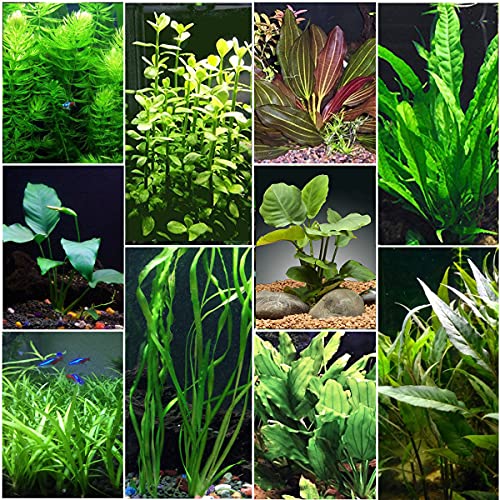
This bundle emphasizes variety, including multiple stems and a mix of growth forms, which helps create a dynamic aquascape across 10+ gallon tanks or larger. Some species may still be transitioning from emersed to aquatic form during shipping, so acclimation time is normal. Expect a spectrum of greens and hues that can complement fish coloration and tank décor. Regular monitoring of water conditions supports established growth.
Key considerations:
– Great for larger tanks with diverse needs
– Some species may require light adaptation after shipping
– Aims for a natural, densely planted appearance
Aquarium Plants Package — Grower’s Choice

This curated mix focuses on overall health, color variety, and high visual impact. Plants arrive with multiple stems and are selected for hardiness and growth potential. While not labeled for each species, the interpreted assortment supports a balanced aquascape by providing foreground, midground, and background elements. Ideal for hobbyists seeking a ready-to-arrange setup with minimal preparations.
Key considerations:
– Easy to arrange in mixed, multi-layer layouts
– Plants arrive healthy but may require simple acclimation
– Suits a variety of tank sizes and themes
SubstrateSource Anubias Nana — Potted

Anubias Nana is a compact, hardy plant tolerant of low to moderate light, making it a staple for beginners and low-tech tanks. It’s known for its thick rhizomes and glossy leaves, which can thrive while attached to décor or driftwood. This plant can fill midground to background spaces and is forgiving of less-than-optimal substrate, provided the rhizome remains above the substrate. Regular removal of old leaves keeps growth tidy.
Key considerations:
– Excellent for low-light setups
– Flexible placement; can attach to décor
– Very durable and slow-growing, reducing maintenance frequency
Buying Guide: Key Purchase Considerations For Live Aquarium Plants
- Tank size and layout: Choose plants that fit your tank’s dimensions and intended landscape—foreground plants should stay short, midground plants fill space, and background plants provide height and coverage.
- Lighting requirements: Light intensity and duration impact growth rate and plant health. Low-light species thrive in shaded areas, while high-light species may require CO2 supplementation to prevent algae growth.
- Substrate and water parameters: Nutrient-rich substrates support root feeders, while some plants tolerate lean substrates. Regularly test water pH, hardness, and temperature to match plant needs with the tank inhabitants.
- Growth form and pruning: Fast-growing species fill space quickly but need regular trimming. Slow growers offer stability and require less maintenance but may need pruning to prevent shading.
- Shipping and acclimation: Live plants may arrive emersed or with a mix of forms. Allow time for acclimation to fully submerged conditions, and monitor for signs of stress.
- Compatibility with livestock: Ensure plant choices do not release toxins or hamper the feeding or swimming space of your fish and invertebrates.
- Maintenance and care: Establish a routine for trimming, substrate cleaning around plant roots, and keeping floating debris under control to maximize light exposure.
- Weather considerations: For online purchases, consider winter and summer shipping risks and potential delays to prevent plant damage.
Overall, selecting a mix of rooted, potted, and hardy low-light species offers the best chance of success for a thriving aquarium landscape. Prioritize plants that align with your tank’s size, light, and maintenance willingness, and plan for gradual introduction and steady pruning to maintain a balanced ecosystem.