Looking for the best live floating aquarium plants to enhance water quality, aesthetics, and shrimp or betta health? This guide highlights five top options that are easy to care for, help absorb excess nutrients, and create natural shade and shelter at the water surface. Each choice is suited for different hobbyists—from beginners needing quick coverage to experienced aquarists seeking a diversified surface display. Below is a quick product table to compare essentials at a glance.
| Product | Best For | Key Benefit |
|---|---|---|
| Aquarigram 60+ Leaves Red Root Floaters | Balanced tanks needing nutrient uptake | High leaf count; red roots; live arrival guarantee |
| 60+ Leaves Water Spangles (Salvinia Minima) | Compact surface coverage | Dense green carpet; easy care |
| Floating Plant Bundle (Red Root Floaters, Salvinia, Giant Duckweed) | All-in-one floating plant kit | Three species for varied texture and filtration |
| Water Spangle (Salvinia Minima) – Aquarium Plant Center | Affordable, reliable cover | 60+ leaves; low to medium light suitability |
| Ultimate Floating Plant Bundle – Duckweed, Red Root Floaters, Salvinia | Natural bio-filtration with variety | High surface area; versatile growth |
Aquarigram 60+ Leaves Red Root Floaters

The Aquarigram Red Root Floaters are a floating plant with 60+ leaves, designed to boost nutrient uptake and support a healthier aquarium. Best for hobbyists who want rapid surface coverage and distinctive red roots that add color contrast to the tank. The product includes a live-arrival guarantee, indicating the seller’s commitment to healthy plants upon delivery. A potential limitation is variability in leaf size; buyers may receive a mix of leaf counts that differ from the second-plant reference photo.
60+ Leaves Water Spangles (Salvinia Minima)
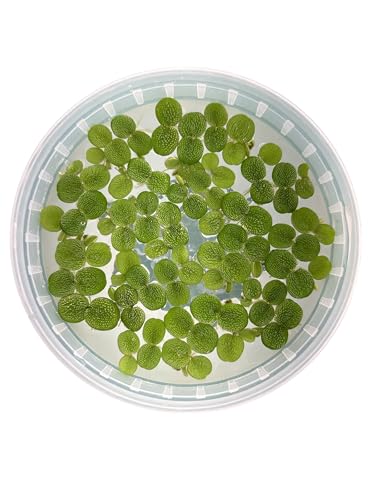
Water Spangles Salvinia Minima are compact surface-floating plants that form a dense green carpet. They thrive under medium to high lighting and require minimal maintenance, making them ideal for beginners and busy hobbyists. They offer aesthetic surface coverage and can provide shade to reduce algae growth. A caution is that Salvinia can spread quickly in favorable conditions, so tanks may need occasional thinning to prevent overgrowth.
Floating Plant Bundle (Red Root Floaters, Salvinia, Giant Duckweed)

This bundle combines three popular floating species: Red Root Floaters, Water Spangles (Salvinia), and Giant Duckweed. It’s ideal for buyers seeking a complete floating plant kit that enhances natural filtration by absorbing excess nutrients and ammonia. The trade-off is that Duckweed can rapidly multiply, potentially covering the surface entirely if not pruned, so routine maintenance is recommended to maintain desired light penetration.
Water Spangle, Salvinia Minima (12 Plants, 60+ Leaves)

Aquarium Plant Center offers a set of Water Spangles with 60+ leaves, designed to cover circular tank surfaces efficiently. It’s suited for low to medium light setups and is relatively low-demand in terms of maintenance. A potential downside is temperature sensitivity; shipments can be canceled if temperatures are extreme in the near term, so consider climate control or timing of purchase for fragile shipments.
Ultimate Floating Plant Bundle – Duckweed, Red Root Floaters, Salvinia

This bundle is crafted for the enthusiast seeking maximum surface coverage and filtration benefits. Duckweed serves as a powerful natural bio-filter, while Red Root Floaters and Salvinia provide texture and shade. The main consideration is that Duckweed can dominate quickly; regular thinning helps maintain gas exchange and light access for other plants and fish.
Buying Guide
What should you consider when choosing floating aquarium plants?
- Light requirements: Some species tolerate low light, while others perform best with medium to high light. Choose plants that match your setup’s lighting to avoid etiolation or slow growth.
- Surface coverage: If you want quick shading and nutrient uptake, select species known for dense mats (e.g., Salvinia or Duckweed). For varied texture, mix leaf shapes and sizes from multiple species.
- Maintenance: Floating plants often need periodic thinning to prevent overgrowth, which can restrict oxygen exchange and light to deeper inhabitants.
- Water quality benefits: Floating plants absorb ammonia and nitrates, contributing to a healthier tank. Consider your bioload and whether you need a natural filtration boost or just aesthetic balance.
- Temperature and compatibility: Ensure the chosen plants tolerate your tank’s temperature and won’t be outcompeted or consumed rapidly by residents.
- Delivery considerations: Some sellers note live-arrival guarantees or temperature restrictions. Plan purchases to minimize transit stress and consider local climate when ordering.
FAQ
- Are floating aquarium plants easy for beginners? Yes, many options like Salvinia and Duckweed are low-maintenance and fast-growing, making them beginner-friendly for surface shading and nutrient uptake.
- Do floating plants require soil? No. Floating plants grow on the water surface and do not require substrate, though some kits include soil-based companions for added variety on the surface.
- Will floating plants affect fish behavior? They provide cover and shade, which can reduce stress for shy species, but overly dense mats may limit light for deeper plants or algae growth control.
- Can floating plants help control algae? They can absorb nutrients that feed algae, potentially reducing blooms. Regular pruning helps maintain balance and light penetration.
- How often should I prune floating plants? Prune as needed to maintain desired surface coverage. Routine thinning supports gas exchange and access for other plants and fish.
- Do these plants arrive alive? Most listings mention a live-arrival guarantee or ship as live specimens. Inspect upon arrival and acclimate gradually if required by the seller.