Answering the question most buyers ask: which live algae eater fish is best for controlling algae in a typical freshwater tank? This guide highlights five reliable options, each suited to different setups and community plans. Ideal buyers include beginners seeking low-maintenance cleaners, hobbyists wanting active diversions, and those aiming to target specific algae types like black beard algae. The featured species offer natural algae control and visual interest. Use the comparison table below to quickly assess suitability before diving into in-depth product details.
| Product | Best For | Why It Stands Out |
|---|---|---|
| Aquaticheavens Siamese Algae Eater | Active tanks with nuisance algae | Voracious eater; tolerates community tanks; eats black beard algae |
| Neat&Tidy Chinese Algae Eater | Algae-focused eyes on tank balance | Classic algae eater with careful care needs; depends on tank setup |
| 25 Live Ghost Shrimp | Natural scavenging and tank cleanup | Transparent cleaners that remove leftover food and debris |
| Aquaticheavens Snow White Bristlenose | Pleco-style algae control with decorative color | Efficient algae control; requires driftwood and hiding spots |
| Golden Mystery Snail | Algae, detritus, and tank balance | Peaceful invertebrate that adds color and clean-up power |
Aquaticheavens Siamese Algae Eater Live Fish

The Siamese Algae Eater is an energetic, algae-eating species that helps manage a range of nuisance algaes in community tanks. Best for active tanks that accommodate its shoaling tendencies when young and its more social, congregating behavior as an adult. Data notes indicate it commonly feeds on stubborn algae types, including black beard algae. Best for larger, well-filtered tanks with ample swimming space. Caution: ensure compatible tank mates to avoid stressing or stressing the fish through aggression in tight spaces.
Neat&Tidy Chinese Algae Eater
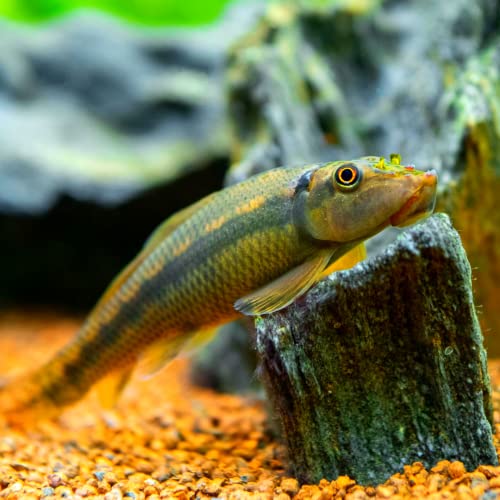
The Chinese Algae Eater is a freshwater fish with a mixed reputation and a place among practical algae-cleaners. This option is best for aquarists who want a dedicated algae eater but are prepared to manage variability in behavior. It is important to research tank mates and adult size, as aggressive tendencies can vary by individual and setup. Best for experienced hobbyists or medium-sized community tanks where the fish can have space to patrol the bottom and mid-level zones.
25 Live Ghost Shrimp

Ghost shrimp are transparent scavengers that actively forage for leftover foods and debris. They provide natural tank cleaning while adding movement and interest. Best for small to mid-sized community tanks or planted setups where their visibility is reduced at times, though they’re entertaining to watch as they explore. Caution: they may be delicate in very aggressive or heavily fin-nipped communities. They can also be prey for larger fish, so choose tank mates accordingly.
Snow White Bristlenose

The Snow White Bristlenose is a bright, algae-consuming pleco variant suited to peaceful community tanks. It benefits from driftwood, hiding spots, and moderate water flow. Best for hobbyists seeking a visually striking algae eater with reliable performance in the presence of compatible tank mates. Limitation: Plecos can produce more waste and require longer-term habitat features than smaller cleaners, so plan filtration and space accordingly.
Golden Mystery Snail

The Golden Mystery Snail offers a color accent in addition to algae-eating and detritus-cleaning capabilities. It is well suited for planted tanks and community setups where peaceful invertebrates are desired. Best for hobbyists who want a low-maintenance invertebrate with natural algae control and a decorative shell. Caution: snails can reproduce quickly under favorable conditions, so monitor population growth.
Buying Guide: Key Purchase Considerations
What size is your tank and what is the primary algae challenge? Some fish excel at nibbling black beard algae, while others are efficient at clearing routine film or leftover debris. Match the species to your tank’s bioload and space. Consider multi-species compatibility to prevent aggression and ensure adequate hiding spots and vertical space for active cleaners.
How to choose by tank setup
- Community tanks: Favor smaller, peaceful options like ghost shrimp or bristlenose plecos with plenty of driftwood.
- Planted tanks: Choose algae eaters that avoid uprooting plants and have gentle grazing behavior.
- Large tanks with fast-growing algae: A mix of active cleaners (like Siamese Algae Eater) plus resilient scavengers (ghost shrimp) can balance work and display.
Care considerations
- Water quality and temperature should align with species needs—many algae eaters tolerate a broad range but have preferred ranges.
- Proper feeding complements algae cleaning; avoid overfeeding that creates excess debris and ammonia spikes.
- Compatibility matters—avoid aggressive fish in the same tank that can harass cleaners or prey on shrimp and snails.
Maintenance and coexistence
- Provide hiding spots, driftwood, and plants to reduce stress for bottom-dwellers and nocturnal cleaners.
- Observe behavior during the first weeks to confirm peaceful coexistence and to adjust stocking levels.
- Plan for growth: some species increase in size and waste production as they mature; ensure filters and aeration keep up.
Frequently Asked Questions
- Are live algae eaters safe for beginners? Yes, many are adaptable, but some require careful tank-mate selection and space planning.
- Can algae eaters replace regular tank maintenance? They assist with cleaning but do not replace routine water changes and substrate cleaning.
- Which algae eater eats black beard algae? Siamese Algae Eater and some Plecos are known for tackling stubborn black beard in appropriate tanks.
- Do algae eaters need special tank setup? Some benefit from driftwood, specific hiding spots, or particular temperature ranges; check species-specific needs.
- Will algae eaters harm plants? Most are plant-tolerant, but plecos may uproot or disturb delicate plantings if not provided sufficient cover.
- How many algae eaters should I start with? Start with one or two and monitor bioload, space, and behavior before adding more.