Answering buyers seeking to outfit a larger freshwater aquarium, this guide highlights five reliable products that help you establish, test, and maintain a thriving tank. The selections emphasize stable water quality, safe conditioning, efficient filtration, and dependable heating—key areas for larger tanks. This overview is suited for hobbyists upgrading from small tanks or beginning ambitious setups in the 20–30 gallon range. Each product is explained for who it’s best for and why it was chosen, with practical cautions where applicable. A quick summary table follows, listing the five recommended items.
| Product | Why It’s Recommended | Best For |
|---|---|---|
| Aqueon Aquarium 20 Gallon Long | Sturdy glass, clean silicone edges, versatile for freshwater or marine use | New and seasoned hobbyists seeking a reliable starter/upgrade tank |
| API Freshwater Master Test Kit | Comprehensive testing for 5 vital freshwater parameters | Tank owners who want a complete water quality snapshot |
| API Quick Start Freshwater/Nitrifying Bacteria | Instantly introduces beneficial bacteria to start cycling | New tanks or after major water changes |
| Orlushy Submersible Aquarium Heater | Adjustable heat with real-time monitoring thermometer | Tanks needing reliable, customizable heating |
| AAwipes 8-in-1 Test Kit | 8 parameters in one kit with quick results | Ongoing routine testing for multi-parameter awareness |
Aqueon Aquarium 20 Gallon Long
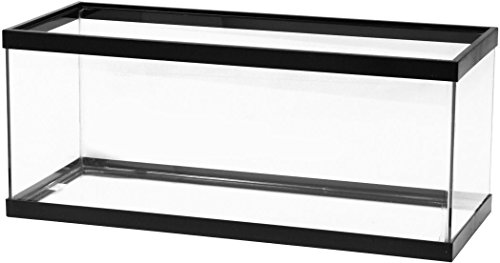
The Aqueon 20 Gallon Long provides a sturdy glass build with dimensions around 30.25″ x 12.5″ x 12.75″, making it a solid choice for moderate to larger freshwater setups. This tank supports freshwater and marine applications, depending on filtration and water chemistry. Clean silicone edges in select sizes offer a neat appearance and potential aesthetic versatility. Best for hobbyists upgrading from smaller tanks or establishing a spacious community or species-specific tank.
Best for: Those who want a reliable, mid-size tank with flexible use. Limitations: Larger tanks require appropriate filtration and equipment upgrades to maintain optimal water quality.
API Freshwater Master Test Kit

This kit helps monitor key freshwater parameters: pH (both standard and high range), ammonia, nitrite, and nitrate, plus 1 color card and 4 tubes with caps. It’s designed to prevent invisible problems that can harm fish and cause losses. By tracking five vital water parameters, owners can catch imbalances early and adjust daily maintenance accordingly. Best for: hobbyists who want a trusted, multi-parameter overview in one package.
Limitation: The kit covers core parameters, but ongoing testing may require additional items for deeper analysis in complex systems.
API Quick Start Freshwater and Saltwater Nitrifying Bacteria

This 16-ounce bottle offers an instant bacteria boost to jump-start the nitrogen cycle in new aquariums or after significant water changes. The product is positioned to reduce the time needed to establish a stable environment for fish by introducing beneficial nitrifying bacteria. Best for: new tanks or major water changes where quick cycle establishment is desired.
Caution: Do not rely solely on bacteria products; maintaining proper filtration, aeration, and water changes remains essential.
AAwipes 8-in-1 Aquarium Test Kit

This 8-in-1 kit tests pH, ammonia, alkalinity, hardness, chlorine, and more, offering up to 50 strips per package and clear color charts for quick interpretation. It’s designed for freshwater and pond environments and aims to help prevent unseen water quality issues. Best for: hobbyists who want a compact, all-in-one testing solution for routine monitoring.
Limitation: Strip-based tests can sometimes be less precise than liquid tests; use frequent checks for consistent results.
Orlushy Submersible Aquarium Heater
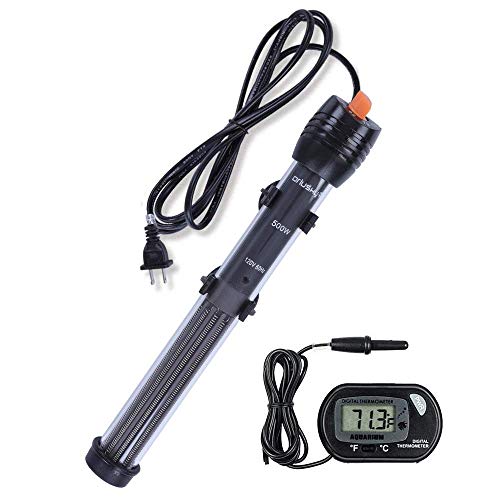
The Orlushy heater is adjustable and comes with a real-time thermometer. It’s designed to deliver stable heating for freshwater and marine setups, with a rugged outer shell and a nickel-chromium heating element for efficient performance. Best for: tanks needing reliable, adjustable temperature control in a compact form. Caution: Ensure the wattage matches tank size to prevent overheating or insufficient warmth.
Buying Guide
Key purchase considerations for large freshwater tanks include tank size and compatibility, water quality management, heating and temperature stability, and ongoing maintenance planning. Consider the following questions to refine your choice:
- What is the tank’s ultimate stock level, and does it require higher filtration or more frequent water changes?
- How important is rapid cycling for your setup, and do you prefer bottled bacteria or natural maturation with time?
- Is precise temperature control essential for the chosen fish species or plants?
- Do you want an all-in-one testing solution, or would you prefer separate tests for deeper insights?
- What’s your budget for initial equipment versus ongoing consumables and replacement parts?
Practical approach: begin with a reliable tank (like the Aqueon 20 Gallon Long) to provide space, then pair it with a complete test kit (API Master) and a bacteria starter (API Quick Start) to help establish a healthy cycle. Add a dependable heater (Orlushy) and an easy-to-use test kit (AAwipes) for routine monitoring. Use the buying table above to compare strengths and limitations side by side.
FAQ
- What size tank is best for a large freshwater setup?
Typically 20–40 gallons works well for community setups or single-species displays, with more volume offering greater stability. - How often should I test water parameters in a new tank?
Test more frequently during the first 2–4 weeks, then maintain a routine—at least weekly or after major changes. - Is a bacterial starter necessary for cycling a new tank?
Not strictly necessary, but it can speed up the establishment of beneficial bacteria in new or recently cleaned systems. - Can I mix test kits from different brands?
Yes, but follow each kit’s instructions and aim for consistency in parameter tracking to avoid confusion. - What should I watch for with aquarium heaters?
Ensure correct wattage for tank size and place the heater where it can distribute warmth evenly; monitor temperature regularly.