For aquarists seeking pristine, pest-free greenery, vitro-grown aquarium plants offer reliable, sterile beginnings that reduce tank pests and algae. This article highlights five top in vitro options designed to create natural, emerald foreground carpets in freshwater tanks. Each selection features lab-grown stock, easy integration, and species known for rapid, visually striking growth in aquascapes. Explore the options, compare their traits, and learn how to optimize care for a thriving carpet effect.
| Product | Brand | Key Features |
|---|---|---|
| Dwarf Hairgrass Eleocharis Parvula Tissue Culture Vitro Grown Freshwater Aquarium Live Plant for Fish Tank Carpet Decoration | Generic | Pest-free, nutrient-rich gel medium, ideal foreground carpet in both large and small tanks |
| Tissue Culture Live Aquarium Plants | in Vitro Freshwater Aquatic Plants for Small Aquariums and Foreground (Dwarf Pennywort) | AquaLeaf Aquatics | In vitro culture, rinse and plant, safe for fish and invertebrates, natural habitat creation |
| Ultum Nature Systems Mini Dwarf Hair Grass Eleocharis Parvulus Tissue Culture Live Plant for Aquarium | Ultum Nature Systems | Grass-like lawn under optimal conditions, horizontal runners, medium to high light, Co2 recommended |
| Tissue Culture Live Aquarium Plants | in Vitro Freshwater Aquatic Plants for Small Aquariums and Foreground (Staurogyne Repens) | AquaLeaf Aquatics | Sterile tissue culture, safe for aquatic life, versatile foreground plant |
| Ultum Nature Systems Dwarf Baby Tears Hemianthus Callitrichoides Cuba Tissue Culture Live Plant | Ultum Nature Systems | Compact foreground plant, suitable for emersed or submerged setups, requires adequate lighting and nutrients |
| Ultum Nature Systems Pearl Weed Micranthemum Micranthemoides Tissue Culture Live Plant | Ultum Nature Systems | Zero pests, safe for shrimp, ideal for lush foreground to midground transitions |
| Dwarf Hairgrass – Eleocharis acicularis – in-vitro – Live Aquarium Plant | AquaPlants | Low-growing, forms runners, good for dense foreground mass |
Dwarf Hairgrass Eleocharis Parvula Tissue Culture
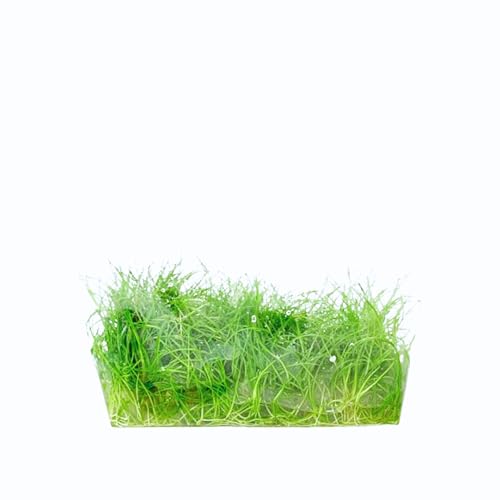
Dwarf Hairgrass Parvula is a compact, foreground carpet plant commonly used to create a bright green lawn in tanks. In vitro production ensures a pest-free start, reducing risks of hitchhikers or contaminants. The plant is cultivated in nutrient gels that support early growth, helping young specimens establish quickly. When added to an appropriately lit aquarium, Parvula spreads via runners to form a soft, even carpet that welcomes small fish and invertebrates.
Tissue Culture Dwarf Pennywort (Stems) Foreground Plant

AquaLeaf Aquatics’ Dwarf Pennywort is produced in vitro and shipped clean, with minimal handling needed. After rinsing, you can divide the plant and arrange it to suit your tank layout. This species is versatile for foreground or midground placement and is safe for fish and invertebrates, contributing to a natural habitat and hiding spots within the aquarium.
Ultum Mini Dwarf Hair Grass Eleocharis Parvulus

This Ultum Nature Systems variant of Dwarf Hair Grass Parvulus is praised for forming a lawn-like carpet under suitable lighting. It spreads horizontally through runners and forms a lush, verdant foreground. Growth requires medium to high lighting, a consistent fertilization routine, and often CO2 supplementation, especially in larger or heavily stocked tanks.
Ultum Dwarf Baby Tears Cuba (Hemianthus Callitrichoides Cuba)

Growth of Dwarf Baby Tears produces a striking, tiny-leaf carpet ideal for aquascape focal points. The plant tolerates submerged growth and is possible in emersed setups. It requires medium to high lighting and a steady nutrient supply, with CO2 recommended for dense, thriving growth. Initial planting can be challenging due to small roots, but results are a dramatic, lush carpet in the foreground.
Ultum Pearl Weed Micranthemum Micranthemoides

Pearl Weed provides a flexible foreground-to-midground option that creates dense, lush coverage. This tissue-cultured plant is safe for shrimp and sensitive fish when grown in sterile conditions. Under proper lighting and nutrition, it forms a compact, bright green carpet that complements other foreground species.
Dwarf Hairgrass Eleocharis Acicularis In-Vitro

This Dwarf Hairgrass variant offers a low-growing, grass-like carpet with dense runners. It is particularly effective as a foreground option in both small and large tanks, helping to create a vivid lawn effect with careful spacing and regular maintenance.
Buying Guide: Key Purchase Considerations for In Vitro Aquarium Plants
When selecting in vitro plants for a carpet effect, consider species compatibility with your tank setup, lighting, and nutrient availability. Foreground species generally require higher light and steady fertilization, and many thrive with carbon dioxide supplementation for rapid growth. Lent to beginners, some options may be trickier to establish due to delicate rooting or very small initial size. Always rinse or quarantine tissue culture stock to reduce any residual gel or debris before planting.
- Lighting and CO2: Assess whether your aquarium lighting is sufficient for carpet-forming species. In many cases, medium to high light and CO2 supplementation yield the best results.
- Nutrient schedule: Plan a regular fertilization routine, especially for frequent growth spurts in new carpets. The substrate type also influences nutrient delivery.
- Substrate and placement: Foreground plants should be planted in a way that encourages even coverage. Plant in small clusters or close rows to form a cohesive carpet.
- In vitro safety: Vacuuming tank debris gently after introduction helps maintain sterile stock and reduces the risk of pests or algae.
- Species selection: Choose a mix of low and moderate maintenance plants to achieve varied textures and balance in the aquascape.
How to Create a Lush Foreground Carpet
Start with a clean substrate and a gentle initial planting plan. Space small clumps evenly to promote uniform growth. Maintain consistent water parameters and monitor for signs of nutrient deficiency or algae. Gentle trimming helps maintain a compact carpet while encouraging new growth. Over time, the carpet serves as an attractive base for fish and invertebrates, enhancing both aesthetics and biodiversity in the tank.