Gravel siphons are a simple, effective way to perform partial water changes and clean leftover debris in freshwater tanks. This guide highlights top picks that suit different tank sizes, substrates, and user preferences. Best for beginners: ready-to-use kits with simple operation. Best for large tanks: longer hoses and sturdy design. Best for small nano tanks: compact, low-flow options. The following choices are selected for reliability, practical features, and ease of use across common home aquariums.
Summary table of chosen products:
| Product | Best For | Notable Feature |
|---|---|---|
| Tetra Water Cleaner Gravel Siphon | Small to medium tanks | Simple, effective gravel cleaning; suited for up to 55 gallons |
| Laifoo 5ft Siphon Vacuum | Medium tanks, easy handling | Long 5 ft hose; durable, anti-kink design |
| QZQ Aquarium Gravel Cleaner | All-in-one cleaning and water change | Multi-function with filtration and safety design |
| SEAOURA 3-in-1 Gravel Cleaner | Small nano tanks, multi-task cleaning | 3-in-1 functions; no electricity, quiet operation |
| AQUANEAT Aquarium Vacuum Siphon | Hands-on water changes | Simple hand-pump operation; safe for fish |
Tetra Water Cleaner Gravel Siphon
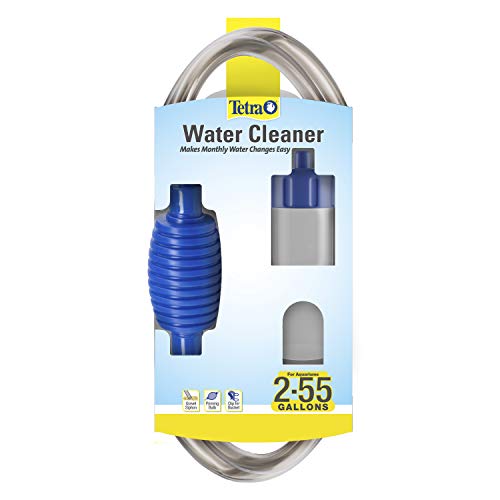
Best for small to medium freshwater tanks, this gravel siphon is designed to simplify routine maintenance. It supports aquariums up to 55 gallons and is geared toward easy monthly water changes. Ideal for hobbyists seeking a quick water change workflow without complex setup.
Who it’s best for: beginners or busy hobbyists who want a straightforward, no-fruss option for regular 30% water changes every 30 days. Limitation: may require priming if the tank water level is very low.
Laifoo 5ft-S Aquarium Siphon Vacuum Cleaner

Best for mid-sized tanks needing a longer reach, this Laifoo model offers a 5-foot hose with durable, kink-resistant construction. It includes a sinkable gravel tube with a detachable filter screen to protect fish and decor during suction.
Who it’s best for: aquarists who want a longer hose and reliable siphon action without disturbing fish. Caution: ensure the filter screen is clean to prevent clogging during use.
Laifoo 5ft Aquarium Siphon Vacuum Cleaner (Alternate Listing)
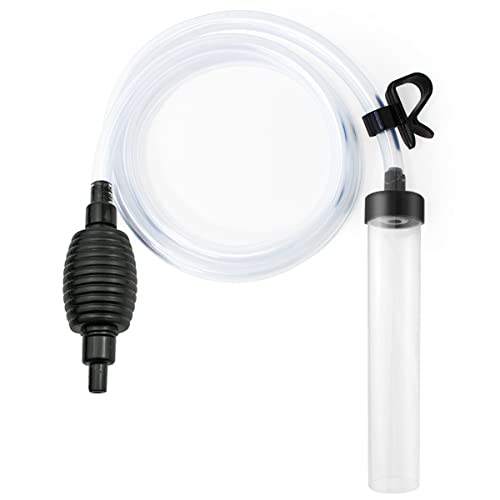
This listing mirrors a 5-foot hose setup with similar features: easy control, anti-kink hose, and a sinkable gravel tube with a detachable filter screen. Better for those who want a second option with the same practical design consideration for smaller or mid-size tanks.
Who it’s best for: users needing a dependable mid-length siphon with minimal maintenance. Limitation: identical to another Laifoo model; evaluate price and availability before purchase.
QZQ Aquarium Gravel Cleaner 2026 Edition
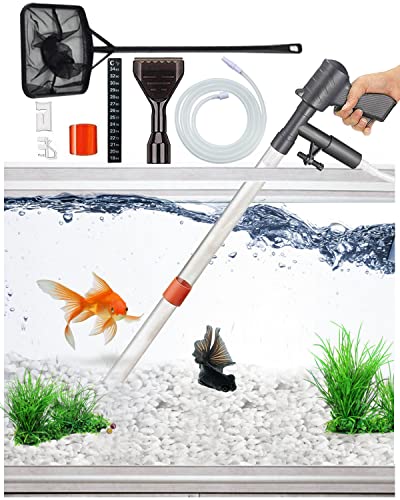
Best for all-in-one cleaning and water-changing tasks, this kit uses a siphon design with safety features. It includes a filter net to prevent small fish and gravel from being drawn out and emphasizes easy installation and manual operation without electricity.
Who it’s best for: those who want a compact, multi-functional tool that handles gravel cleaning, water changes, and debris removal. Caution: may require several priming squeezes to start flow in deeper tanks.
SEAOURA 3-in-1 Gravel Cleaner

Best for nano tanks or small setups, SEAOURA provides three essential functions: gravel washing, stain scraping, and waste suction. It uses built-in dual airbags and a manual press design, avoiding electricity and heavy noise while cleaning sand and gravel.
Who it’s best for: keepers of small tanks who value quiet operation and a compact, 3-in-1 tool. Limitation: designed primarily for smaller volumes; performance may vary in larger aquariums.
AQUANEAT Aquarium Vacuum Siphon

Best for hands-on water changes in small to medium tanks, this AquaNeat model uses a simple hand pump to start the flow. It ensures a filter screen to protect fish and is well-suited for smaller species like bettas or guppies.
Who it’s best for: aquarists who prefer a straightforward hand-pump system with visible flow control. Caution: ensure the water is warmer than the air to prevent condensation issues on the hose in some setups.
Buying Guide
What tank size should guide your choice?
For nano to small tanks, choose compact siphons with shorter hoses and minimal assembly. For larger tanks (over 30 gallons), consider models with longer hoses (5 ft or more) and sturdier construction to maintain consistent suction.
What features improve reliability?
- Detachable filter screens to prevent fish and substrate from clogging the intake.
- Non-kink, clear hoses to monitor flow and avoid blockages.
- Built-in safety features that reduce the risk of drawing out too much substrate.
Is a 3-in-1 tool worth it?
Multi-function tools can save time by combining gravel cleaning, debris removal, and water changes. They are especially useful in tight tanks but ensure the design does not compromise the suction power or clogging resistance.
How important is ease of priming?
Tools that start flow with simple squeezes or manual pumping are ideal for beginners, reducing frustration when starting a water change. Look for straight-forward priming instructions and minimal maintenance.
What maintenance steps ensure longevity?
- Rinse filters and screens regularly to prevent buildup.
- Keep hoses clean and free of algae to maintain suction.
- Inspect seals and connectors for leaks after each use.
FAQ
What is a gravel siphon used for?
It removes dirty water, siphons out debris, and cleans the substrate during water changes.
Can these siphons be used in saltwater tanks?
Some models are suitable for saltwater use; check product notes for compatibility with saltwater and reef environments.
Do I need batteries or electricity?
Most are manual and do not require electricity; some models may rely on siphon action powered by gravity or manual pumps.
Will siphons suck up fish or plants?
Quality models include filters or screens to prevent small fish and decorations from being removed.
How often should I perform water changes?
General guidance suggests monthly 20–30% water changes, but it depends on tank bioload and species needs.
Are longer hoses better?
Longer hoses reduce the need to reposition the siphon but can be harder to manage; choose a length that fits your tank and stand setup.