Does your saltwater tank need a substrate that stabilizes pH, supports beneficial bacteria, and looks natural? The best gravel options for saltwater aquariums are aragonite-based sands and coarse gravels that buffer pH toward a stable level and promote a healthy reef environment. This guide highlights five top picks, ideal for reef tanks, marine setups, and planted-focused saltwater systems. Each product page explains who it’s best for, key benefits, and a practical precaution to consider.
Product selections at a glance
| Product | Size | Best For | Why It Stands Out |
|---|---|---|---|
| Aqua Natural Oolitic Aragonite 10lb Aquarium Sand | 10 lb | Small tanks and nano reefs | Unsurpassed buffering; pH around 8.2; renewable aragonite; high calcium carbonate purity |
| Aqua Natural Oolitic Aragonite 20lb Aquarium Sand | 20 lb | Medium reef setups | Same buffering and purity as 10 lb, in larger quantity for bigger tanks |
| Coarse Aragonite 10lb Sand | 10 lb | Active sand beds and deep substrates | Buffered to 8.2; phosphate-free; pure calcium carbonate |
| AquaNatural Coarse Aragonite 20lb | 20 lb | Medium to large reef tanks | High buffering, sustainable aragonite supply, decorative contrast |
| Aqua Natural Diamond Black 10lb | 10 lb | High-contrast tanks and planted displays | 100% natural; promotes beneficial bacteria; striking black color |
Aqua Natural Oolitic Aragonite 10lb Aquarium Sand

Best for small to mid-sized saltwater tanks that need strong pH buffering. This oolitic aragonite sand helps maintain a stable pH around 8.2 and provides a high-purity calcium carbonate base. Ideal for reef setups where live rock and corals require a consistent chemical environment. Best for hobbyists prioritizing buffering and natural appearance in compact displays.
Key features: unsurbassed buffering, 98% pure calcium carbonate, renewable aragonite from a sustainable source. Caution: a fine sand can cloud water briefly during maintenance; consider pre-washing before initial setup.
Aqua Natural Oolitic Aragonite 20lb Aquarium Sand
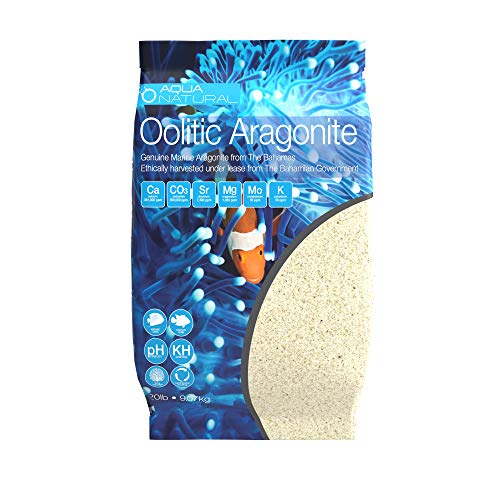
Better for medium-sized reef systems or marine tanks needing extra buffering and substrate mass. This 20-pound option delivers the same buffering strength and calcium carbonate purity as the 10-pound version, making it suitable for larger volumes or deeper sand beds. Choose this if you expect ongoing maintenance with multiple inhabitants requiring stable alkalinity.
Best for: stable pH and long-term buffering. Caution: heavier bags require careful handling to avoid spill and dust during transfer.
Coarse Aragonite 10lb Sand for Reef
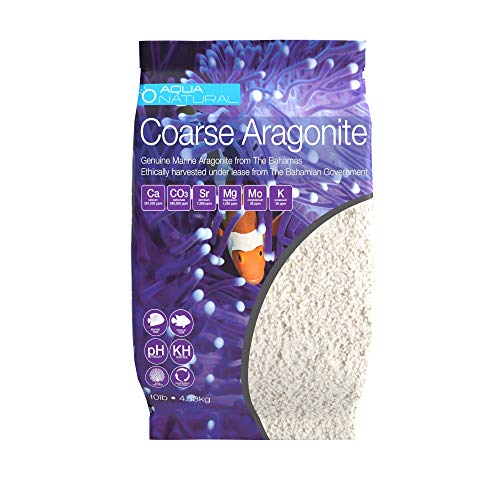
Best for active sand beds where water flow and detritus turnover are important. This coarse aragonite sand maintains a stable pH of around 8.2 and is free from phosphates, reducing nutrient buildup. Pick this when you want a robust substrate that supports burrowing organisms and promotes benificial bacteria in larger tanks.
Limitation: the coarser texture may alter surface area compared to finer sands, affecting microfauna colonization. Pre-rinse to minimize dust.
AquaNatural Coarse Aragonite 20lb

Best for medium to large reef tanks seeking a sustainable, aragonite-based substrate with high buffering capacity. The 20-pound bag provides enough material for deeper beds or larger systems while maintaining a bright, natural look. Best for tanks where you want a sturdy base for coral placement and robust bacterial growth on a large surface area.
Note: as with any aragonite substate, ensure proper rinsing before use to minimize initial cloudiness. Avoid over-agitation during cleaning to preserve grain integrity.
Aqua Natural Diamond Black 10lb Gravel

Best for high-contrast tanks where a dark substrate enhances colors of fish and coral. Diamond Black gravel uses 100% natural material and provides a large surface area that supports beneficial bacteria. Suitable for planted displays and tanks where visibility of inhabitants is a priority. Choose this if you want a striking base color that still supports healthy biology.
Limitation: dark substrates can slightly influence lighting requirements for photosynthetic organisms; ensure lighting is balanced for plant health.
Buying Guide: Key Considerations When Choosing Saltwater Substrate
- Buffering and pH stability: Look for aragonite-based sands that keep pH near 8.2 to sustain reef inhabitants and coral growth.
- Grain size and texture: Fine sands are ideal for burrowing species; coarse gravels support strong flow and quick detritus movement. Consider tank size and maintenance routine.
- Calcium carbonate purity: Higher purity reduces impurities that could affect water chemistry and water quality.
- Sustainable sourcing: Opt for naturally renewable aragonite from responsible sources to support reef ecosystems.
- Color and aesthetics: Substrate color should complement coral, fish, and plant displays without compromising biological performance.
- Dust and clouding: Pre-rinse or soak substrates to minimize initial cloudiness after setup or maintenance.
- Compatibility with inhabitants: Some invertebrates and coral species have substrate texture preferences; match grain size to hobbyist goals.
Frequently Asked Questions
- What substrate is best for saltwater reefs?
– Aragonite sand or coarse aragonite gravel is typically best due to buffering and calcium carbonate content that supports reef biology. - Can black gravel affect coral growth?
– Color does not directly affect growth, but dark substrates can influence lighting balance and visibility; choose based on display needs. - Should I rinse aragonite before adding to the tank?
– Yes, pre-rinsing helps reduce initial cloudiness and dust that may affect water clarity. - How much substrate do I need for a reef tank?
– It depends on tank size and desired sand bed depth. Deeper beds require more material; consult your tank’s guidelines. - Is aragonite safe for all saltwater fish?
– Aragonite is generally suitable for most saltwater fish and invertebrates, but always verify compatibility with your specific species and tank setup. - What maintenance does aragonite require?
– Regular monitoring of alkalinity and calcium is recommended; substrate benefits from gentle stirrers or water flow to prevent detritus buildup.