Answering the popular question “What goldfish are best for ponds?” this guide highlights five robust choices designed to thrive in outdoor ponds, with clear reasons for each buyer’s needs. The listed options cover a range of sizes, color patterns, and hardiness, helping you decide who to choose based on your pond space, water quality, and feeding routine. Ideal for backyard pond owners, hobbyists adding a decorative touch, or first-time keepers seeking a low-maintenance aesthetic, these selections balance visual appeal with practical considerations such as growth, compatibility, and care needs.
| Product | Best For | Why It Stands Out | Notes |
|---|---|---|---|
| Toledo Goldfish Live Shubunkin, Sarasa, and Comet Goldfish Combo | Ponds of all sizes; mixed-display enthusiasts | Calico blue Shubunkins with red-and-white Sarasa and solid red Comets create striking color variation | Includes 24 total fish; suited for larger, established ponds |
| Toledo Goldfish Comet Feeder Goldfish (25) | Ponds needing natural feeder options or background population | Bright Comet feeders born and raised in the USA; useful as a supplemental food source | 2–2.5 inches; good for mid-sized ponds |
| Toledo Goldfish Comet Feeder Goldfish (50) | Medium to large ponds with stable filtration | Same benefits as the 25-count, higher quantity for quicker full-pond stocking | 2–2.5 inches; ensure adequate space |
| Toledo Goldfish Live Shubunkin and Comet Goldfish Combo | Colorful, mixed ponds; smaller setups | Combo of calico blue Shubunkins and red Comets; eye-catching contrast | 3–4 inches; smaller count for tight spaces |
| Toledo Goldfish Red & Black Comet Goldfish | Vivid accent fish for mid-to-large ponds | Distinctive red-orange with black markings; versatile in displays | 3–4 inches; strong color contrast |
Toledo Goldfish Live Shubunkin, Sarasa, and Comet Combo

This live-fish combo provides a vibrant trio: calico blue Shubunkins, red and white Sarasa with white bodies and red patterns, and solid red Comets. Best for larger ponds or multi-display aquariums, the mix offers diverse patterns that create a dynamic viewing experience. The fish are omnivores and adapt to standard flakes or pellet foods. Choose this if you want a varied color palette and a communal population that enhances both visual interest and ecological balance in a well-filtered pond. Caution: ensure adequate space and avoid overcrowding to support growth and water quality.
Toledo Goldfish Comet Feeder Goldfish (25)
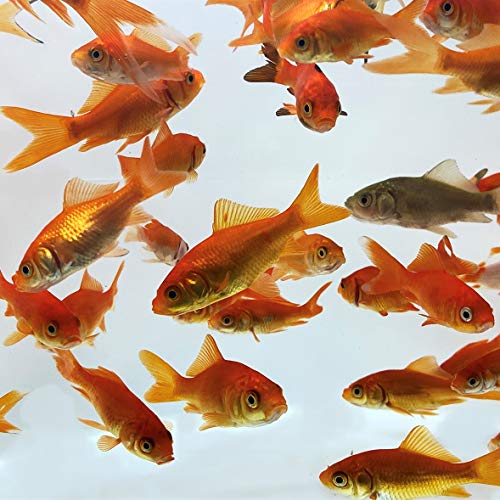
These feeder goldfish are a practical addition to ponds that support other aquatic life requiring a natural feeding option or bulk stocking. They are described as being born and raised on a family farm in the USA, aligning with a homegrown quality story. Best for ponds where a secondary food source or a balance of population is desired, they can help maintain feeding dynamics. Better for medium to larger ponds with steady filtration. Limitation: as feeders, their growth and health still depend on overall water quality and space.
Toledo Goldfish Comet Feeder Goldfish (50)
A larger quantity option for bigger ponds or if rapid population balance is desired. These goldfish share the same USA-born, family-farm background as the smaller batch, offering a reliable source. Best for ponds with robust filtration and ample swimming space. Choose this if you want quick creation of a balanced community with a natural-looking population. Limitation: high fish density requires careful monitoring of ammonia and nitrite levels, especially in warmer months.
Toledo Goldfish Live Shubunkin and Comet Combo

This 3–4 inch combo blends calico blue Shubunkins with solid red Comet goldfish. It offers a visually engaging color mix suitable for smaller to mid-sized ponds or separately maintained tank setups. Best for buyers wanting a two-color contrast that remains easy to manage in moderate environments. Limitation: the smaller total count means slower initial fullness in very large ponds; ensure compatibility with existing species and proper filtration.
Toledo Goldfish Red & Black Comet Goldfish

The Red & Black Comet presents a striking combination of vibrant orange-red bodies with black markings. This option is well-suited for ponds seeking bold color accents and a classic comet profile. Best for mid-to-large ponds where visible color contrast can be enjoyed from multiple viewing angles. Limitation: maintain clear water and steady feeding to prevent color feathering or stress in crowded conditions.
Buying Guide
What should I consider before adding goldfish to a pond?
- Pond size and depth: Ensure there is enough swimming space and that the water temperature remains within goldfish-friendly ranges.
- Filtration and aeration: Goldfish produce significant waste; a robust filtration system helps maintain water quality and reduces the risk of ammonia spikes.
- Stocking density: Avoid overcrowding. Plan for growth, especially with comet and shubunkin varieties that can get larger over time.
- Water quality maintenance: Regular partial water changes and monitoring of pH, ammonia, nitrite, and nitrate levels are essential.
- Diet and feeding: Use a balanced, high-quality diet; avoid overfeeding to minimize waste and water clouding.
- Compatibility: If adding other species, choose peaceful tank mates that share similar care requirements.
Practical buying questions
- Which goldfish are best for beginner ponds? The Comet and Shubunkin types are typically hardy and adaptable to a range of pond conditions.
- How many goldfish can I keep per square foot of pond? Stocking depends on depth, filtration, and aeration; generally, do not exceed local recommendations for fish density.
- Do I need a heater for outdoor ponds? In temperate climates, a heater is usually unnecessary; a pond heater may be useful in freezing winter conditions for aeration.
- Should I quarantine new fish? Yes, quarantine helps prevent disease introduction and ensures new fish adapt to water parameters gradually.
- What maintenance schedule is ideal? Regular feeding, weekly water testing, and monthly filter maintenance help sustain a healthy pond ecosystem.
FAQ
- Are goldfish suitable for ponds year-round? Yes, with appropriate pond size, filtration, and climate considerations.
- What is the best way to blend colors? A mix of calico, red, and black varieties provides a visually striking display while maintaining balance with the pond’s environment.
- Do feeder goldfish require special care? Feeder goldfish share standard diets but should be monitored for growth and water quality impacts.
- How often should I feed pond goldfish? Feed small amounts once or twice daily, adjusting based on temperature and activity level.
- What is a sign of stress in pond goldfish? Lethargy, loss of appetite, clamped fins, or rapid gill movement can indicate stress or poor water conditions.