Yes, glass betta fish tanks are a top choice for clean viewing, durability, and easy placement on desks or shelves. This guide highlights five reliable, glass-based options that balance size, filtration, lighting, and ease of use. These tanks are best for beginners seeking low-maintenance setups, small-space fans decorating a desk area, and hobbyists wanting a clear, visually appealing home for bettas or other tiny aquatic pets.
Quick comparison of selected products:
| Product | Capacity | Best For |
|---|---|---|
| COOSPIDER Betta Fish Tank Self Cleaning Glass 2 Gallon | 2 Gallons | Beginner bassinet-sized setup; decorative desk space |
| Vimvins 2 Gallon Glass Fish Tank | 2 Gallons | Small-scale betta or shrimp keeping, compact home use |
| Vimvins 3 Gallon Glass Small Fish Tank | 3 Gallons | Better filtration and water stability for beginners |
| Pronetcus Betta Fish Tank 2 Gallon Glass Aquarium Starter Kit | 2 Gallons | Easy assembly and quick setup for new hobbyists |
| NICREW 2.5 Gallon Nano Nature Aquarium Kit | 2.5 Gallons | Desktops and small spaces with a modern look |
COOSPIDER Glass 2 Gallon Betta Starter Kit
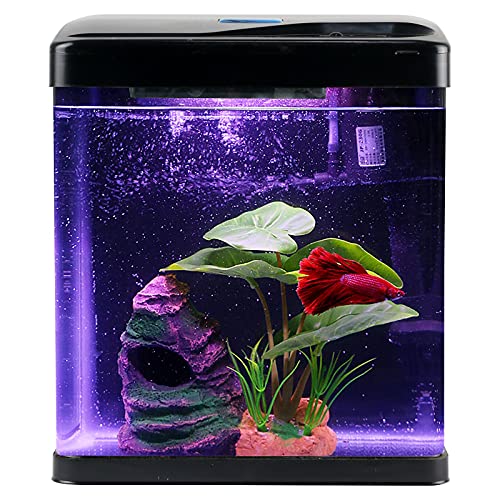
Best for compact desk spaces and entry-level setups. This kit includes a 2-gallon glass tank, a three-color LED light, a quiet 3-in-1 filter, and basic decorations. The glass construction emphasizes clarity and durability, with the black plastic sections creating a simple, modern look. The self-cleaning claim addresses maintenance concerns for beginners who want fewer water changes. Caution: ensure proper netting and acclimation when adding new livestock to reduce stress.
Vimvins 2 Gallon Glass Tank With Safe Edges

Best for compact, elegant desktop displays. The Vimvins 2-gallon tank uses high-quality ultra-white glass with 91% light transmittance for a clear view. It features finely polished edges and a protective aquarium mat to distribute pressure safely on desks. The kit is ideal for small fish, shrimp, or plant-friendly setups. Caution: smaller volume means plan water changes carefully to maintain stable parameters for sensitive bettas.
Vimvins 3 Gallon Glass Small Fish Tank Kit

Better for hobbyists who want a bit more water volume without expanding footprint. This 3-gallon kit supplies a high-efficiency dual-stage filtration system and an ultra-quiet operation. The kit includes a filter, LED lighting, and a lid. Best for bettas and small aquatic species seeking more swimming room and improved filtration. Caution: ensure the lid fits securely to prevent evaporation and jump-prone fish from escaping.
Pronetcus 2 Gallon Glass Betta Tank Starter Kit

Best starter kit for immediate setup and simple maintenance. The 2-gallon glass tank includes a 3-color LED light and a capable filter, with a front feeding port for easy care. It’s suitable for bettas, shrimp, and small fish. Choose this if you want a straightforward, plug-and-play option. Limitation: the size may require tighter handling of water quality, making regular monitoring important.
NICREW 2.5 Gallon Nano Nature Glass Aquarium Kit

Best for stylish, compact setups with a tasteful, modern edge. The NICREW 2.5-gallon kit features high-clarity glass and a simple setup guide designed for beginners. Its 91.2% light transmission helps aquascapes “pop,” making it ideal for bettas, shrimp, or small plants. Caution: the slightly smaller capacity requires careful filtration management and regular top-offs to maintain stable water conditions.
Buying Guide
What size is right for my space?
Consider the available surface area and height. A 2–3 gallon tank fits most desks and shelves, while 2.5–3 gallons provide more stable water parameters and a bit more swimming room for bettas and small aquatic life.
What filtration level do I need?
For bettas, choose quiet, gentle filtration that doesn’t create strong currents. A 3-in-1 or dual-stage filter works well in 2–3 gallon tanks. Higher flow can stress Betta splendens, so look for adjustable or low-flow options.
Is lighting important?
LED lighting enhances plant growth and displays fish color. A kit with a multi-color LED can improve appearance and support plant life in suitable setups, but ensure the light duration is appropriate to avoid algae growth.
What materials matter?
Glass tanks provide clarity and durability, with safer edge finishes in models that polish edges thoroughly. Rimless designs look modern, but ensure stability and proper placement on flat surfaces or with protective mats.
What comes with the kit?
Look for included essentials: glass tank, LED light, filtration system, lid or cover, and starter décor. A ready-to-go kit reduces setup time and ensures compatibility among components.
Maintenance considerations
Smaller tanks require more frequent water changes to maintain water quality. Choose models with easy-to-clean components, clear feeding ports, and accessible filter housings to simplify routine upkeep.
FAQ
- What is the best size for a beginner betta tank? A 2–3 gallon glass tank is typically ideal for beginners, balancing ease of maintenance and adequate swimming space.
- Do all these kits include a filter and light? Most listed kits include both a filter and LED lighting, along with basic decorations and a lid or cover.
- Is glass safer than acrylic for bettas? Glass is generally more scratch-resistant and durable, though acrylic can be lighter. Both can work well with proper care.
- Can I keep other small species with a betta in these tanks? In very small tanks, keep to single-species or choose non-aggressive tank mates with careful monitoring; avoid overcrowding.
- How often should I perform water changes in a 2–3 gallon tank? For beginner setups, plan partial water changes every 5–7 days or as recommended by filtration and test results.
- What should I avoid in a glass betta setup? Avoid high water flow, sudden temperature changes, and overfeeding, which can lead to poor water quality.