When choosing freshwater fish tank cleaners, seek products that improve water quality, reduce waste, and minimize maintenance. This guide highlights five practical options suited for common home aquariums. Best for busy hobbyists, beginners, or hobbyists with larger tanks, these cleaners target gravel, algae, sludge, and water clarity without complicated setups. Each entry explains who it’s for, why it’s recommended, and any limits to consider. A quick comparison table follows to help you scan key differences at a glance.
| Product | Best For | Why Choose |
|---|---|---|
| Aquarium Gravel Cleaner (Natural Rapport) | Gravel maintenance | Biological cleaning; reduces waste and odors without siphons |
| Tetra No More Algae Tablets | Algae control | Algae removal and prevention; water stays clearer |
| API STRESS ZYME | General tank cleaning | Sludge breakdown; supports cleaner gravel and decorations |
| API ALGAEFIX | Algae management | Fast-acting algae control for green water and filamentous algae |
| MICROBE-LIFT Special Blend | Water conditioning | Odor control, clearer water; safe across fish and plants |
Natural Gravel Cleaner For Substrate Health

The Aquarium Gravel Cleaner from Natural Rapport uses a natural, biological approach. It introduces beneficial bacteria that break down fish waste, uneaten food, toxins, and odors trapped in substrate. No siphon or vacuum is required—just pour and let the biology work. Best for hobbyists who prefer low-effort gravel maintenance and want to extend intervals between water changes.
Who it’s best for: aquarists with regular substrate buildup and those who want an easy, chemical-free method. Why selected: it reduces ammonia and nitrite indirectly by breaking down waste in the gravel, supporting better water quality.
Limitations: this is a biological cleaner, so results depend on existing bio-load and tank conditions. It’s not a quick fix for heavy sludge or a tank in crisis.
Tetra No More Algae Tablets, 8 Tablets

These tablets target algae by helping to control growth in freshwater aquariums. They’re designed to work in both glass and acrylic tanks and contribute to clearer water and cleaner glass. This option is best for tanks struggling with visible algae growth on substrates, decor, or glass.
Who it’s best for: owners facing persistent algae issues and needing an easy, targeted solution. Why selected: provides a straightforward method to control algae without manual scrubbing each week.
Caution: tablets should be used as directed to prevent potential over-dosing in sensitive setups or newly established tanks.
API STRESS ZYME Bacterial Cleaner

API STRESS ZYME is a liquid cleaning solution that supports both freshwater and saltwater aquariums. It helps keep water cleaner by consuming sludge and reducing maintenance needs. The product is positioned as a general cleaner, promoting clearer water and easier upkeep.
Who it’s best for: aquarists seeking a broad water-care product that can be used across multiple systems. Why selected: it targets sludge and waste buildup that contribute to cloudy water or odor.
Limitation: it’s a broad treatment, so expect best results when used as part of a regular maintenance routine rather than as a sole solution for heavy contamination.
API ALGAEFIX Algae Control
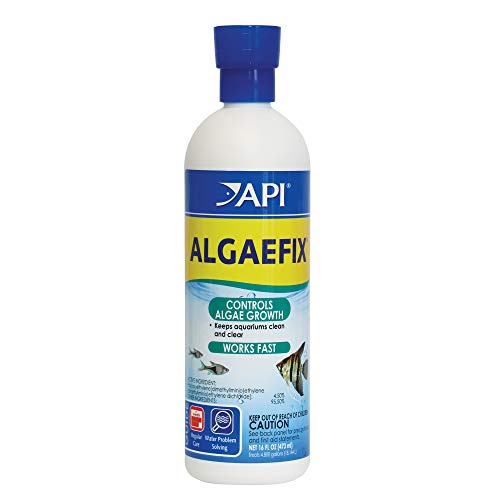
ALGAEFIX is designed to control algae growth and keep aquarium glass, ornaments, and plants clean. It’s a fast-acting option for green water and various forms of algae, making it a strong choice for tanks with visible algae blooms.
Who it’s best for: those dealing with algae that recurs after routine maintenance. Why selected: quick algae suppression can prevent long-term substrate and decor staining.
Limitation: algae suppression can vary by tank conditions such as lighting duration and nutrient levels; adjust cleaning plans accordingly.
MICROBE-LIFT Special Blend Water Care

MICROBE-LIFT Special Blend acts as both a water treatment and clarifier, reducing odors and helping water stay clearer. It’s described as safe for freshwater tanks, saltwater tanks, and mixed systems, making it versatile for ecosystems with plants and invertebrates.
Who it’s best for: hobbyists seeking a comprehensive water-conditioning product that supports cleaner water and reduced maintenance. Why selected: combines filtration-friendly cleaning with odor control.
Limitation: as with broad treatments, results depend on the bio-load and tank setup; use within recommended guidelines for optimal outcomes.
Buying Guide: Freshwater Tank Cleaner Essentials
- What problem are you solving? If you need substrate cleanliness, consider gravel cleaners or biological enhancers. For algae, target ALGAEFIX or No More Algae Tablets.
- Is your tank heavily stocked? Heavy bioload benefits from products that break down sludge and reduce ammonia, nitrite, and nitrate.
- What tank size and inhabitants do you have? Match products to your aquarium volume and whether you keep plants, invertebrates, or delicate species.
- Biological vs chemical approaches: Biological cleaners (like the Natural Rapport gravel cleaner) support ongoing balance, while chemical treatments may offer quick suppression but require mindful use with livestock.
- Maintenance routine: Consider products that integrate with a consistent schedule, extending time between water changes without compromising water quality.
- Application method: Some products are easy pour-ins; others require dosing. Choose based on your comfort with adding liquids or tablets to the tank.
Frequently Asked Questions
- What is the best overall freshwater cleaner for beginners?
– A biological or combined water-care product that clarifies water and reduces waste is a practical starting point for beginners. - Are algaecide tablets safe for planted tanks?
– Most are designed for glass or acrylic tanks; check product guidelines to ensure compatibility with live plants. - How often should I use a water clarifier?
– Follow the product directions; many users apply during regular maintenance cycles or when cloudiness occurs. - Can these cleaners replace water changes?
– They can extend intervals between changes but should not fully replace routine water changes in most setups. - Do these products affect fish or invertebrates?
– Use as directed; some products are safe for a wide range of aquatic life, while others require caution with sensitive species. - Should I combine multiple cleaners?
– It’s usually best to follow one product’s guidelines at a time to avoid potential interactions or overexposure.