The best freshwater aquarium list for beginners and experienced hobbyists blends essential water treatment, accurate testing, and helpful identification aids. This guide highlights five carefully chosen products to support water quality, fish health, and easy tank management. It’s ideal for buyers seeking reliable, self-contained solutions. The top picks cater to new tank setup, ongoing maintenance, and clear fish identification.
| Product | Purpose |
|---|---|
| API Tap Water Conditioner | Neutralizes chlorine and chloramines; safe tap water for fish |
| AAwipes Aquarium Ammonia Test Strips | 8-in-1 water testing for key parameters |
| API Accu-Clear | Clarifies cloudy water by aiding particle clumping |
| API Leaf Zone | Fertilizes freshwater plants for healthier leaves |
| Freshwater Fish Identification Chart | Visual guide to identify common freshwater species |
API Tap Water Conditioner Aquarium Water Conditioner

Best for new or re-started tanks where water quality concerns exist. This conditioner neutralizes chlorine and chloramines to make tap water safe for fish, helping prevent gill damage and tissue irritation from treated water. It is a straightforward choice for beginners setting up a freshwater tank or for hobbyists needing quick, reliable water conditioning before a water change. A potential limitation is that the product data does not specify concentrations for advanced dosing, so follow label directions closely.
AAwipes Ammonia Test Strips 8-in-1

Best for everyday monitoring of water quality. The 8-in-1 strips measure free chlorine, nitrate, nitrite, total alkalinity, carbonate hardness, general hardness, pH, and ammonia nitrogen. The kit is designed for both freshwater and ponds, making it versatile for various setups. It’s especially useful for hobbyists who test water frequently. A caution is to ensure proper interpretation of color charts and to perform tests in consistent lighting for accurate readings.
API ACCU-CLEAR Freshwater Water Clarifier

Best for cloudy tanks where a quick clarifying effect is needed. This clarifier helps clump fine particles so filters can remove them more efficiently, resulting in clearer water. It’s a practical option during or after adding new fish or after heavy feeding. The data does not specify exact particle sizes addressed, so users should monitor water clarity after dosing and avoid over-clarifying in heavily stocked tanks.
API Leaf Zone Freshwater Plant Fertilizer 16-Ounce
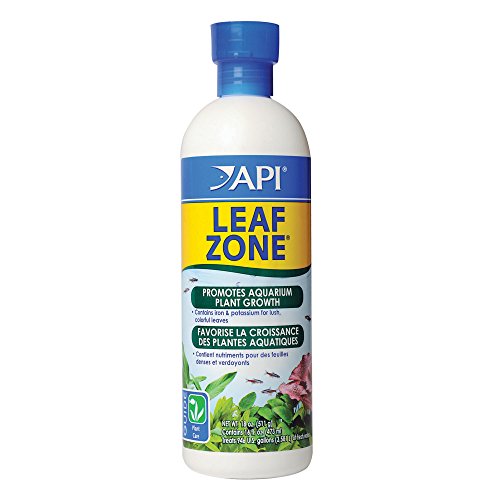
Best for enhancing plant growth and leaf color in planted tanks. The fertilizer supplies chelated iron and potassium to support strong, hardy leaves and reduce yellowing. It’s a solid choice for tanks with live plants or for hobbyists planning to add botanical features. A limitation is that liquid fertilizers require regular dosing aligned with plant growth pace; over-fertilizing can lead to algae growth if not managed properly.
Freshwater Fish Identification Chart

Best for beginners learning species and care requirements. This waterproof guide provides quick-reference visuals and key details like size, water temp, and feeding methods. It’s useful as a part of an education-first approach to stocking a new aquarium or expanding an established collection. The chart’s visual format supports rapid species recognition, though it should be supplemented with more in-depth care information for each fish.
Buying Guide: Key Purchase Considerations
Water quality essentials: Start with a reliable water conditioner to make tap water safe, especially in areas with chloramine-treated water. Pair with an easy-to-use test kit to monitor ammonia, nitrite, nitrate, pH, and hardness. Regular testing helps prevent problems before they impact fish health.
Plant health and aesthetics: Plant fertilizers support leaf color and growth. Choose products that provide chelated iron and potassium for broad compatibility with common freshwater plants. Balance lighting and substrate to maximize plant uptake and minimize algae.
Water clarity: Clarifiers can help when tank inhabitants produce more particulates than filters can handle. Use sparingly and monitor tank clarity to avoid overuse that may impact beneficial bacteria or overall water chemistry.
Identification and education: A visual fish guide aids in rapid species recognition, which supports better stocking decisions and compatibility planning. Use charts to complement more detailed care resources.
Maintenance routine: Establish a simple schedule for water changes, testing, and dosing. Consistency reduces stress for fish and helps maintain a stable environment, especially in new setups or heavily stocked tanks.
FAQ
- What is the first product I should buy for a new freshwater tank? Start with a water conditioner to remove chlorine and chloramines, then select a basic test kit to monitor water quality.
- How often should I test my tank water? For new tanks, test weekly during establishment. In established tanks, test biweekly or after major water changes or feeding spikes.
- Can I use plant fertilizer with all types of fish? Most freshwater plants tolerate standard fertilizers, but avoid over-fertilizing in heavily stocked tanks to prevent algae blooms. Check compatibility with plant species present.
- Is a clarifier safe for all tanks? Clarifiers can help with cloudy water but should be used according to label directions and not as a substitute for routine cleaning and filtration.
- What is the best way to identify fish species? Use a reliable identification chart as a quick reference, then consult species-specific care guides for tank size, temperature, and dietary needs.
- How do I know if my tank needs more plant nutrients? If plants show yellowing, slowed growth, or leaf edge browning despite adequate lighting, consider adding a balanced fertilizer and assessing substrate and CO2 availability for non-reef freshwater setups.