Discover compact, fully aquatic crabs and related crustaceans suited for small tanks and peaceful habitats. This guide highlights five Amazon options that suit nano aquariums, beginner-friendly setups, and experienced hobbyists alike. Each listing includes care tips drawn from their features to help you compare compatibility, feeding, and tank requirements.
Summary of Selected Products
| Product | Type | Approximate Size | Key Benefit |
|---|---|---|---|
| Aquatic Arts 5 Live Freshwater Micro Crabs | Limnopilos naiyanetri Micro Crabs | ≈ 1/2 inch | Great for nano tanks with plants and decor for play |
| Aquatic Arts 10 Live Freshwater Micro Crabs | Limnopilos naiyanetri Micro Crabs | ≈ 1/2 inch | Kept by experienced nano hobbyists; minimal feeding required in mature tanks |
| Aquatic Arts 30 Live Freshwater Micro Crabs | Limnopilos naiyanetri Micro Crabs | ≈ 1/2 inch | Good for larger nano setups; ships as a more established group |
| Swimming Creatures Freshwater Live Lobster Crayfish | Crayfish (Cambaridae type) | ≈ 1–2 inches | Vibrant addition to larger aquariums; monitor tank mates and space |
| SunGrow Shrimp Rocks | Calcium/Magnesium decorative rocks for crustaceans | Not a crab; decor with crustacean benefits | Enhances mineral balance and habitat aesthetics |
Aquatic Arts 5 Live Freshwater Micro Crabs

These Thai Micro Crabs (Limnopilos naiyanetri) are extremely small, about 1/2 inch in diameter. They are best suited for experienced nano aquarists and established shrimp keepers who can provide ample plant cover and space for foraging. They stay fully aquatic and can live in compact glass or acrylic nano tanks. Aquatic Arts notes their delicate nature and recommends research before purchase. In planted tanks, they benefit from varied vegetation such as Marimo moss balls and hairgrass, plus a bubbler or aeration to maintain dissolved oxygen. Feeding is typically light, relying on biofilm and tank bioactivity as the tank matures.
Care considerations:
– Tank size: Ideal for 2 gallons or larger nano setups with plants and hiding places.
– Water: Maintain stable, well-filtered water; avoid drastic parameter swings.
– Compatibility: Peaceful, best with small, non-aggressive tankmates that won’t outcompete them for biofilm.
Aquatic Arts 10 Live Freshwater Micro Crabs
This set increases the micro crab population while remaining within nano-tank boundaries. The crabs are extremely small (about 1/2 inch) and are not a starter kit; they’re intended for experienced nano hobbyists who understand the needs of Limnopilos naiyanetri. They do best with dense plant cover or décor that offers shelter, such as small caves or bridges. No extra accessories are strictly required beyond standard nano aquarium equipment like a heater, pump, filter, or skimmer. These crabs are fully aquatic and will stay immersed in water.
Key considerations:
– Group dynamics: A small group can better establish biofilm cleaning and exploration behaviors.
– Habitat enrichment: Planting density and decor variety support foraging and territorial tolerance.
– Maintenance: Regular partial water changes and stable parameters support long-term health.
Aquatic Arts 30 Live Freshwater Micro Crabs
This larger micro crab offering targets experienced nano aquarists who maintain 2-gallon or larger tanks. Thai Micro Crabs, Limnopilos naiyanetri, remain extremely small and require a planted environment with ample cover. They are fully aquatic and do not need to float. In mature tanks, these crabs feed on biofilm and detritus, minimizing extra feeding. Providing Indian almond leaves or similar supplemental foods can support natural feeding. Water conditioners and UV sterilization are recommended to maintain water quality.
Highlights:
– Tank suitability: Best for dedicated nano setups with stable plants and hiding places.
– Behavior: Active but unobtrusive scavengers that help control biofilm.
– Diet: Primarily biofilm and natural detritus; supplementary dry foods optional.
Swimming Creatures Freshwater Live Lobster Crayfish
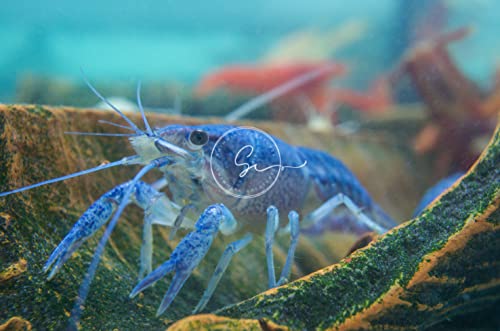
These blue freshwater lobsters (crayfish) are approximately 1–2 inches in size, making them better suited for larger community tanks with careful compatibility planning. Maintain water temperature in the 65-80°F range and a pH of 7.0-8.0 for optimal health. Due to state shipping constraints, some destinations may not be eligible for shipment. Crayfish require space, sturdy hiding spots, and careful selection of tank mates to avoid predation or aggression toward smaller invertebrates or fry.
Considerations:
– Tank mates: Avoid small, slow fish or territorial species that could be harassed.
– Territory: Provide multiple hiding spots and vertical structure to reduce conflicts.
– Care: Regular monitoring of water quality, feeding appropriately to prevent excess waste, and ensuring adequate oxygenation.
SunGrow Shrimp Rocks

SunGrow Shrimp Rocks are mineral-rich decor pieces designed to benefit crustaceans by supporting shell health and vibrant coloration. These calcium- and magnesium-rich rocks act as an ion exchanger to help clear water and store beneficial minerals. While not crabs themselves, they support invertebrate health in shrimp and small crustacean habitats, making them a practical addition to tanks housing nano crustaceans like micro crabs or dwarf shrimps. They also contribute to aesthetics and overall tank balance.
Buying Guide: Key Purchase Considerations And Comparisons
- Tank compatibility: Micro crabs are best in planted, well-filtered nano tanks with hiding places. Larger crustaceans require bigger spaces and careful partner selection to prevent predation or aggression.
- Size and maturity: Expect micro crabs to stay around 1/2 inch. If you’re new to nano setups, start with smaller groups and gradually add more as you monitor water quality and behavior.
- Water parameters: Stable temperature and pH are crucial. Crayfish and macro-invertebrates may tolerate broader ranges, but abrupt changes stress all tank inhabitants.
- Feeding: Micro crabs often rely on biofilm; routine feeding should be light and habitat-based. Crayfish may require supplemental food if biofilm is insufficient.
- Decor and habitat: Dense planting, moss balls, rockwork, and small caves provide hiding spots and foraging areas, reducing stress and territoriality among crustaceans.
- Maintenance: Regular water changes and parameter checks help keep biofilms under control and prevent toxin buildup, especially in small volumes.
- Regulatory considerations: Some live invertebrates may have shipping limitations depending on location. Verify local regulations before purchase.
- Species-specific notes: Limnopilos naiyanetri (Thai micro crabs) are delicate and best for experienced hobbyists; they are fully aquatic and must be kept immersed.