The top choices below are ideal for freshwater hobbyists seeking vibrant, active African cichlids. Each selection fits different tanks, temperaments, and care levels, helping you pick the best match for your setup. The buyers best suited for these fish range from beginners building a lively community tank to experienced keepers aiming for bright color and territorial display. The table summarizes why these five options stand out and who they’re best for.
| Product | Best For | Key Appeal |
|---|---|---|
| Swimming Creatures™ 12 Assorted Color Mbuna African Cichlids | Medium to larger tanks; active community setup | Vibrant mix, robust for beginners with proper care |
| Swimming Creatures™ 6 Assorted Color African Cichlids | Smaller tanks or starter cichlid collection | Compact assortment, good energy and color |
| 2-Pack Turquoise Jewel Cichlid | Colorful single-species focus or pair in a stable tank | Bright turquoise-blue-green with red accents |
| Aquaticheavens Red Top Lwanda Peacock African Cichlid | Showcase bi-color to multi-color display | Bold reds and blues, dramatic patterning |
| German Blue Ram Cichlid (3 Fish Pack) | Peaceful centerpiece or pairs in a compatible community | Distinctive blue coloration; smaller, peaceful ram |
Swimming Creatures 12 Assorted Mbuna Cichlids
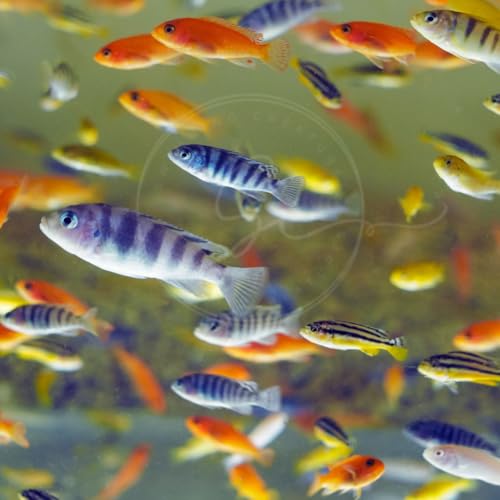
- Includes: 12 Assorted Mbuna African cichlids; hand-selected from a vibrant mix of species (subject to availability)
- Care: Water temp 76–82°F; pH 7.8–8.6
- Diet: Omnivorous; provide quality pellets, spirulina, and occasional protein treats
- Habitat: Ensure plenty of rocks or caves for hiding and territorial behavior
- Note: Species randomly chosen; colors and patterns vary
Best for: Hobbyists building a lively community tank with robust, colorful cichlids who can establish territory with rock layouts. Choose this if you want a busy, dynamic display and can provide adequate hiding spaces.
Caution: Stock variability may affect color and species mix; plan for potential shuffling of individuals.
Swimming Creatures 6 Assorted Color African Cichlids

- Includes: 6 assorted African cichlids; hand-selected from a vibrant mix of species (subject to availability)
- Care: 76–82°F; pH 7.8–8.6
- Diet: Omnivorous; quality pellets, spirulina, occasional protein treats
- Habitat: Rocks or caves support territorial behavior
- Note: Species randomly chosen; colors and patterns vary
Best for: Aquarists with smaller to mid-sized tanks wanting active color and personality in a compact grouping. Choose this if space is limited but you still want dynamic Mbuna activity.
Caution: Smaller groups may show intense competition; ensure adequate hiding spaces and stable water parameters.
2-Pack Turquoise Jewel Cichlid
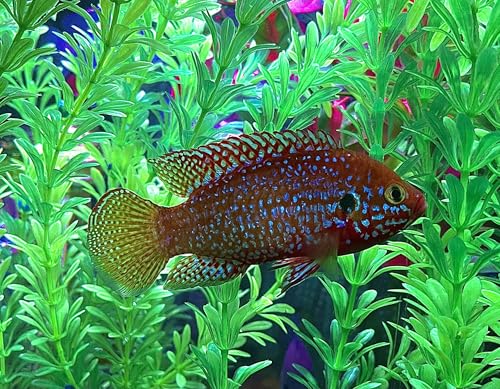
- Color: Brilliant blue-green coloration with shimmering turquoise hues and red accents
- Species: Active African cichlid; thrives in warm, clean, well-oxygenated water
- Adaptability: Adjusts easily to stable conditions; energetic swimmer
Best for: Color-focused displays in mid-sized tanks, or a pair arrangement for added drama. Choose this if you want eye-catching blues and greens as a centerpiece for your reef-like African cichlid setup.
Caution: Being a two-pack, compatibility with existing species should be monitored to avoid aggression spikes.
Aquaticheavens Red Top Lwanda Peacock Cichlid

- Appearance: Rich blue color with yellow shoulder and pelvic regions; color can deepen to orange-red as they mature
- Pattern: Fins exhibit yellow tones that may shift toward orange-red
- Environment: Lake Malawi cichlids known for striking color bursts
Best for: Showy centerpiece in a larger Malawi setup where bold color contrasts are desired. Choose this if you want a dramatic, radiant blue-to-red display in your tank.
Caution: Mature color changes can alter signaling; maintain stable water quality to support consistent expression of color.
German Blue Ram Cichlid (3 Fish Pack)
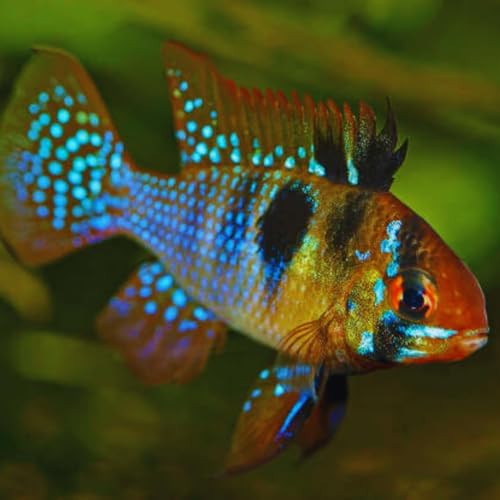
- Scientific name: Mikrogeophagus ramirezi; native to South America
- Color: Striking blue coloration; males may show golden hues and black markings
- Form: Compact, with elongated dorsal and anal fins
Best for: Peaceful centerpiece or pair in a compatible community tank; good choice for taller plants and soft, clear water. Choose this if you want a refined, smaller cichlid with vibrant colors and a calmer temperament.
Caution: Ram cichlids can be sensitive to aggressive tank mates; ensure a quiet, well-filtered environment with proper hiding spots.
Buying Guide
What size tank do you need for African cichlids? Mbuna and jewel cichlids typically require at least a 30–40 gallon tank for a small group, with larger tanks offering more stability and territory for multiple individuals. Provide rocky layouts or caves to mimic their natural habitat and reduce aggression by offering multiple territories. Maintain stable water conditions: warm temperatures and a slightly alkaline pH often work best for many African cichlids.
How many fish should you start with? Start with a small, balanced group and gradually add more fish only after you’ve established stable water parameters and a well-developed territorial layout. Avoid overcrowding, which can raise stress and disease risk.
What should you feed African cichlids? An omnivorous diet that includes quality pellets, supplemented with spirulina and occasional protein treats, supports color and health. Provide a varied diet to prevent nutritional gaps and promote vibrant coloration.
Which species should you pair together? Mbuna cichlids can be very territorial, so pairing should consider size, color, and temperament. Peaceful species like the German Blue Ram can coexist if the tank is safeguarded with ample hiding spaces and compatible neighbors. Avoid aggressive mixes that overlap too much in size and temperament.
FAQs
- What is the best water pH for African cichlids? Most Mbuna prefer a pH around 7.8–8.6; stability is key.
- Are cichlids compatible with other freshwater fish? Yes, with careful species selection and ample hiding places to reduce aggression.
- How often should I replace water in a cichlid tank? Regular partial water changes, typically weekly, help maintain consistent water quality.
- Do all African cichlids require rock caves? Many do benefit from rock structures to establish territories, but layouts can vary by species.
- Can I keep cichlids in a small tank? Some smaller species work in tighter setups, but largerMbuna groups generally need bigger tanks to thrive.