Freshwater carpet plants create striking, lawn-like fore- grounds that make aquascapes feel larger and more vibrant. The following selections are among the best options for achieving a dense, green carpet in community tanks, biotopes, or high-tech setups. Each plant family offers varying growth habits, light needs, and substrate compatibility, helping hobbyists tailor a carpet that fits their tank size and CO2 regime. Explore these cultivars to build a lush foreground that frames rocks, driftwood, and fish movement.
Summary of Selected Products
| Product | Carpet Type | Light / CO2 | Substrate Notes |
|---|---|---|---|
| Ultum Nature Systems Dwarf Baby Tears Cuba | Dwarf Baby Tears HC-style carpet | Medium to high lighting; CO2 recommended | Substrate-friendly; good starter for new tanks |
| Dwarf Hairgrass Eleocharis Parvula | Moderate to high lighting; CO2 optional but beneficial | Versatile; tolerates various substrates | |
| Ultum Nature Systems Monte Carlo | Monte Carlo front carpet | Medium to high lighting; CO2 recommended | excels in compact foreground layouts |
| Micranthemum Micranthemoides Pearlweed | Pearlweed carpet | High lighting; CO2 beneficial | Dense, bright-green carpet with small leaves |
| The Sun Ave Dwarf Baby Tears HC | HC-style baby tears carpet | Moderate to high lighting; CO2 helpful | Snail-free; good root density |
Ultum Nature Systems Dwarf Baby Tears Cuba

Dwarf Baby Tears Cuba is among the smallest aquatic plants, yet it delivers a striking foreground carpet when established. Suitable for submerged growth and adaptable to emersed states in dry-start setups, it excels in Iwagumi layouts and dense foreground fields. Gardeners should anticipate medium to high lighting and a steady nutrient regimen, with CO2 supplementation recommended to maintain tight, compact growth. Initial planting can be challenging due to tiny roots, but the payoff is a lush green carpet that defines a tank’s base layer.
Dwarf Hairgrass Eleocharis Parvula Tissue Culture
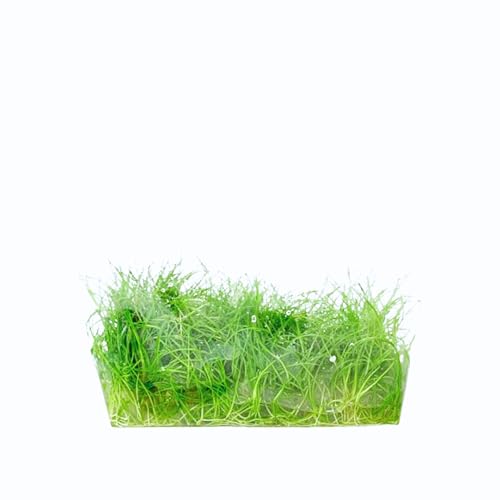
Dal hairgrass creates a fine, grassy carpet that softens tank edges and provides cover for small fish. The tissue-culture line-up guarantees a sterile start free from pests and pathogens. Plants are grown in nutrient-rich gels to support early development, leading to sturdier establishment in aquariums. Ideal for foreground planting in both large and small tanks, Dwarf Hairgrass delivers a delicate lawn effect that remains visually appealing with regular trimming and adequate lighting.
Ultum Nature Systems Monte Carlo
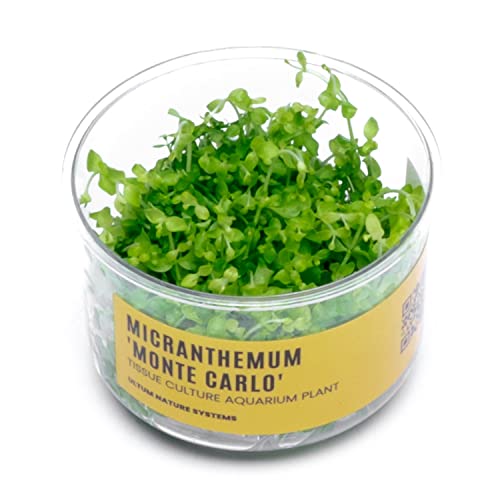
Micranthemum Monte Carlo is a low-growing foreground plant that forms a vivid green carpet, ideal for bright substrates. It can thrive submerged or emersed, offering flexibility for various aquascaping styles. This species requires sufficient light and CO2 to stay compact and prevent elongation. Growth depends on consistent fertilization; lack of light or nutrition may lead to taller, stalky growth and yellowing leaves. When properly illuminated, Monte Carlo provides a crisp, compact carpet with a striking color contrast against neutral substrates.
Marcus Fish Tanks Monte Carlo 3-Pack

This 3-pot package provides ready-to-plant Monte Carlo clusters for rapid foreground carpeting. Each pot typically includes multiple stems to jump-start a dense carpet quickly. As with other Monte Carlo setups, optimal results come with ample lighting and CO2 supplementation. Winter shipping considerations are noted; extreme cold can impact plant vitality, so plan for temperature-safe delivery windows. This option suits aquarists seeking instant carpet density with minimal sourcing effort.
Micranthemum Micranthemoides Pearlweed
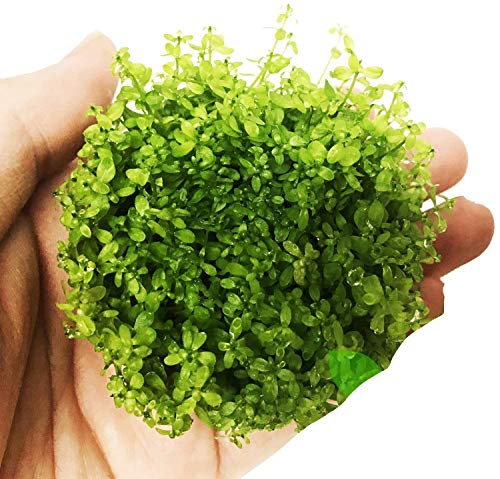
Pearlweed offers a bright-green carpet with small, dense leaves that create a pronounced foreground. Tissue culture cups provide a clean start with low risk of pests. Pearlweed carpet plants typically perform best under high lighting and with CO2 supplementation to maintain a compact, bushy appearance. The product line also mentions flexible shipping options during extreme weather, including available ice or heat packs on request, to protect plant health during transit.
The Sun Ave Dwarf Baby Tears HC

The Sun Ave HC variant focuses on robust, snail-free baby tears that form a dense crown across the substrate. Roots tend to be well-developed, aiding early establishment. Care requirements align with other HC-type carpets: moderate to high lighting and CO2 help prevent etiolated growth. This option is well-suited for aquariums seeking a classic, tightly packed foreground carpet with a crisp, bright-green appearance.
Buying Guide: Carpet Plant Purchase Considerations
- Light and CO2 requirements: Most carpet species benefit from bright lighting and supplementary CO2. Plan your lighting schedule and CO2 delivery to maintain compact growth and prevent leggy stems.
- Substrate compatibility: Choose plants that match your aquarium substrate or be prepared to create a nutrient-rich layer. Root development is critical for carpet species to spread evenly.
- Propagation and maintenance: Regular trimming supports a dense carpet and prevents overgrowth into mid-ground areas. Some species respond well to regular pruning; others may require more careful planning.
- Origin and culture type: Tissue-culture plants tend to arrive pest-free and clean, while potted or pot-grown specimens can establish quickly but may carry pests if not sourced from reputable sellers.
- Water chemistry and temperature: Most freshwater carpet plants prefer stable temperatures and neutral to slightly acidic pH. Avoid rapid shifts that stress delicate leaves.
- Tank maturity and population: For new tanks, start with smaller, manageable carpets to allow the ecosystem to stabilize before adding dense foreground plantings.
- Safety and shipping considerations: In extreme climates, choose sellers offering protective packaging or shipping options to minimize plant shock and snail risk.