If you’re looking to add fresh water craw fish and compatible invertebrates to your aquarium or pond, this guide helps you pick the right specimens. It targets hobbyists seeking small, active crawfish, loaches, clams, and related live pets that fit standard freshwater setups. The top picks below are suited for beginner to intermediate enthusiasts, community tanks, and planted aquariums. A quick summary table follows to compare the five recommended products at a glance.
| Product | Best For | Notes |
|---|---|---|
| New 15 Baby Live Freshwater Clams | Aquarium filters and invertebrate enthusiasts | Ideal for modest filtration support and biodiversity |
| Aquatic Arts CPO Crayfish | Colorful, active climbers for mid to large tanks | Shows bright color; avoid with Betta tanks |
| Kuhli Loach (3-4″) | Bottom-dwelling scavengers in planted tanks | Peaceful, best in groups |
| Orange Tangerine Clarkii Crayfish | Showy crayfish for display tanks | Not shippable to some states; needs hiding spots |
| Freshwater Lobster Crayfish (Blue) | Blue coloration accents in aquariums | State restrictions may apply |
New 15 Baby Live Freshwater Clams

Best for beginners building a natural filtration boost. These live freshwater clams function as filter feeders that help maintain water clarity in small to medium tanks or ponds. They’re suitable for hobbyists who want low-maintenance invertebrates alongside standard community fish. They thrive in stable conditions and provide a quiet display.
Best for: hobbyists seeking additional biofiltration and passive filtration benefits without complex care routines.
Caution: Clams require stable water parameters and may be sensitive to sudden changes. Monitor ammonia and nitrate levels closely and avoid overcrowding the tank.
Aquatic Arts CPO Crayfish (Male/Female Pair)

Best for colorful, active centerpieces in community tanks. These CPO dwarf crayfish are known for fiery orange coloration and high activity. They stay pretty visible during light hours and require an aquarium setting rather than a terrarium. They are a good choice for experienced beginners if kept with compatible tankmates.
Best for: adding color and movement to a community or planted tank.
Limitation: They can prey on small dwarf shrimp, so plan tank mates accordingly. Betta fish may conflict with them, so avoid pairing with Betta in the same space.
Kuhli Loach (Pangio kuhlii) – Freshwater Live Fish
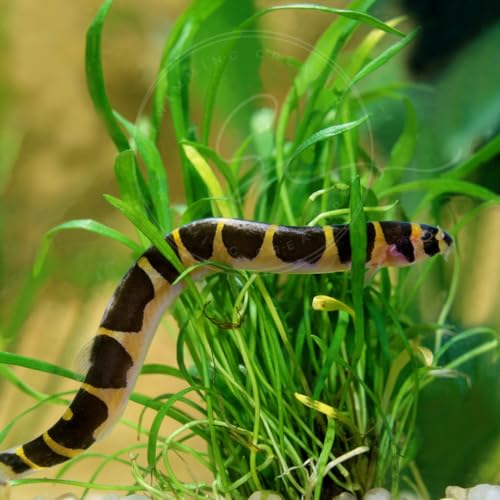
Better for peaceful bottom-dwelling activity in planted or community tanks. The Kuhli Loach is an eel-like fish that schools in groups, adding dynamic motion to the substrate region. They’re suitable for carefully matched community tanks and can help stir the substrate during feeding times.
Best for: adding playful, subterranean movement without aggressive behavior.
Limitation: They require cooler to moderate temperatures and strong hiding spaces; they may shy away if kept alone.
Bugs and More Store Orange Tangerine Clarkii Crayfish

Better for a striking display in a medium to large tank. The Orange Tangerine Clarkii crayfish offers a vivid hue that stands out in any aquascape. They benefit from hiding spots and planted areas to support natural behaviors and daily activity.
Best for: showy addition to display tanks with adequate hiding structures.
Limitation: Some shipments cannot be sent to certain states; plan accordingly and ensure appropriate tank mates to minimize stress.
Swimming Creatures Freshwater Live Lobster Crayfish (Blue)

Choose this for a blue-toned centerpiece in larger aquariums. This freshwater lobster crayfish can add unique color dynamics to the tank. They require stable water parameters and a suitable habitat with hiding places and surfaces for exploration.
Best for: experienced keepers who want a striking accent species.
Limitation: State shipping restrictions may apply; verify local regulations before purchasing.
Buying Guide
What to consider when choosing freshwater crawfish and related species:
- Tank size and compatibility: Ensure the tank is large enough for the selected crayfish or loach and that potential tankmates won’t stress them.
- Water parameters: Most of these species prefer stable pH, temperature, and hardness. Sudden changes can be harmful.
- Behavior and temperament: Some crayfish may prey on small shrimp or snails; plan accordingly.
- Hiding spots and environment: Plenty of caves, plants, and substrate variation support natural behavior and reduce stress.
- State shipping restrictions: Some crayfish species have regulatory limits in certain states; verify eligibility before ordering.
- Feeding needs: While some are detritivores, others are opportunistic feeders. Provide appropriate foods and avoid overfeeding to maintain water quality.
- Tank setup: For clams and filter feeders, ensure adequate water flow and attachment surfaces. For bottom-dwellers, gentle substrate is often ideal.
Frequently Asked Questions
- What fish can I keep with freshwater crayfish?
- Do clams require special care in freshwater tanks?
- Can kuhli loaches live with crayfish?
- Are all crayfish safe for planted tanks?
- How do I prevent overstocking when buying multiple invertebrates?
- Are there shipping restrictions for live crayfish?
Choose peaceful tank mates that won’t trigger aggression from the crayfish. Avoid species with long antennae or those that might be seen as prey. Bettas may not be compatible with some crayfish.
Clams need stable water parameters and adequate filtration. They are filter feeders and benefit from clean water with moderate flow.
In many setups, kuhli loaches can share space with crayfish if there are ample hiding places and enough territory. Monitor for potential conflicts.
Most are safe in planted tanks, but be mindful of potential plant damage from burrowing or peeling behaviors by some species.
Plan tank capacity carefully and consider the bioload of each species. A larger tank with robust filtration supports healthier, more stable ecosystems.
Yes. Some crayfish species have state restrictions. Always confirm shipping eligibility before placing an order.