Freshwater clams can add natural filtration and a peaceful presence to home aquariums. This guide highlights the best available freshwater clam options and related water-care products to help maintain a clear, healthy tank. The selections prioritize live filter feeders, ease of care, and compatible tank mates.
The table below provides a quick snapshot of the chosen products, including brand and notable features to help you compare at a glance.
| Product | Brand | Key Features | Link |
|---|---|---|---|
| New 15 Baby Live Freshwater Clams | Live Florida Clams | Live invertebrates, filter feeders, suitable for aquariums and ponds | View |
| AquaticMotiv Freshwater Gold Clam (3 pack) | AQUATICMOTIV | Live filter feeders, cleans detritus, black/tan shell | View |
| 10 Baby Live Freshwater Clams | Generic | Aquarium filters, live invertebrates, filter feeders | View |
| API ACCU-CLEAR Freshwater Aquarium Water Clarifier | API | Clarifies cloudy water; helps cluster debris for filtration | View |
| API TAP WATER CONDITIONER Aquarium Water Conditioner | API | Neutralizes chlorine/chloramines; protects fish gills | View |
New 15 Baby Live Freshwater Clams: 15-Pack For Aquariums

Live Florida Clams offer a compact, low-maintenance addition to freshwater setups. As filter feeders, they help remove uneaten food and organic waste from the water column, supporting better clarity and stability. Their varied color options (brown, gold, tan, silver) create subtle accents in community tanks. This pack is suitable for beginners and experienced hobbyists alike, provided the tank has adequate filtration and stable water conditions. Regular monitoring of ammonia and nitrite remains essential when introducing live invertebrates.
AquaticMotiv Freshwater Gold Clam (3 pack)
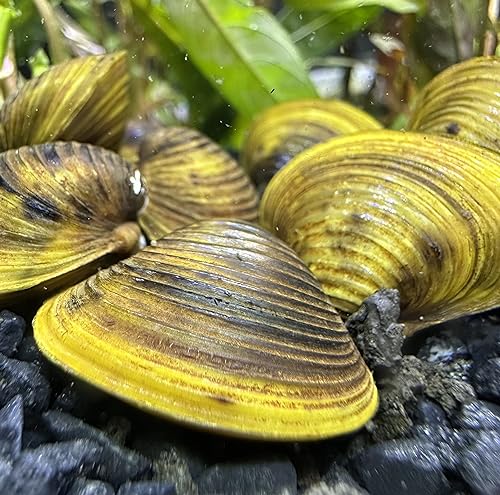
These clams function as live filters, consuming uneaten foods and detritus to help maintain a clean and clear aquarium. They are described as very peaceful and compatible with shrimp, plants, and non-aggressive fish. The black and tan shell color adds a natural look to the tank bottom. When keeping clams, ensure appropriate water flow and substrate to allow for easy movement of bio-waste toward the filtration area. Maintain stable parameters and avoid sudden changes in temperature or pH to support their health.
10 Baby Live Freshwater Clams: Pack of 10

This set mirrors the benefits of other freshwater clams by serving as biofilters that help clear water through natural feeding processes. The smaller pack size is suitable for users testing clam-keeping in a small to mid-sized tank. Like other clams, maintain a stable environment with appropriate salinity (in freshwater, salinity is not a factor) and ensure that substrate and movement are comfortable for the clams. Regular observation is advised to detect any changes in activity or shell condition.
API ACCU-CLEAR Freshwater Aquarium Water Clarifier

Water clarifiers help clump fine particles into larger clusters that can be removed by filtration. For aquariums housing clams and other filter-feeding invertebrates, clearer water can reduce clogging and improve visibility. Use as directed and avoid overuse, which can disrupt beneficial biofilms and bacterial colonies essential for a stable tank ecosystem. Pair with regular water testing to maintain a balanced environment for all inhabitants.
API TAP WATER CONDITIONER Aquarium Water Conditioner

Tap water conditioners are essential when setting up a new tank or performing routine water changes. They neutralize chlorine and chloramines and can protect gill tissue during acclimation. When introducing live clams or other invertebrates, start with small, gradual water changes and verify that treated water matches the tank’s temperature and pH to minimize stress on new arrivals.
Buying Guide: Key Purchase Considerations For Freshwater Clams
- Tank size and setup: Ensure an appropriate bottom substrate and gentle water flow. Clams do best in setups with plants or décor that provide cover and microhabitats.
- Species compatibility: Clams are generally peaceful; verify compatibility with current fish, shrimp, and other invertebrates to avoid stress or predation.
- Water parameters: Maintain stable temperature, pH, ammonia, nitrite, and nitrate levels. Sudden changes can stress or harm clams and other invertebrates.
- Filter feeding needs: Clams are filter feeders, so good filtration and aeration are important. Excess detritus should be removed, but avoid over-cleaning biofilms that clams rely on.
- Feeding and care: While clams primarily depend on natural detritus, moderate feeding events and overall tank cleanliness help keep the system balanced.
- Health monitoring: Look for healthy shell coloration and active movement along the substrate. Avoid overcrowding to reduce stress and competition for resources.
- Arrival considerations: Live animals require careful acclimation. Use a gradual drip acclimation process and monitor behavior for the first 24–48 hours.
- Maintenance plan: Schedule regular water changes, filter maintenance, and parameter testing to sustain long-term health of clams and cohabitants.
- Alternative care products: Water conditioners and clarifiers can support stable conditions but should be used in accordance with tank needs and product guidelines.
Freshwater clams offer natural filtration and understated beauty, contributing to aquarium clarity when paired with stable water conditions and proper tank mates. The products listed here emphasize live bell filter feeders and essential aquarium care items to help maintain a healthy, thriving freshwater environment.