Floating aquarium plants offer natural shade, help control nutrients, and create a lush, sustainable environment for fish and shrimp. This guide highlights five high-quality floating plant options available on major retailers, focusing on leaf count, color, growth habits, and care needs. Use these picks to craft a thriving surface cover that boosts water quality and visual appeal.
| Product | Brand | Leaves/Size | Key Benefit |
|---|---|---|---|
| Aquarigram 40+ Leaves Red Root Floaters | Aquarigram | 40+ leaves | Balanced aquarium, removes toxins |
| Red Root Floater Live Plant (Phyllanthus Fluitans) 4 oz | Generic | 40+ leaves | Distinct red underside, carpet look |
| Water Spangle Salvinia Minima | Aquarium Plant Center | 24 plants, 120+ leaves | Low maintenance, good surface coverage |
| Aquarigram 20+ Leaves Frogbit | Aquarigram | 20+ leaves | Filters nutrients, easy to care for |
| Ultimate Floating Plant Bundle | Shore Aquatic | Duckweed, Red Root Floaters, Salvinia | Natural water filtration, diverse texture |
Aquarigram 40+ Leaves Red Root Floaters

Brand: Aquarigram
Includes a mystery bonus plant and ships with a combined total of 40 leaves or more. These floaters help promote a healthier, balanced aquarium by assisting in the removal of ammonia, nitrates, and heavy metals, while offering visual interest with their dense leaf coverage.
Red Root Floater Live Plant (Phyllanthus Fluitans) 4 oz Cup
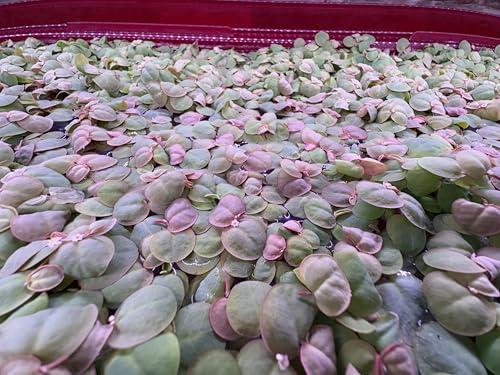
Brand: Generic
Contains at least 40+ healthy leaves for immediate use. Features red-purple undersides with green tops, creating an attractive floating carpet. Thrives under moderate to high light but prefers gentle water flow and limited surface agitation to prevent leaf scuffing.
30+ Leaves Red Root Floaters (+Free Bonus) 2 Day Arrival
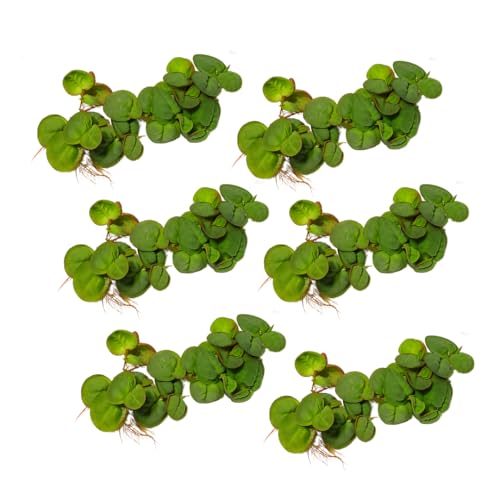
Brand: Shore Aquatic
Ships with 30+ leaves and a mystery bonus plant. Floating leaves help absorb nutrients and reduce algae blooms, while offering a striking mix of green and red tones at the water surface. Best in setups with stable lighting and gentle water movement.
Water Spangle Salvinia Minima

Brand: Aquarium Plant Center
Comes with 24 plants and over 120 leaves, designed to cover surface quickly. Suitable for low to medium light and calm water. Note: Temperature considerations may affect availability, and high surface agitation should be avoided for best growth.
Ultimate Floating Plant Bundle

Brand: Shore Aquatic
This collection combines duckweed, red root floaters, and salvinia for a diversified floating display. It doubles as a natural biofilter, with duckweed capable of processing large volumes of water. Easy care, thrives with basic lighting, and requires no soil.
Buying Guide: Key Purchase Considerations And Comparisons
- Light requirements: Most floating plants prefer moderate to bright light, but red-root floaters can intensify color with higher light. If your tank has low light, choose hardier, low-light options like Salvinia or duckweed.
- Water flow and surface agitation: High surface movement can damage delicate leaves. Opt for gentle flow or place plants where surface ripples are minimized to maintain leaf integrity.
- Growth rate and maintenance: Some species spread rapidly and may require regular thinning. Decide if you want a fast-growing carpet or a slower, controlled spread.
- Nutrient effects: Floating plants compete with algae for nutrients, helping to stabilize water quality. They also remove ammonia and nitrates, contributing to a healthier aquarium.
- Aesthetic considerations: Color and texture vary from green to red to variegated leaves. A mix (as in Ultimate Floating Plant Bundle) can create a dynamic surface for visual appeal.
- Temperature compatibility: Most tropical aquatic floaters prefer consistent warm temperatures. Ensure compatibility with your tank’s heater and seasonal changes.
- Compatibility with other plants and tank inhabitants: Floating plants generally coexist well with rooted plants and most fish, but aggressive grazers may munch at new growth.
- Maintenance approach: Some bundles include bonus plants; monitor for deterioration or pests and trim as needed to sustain a balanced habitat.