Floater plants are essential for many freshwater aquariums. They provide shade, reduce surface glare, help modulate light, and contribute natural nutrients uptake. This guide highlights five top floating plant options, describing who they’re best for, why they’re chosen, and important cautions. Whether you’re a beginner setting up a shrimp tank or an experienced keeper aiming for a lush display, these floating varieties offer practical benefits and visual appeal.
| Product | Best For | Key Benefit |
|---|---|---|
| Aquarigram 60+ Leaves Red Root Floaters | Beginners to advanced aquarists seeking quick coverage | Dense leaf coverage; adds red-root accent |
| Red Root Floater (60+ Leaves) | Colorful focal carpet | Distinct red-purple undersides, vibrant top leaves |
| Live Red Root Floater (80+ Leaves) — Midnight Glo | Low-light friendly displays | Deep red coloration under light; supports water quality |
| 30+ Leaves Red Root Floater (Shore Aquatic) | Budget-friendly starter carpet | Includes possible mystery bonus plant; strong ammonia/nitrate removal |
| Salvinia Minima (Water Spangles) | Surface-matting visuals; delicate green coverage | Dense surface mat; low to medium light tolerant |
Aquarigram 60+ Leaves Red Root Floaters

Features include a combined total of 60 leaves or more, promoting a balanced aquarium by helping remove ammonia, nitrates, and heavy metals. Live-arrival guarantee supports new shipments. Best for hobbyists needing rapid surface coverage and a striking red-root contrast against greener aquatic foliage.
Who it’s best for: those seeking immediate visual impact and robust nutrient uptake. Caution: monitor for surface agitation, as excessive movement can stress delicate floating leaves.
Red Root Floater Live Aquarium Plants, Phyllanthus Fluitans (60+ Leaves)
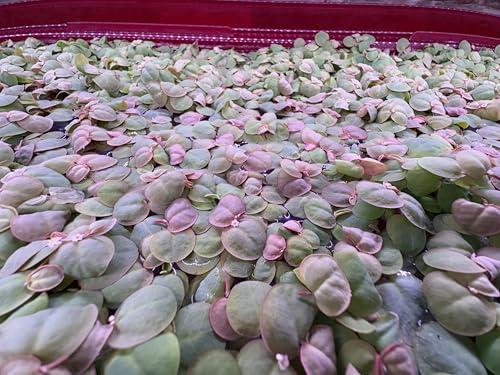
This option features at least 60 healthy leaves in a 4oz cup, with distinctive red-purple undersides and green tops. It thrives under moderate to high light and prefers gentle water flow. Best for creating a floating carpet with bold color accents.
Who it’s best for: hobbyists who want a vivid, color-rich carpet. Caution: heavy surface agitation can hinder leaf health; provide calmer water flow when possible.
Live Red Root Floater Aquarium Plant (80+ Leaves) — Midnight Glo

Premium floating plant with round leaves and vibrant red roots, suitable for shrimp tanks, Betta tanks, and general freshwater setups. It performs well in low to moderate light, developing deeper red coloration with increased lighting. It also contributes to natural nutrient uptake to support water quality.
Who it’s best for: anyone wanting a striking red-root focal point and enhanced filtration through nutrient absorption. Caution: best results with balanced lighting to maintain color intensity.
30+ Leaves Red Root Floater — Shore Aquatic
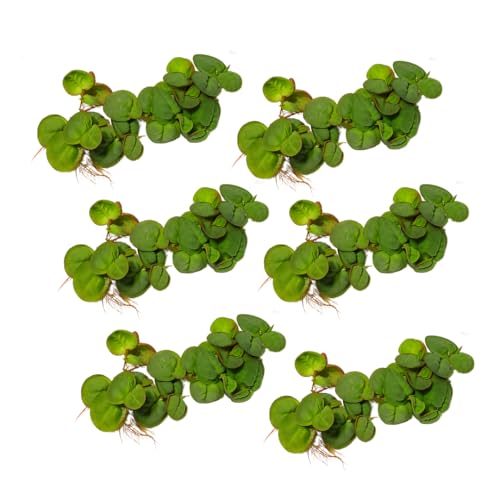
Contains at least 30 leaves, plus a mystery bonus plant. It helps remove ammonia and nitrates, contributing to a balanced aquarium. Best for hobbyists seeking a cost-effective carpet with potential surprises. Caution: limited data on long-term stability in highly turbulent setups.
Giant Duckweed, Spirodela Polyrhiza — Aquarium Plant Center

Floating plant that covers water surfaces with broad, compact blades. It’s low-demand and suitable for medium to low light. This option helps shade the water and reduces light penetration, which can benefit algae control in some setups. Best for: creating a natural surface mat with minimal care.
Caution: temperature sensitivity may affect growth; avoid abrupt changes that could stress the plants.
Water Spangle Salvinia Minima — Aquarium Plant Center

Salvinia Minima forms a dense surface mat that thrives in low to medium light. It adds texture and helps reduce surface reflection. Best for aquariums needing a soft, fast-growing mat around plantings. Caution: can spread aggressively in favorable conditions; manage growth to prevent overshadowing other plants.
Buying Guide: Key Considerations For Floating Aquarium Plants
- Light needs: Most floaters tolerate low to moderate light, but color-rich plants like red root floaters often require brighter lighting to display their hues.
- Water flow: Gentle currents favor healthier floating leaves. Excessive surface agitation can damage delicate leaves and hinder root development.
- Tank size and coverage: Choose plants that can quickly cover the surface or fill spaces as desired. Dense mats aid shading and nutrient uptake.
- Water quality benefits: Floater plants can help reduce nitrates and ammonia, but they also require regular trimming to prevent overgrowth.
- Compatibility: Consider whether the plant will coexist with shrimp, Bettas, or small fish, and whether the color or leaf shape complements other aquascaping elements.
- Maintenance: Some species, like Salvinia, may require periodic thinning to prevent overgrowth in well-lit tanks.
FAQ
- Q: Do all floater plants require high light? A: No. Many thrive in low to moderate light, but color intensity and growth are enhanced with brighter light.
- Q: Will floating plants help with water quality? A: They can absorb ammonia and nitrates but should be part of a broader water management plan including regular water changes and filtration.
- Q: Can I use floaters in a shrimp tank? A: Yes, many floaters are compatible, though be mindful of space for shrimplets and feeding behavior.
- Q: How quickly do floater plants spread? A: Growth rate varies by species and light; some spread rapidly under favorable conditions, while others grow more slowly.
- Q: Are there risks with temperature changes? A: Sudden temperature swings can stress floating plants; maintain a stable tank environment.
- Q: Should I trim floating plants? A: Regular trimming helps prevent shading of other plants and keeps the surface balanced for gas exchange.