Getting the water changes done quickly and reliably is essential for a healthy aquarium. This guide highlights five reliable fish tank water changer tools that simplify siphon cleaning, gravel suction, and water replacement. It’s ideal for beginners who want simple, effective kits and for experienced hobbyists who value efficiency. Each product below is described with who it’s best for and why it stands out, plus practical cautions to consider before buying. A quick summary table follows to help you compare at a glance.
| Product | Best For | Why It Stands Out |
|---|---|---|
| Python No Spill Clean and Fill | Busy hobbyists; large tanks | Comprehensive system; full maintenance workflow in minutes |
| Tetra Water Cleaner Gravel Siphon | Smaller to mid-size tanks; beginners | Simple gravel siphon with straightforward operation |
| hygger 360GPH Gravel Cleaner | Flexible, fully adjustable cleaning | 4-in-1 functionality; adjustable height and powerful flow |
| UPETTOOLS 6-in-1 Gravel Cleaner | All-in-one versatility | Six functions; aquarium compatibility across freshwater and saltwater |
| enomol 30ft Gravel Vacuum | Medium to large tanks; want longer reach | Long hose with built-in filter; quick water changes |
The table above highlights five options that balance ease of use, versatility, and practical value for most home aquariums. The selections emphasize products designed for effortless water changes, gravel cleaning, and debris removal, while keeping the process quiet and low-disruption for fish.
Python No Spill Clean and Fill Aquarium Maintenance System

The Python system is designed to minimize manual handling during water changes. It aims to replace heavy buckets and siphons with a faucet-based setup that connects to most standard taps.
- Best for: Aquarium owners seeking a hands-off approach and quick routine maintenance.
- Why selected: Combines water changing, gravel cleaning, and refill in one workflow, reducing repetitive steps.
- Caution: Setup may require faucet adapters; ensure compatibility with your faucet type before purchase.
Reference features indicate a complete ready-to-use kit including hose, gravel tube, switch, hose connectors, faucet pump, and adapter. This supports efficient, semi-automatic water changes, making it a practical choice for those who schedule regular maintenance in busy routines.
Tetra Water Cleaner Gravel Siphon for Aquariums
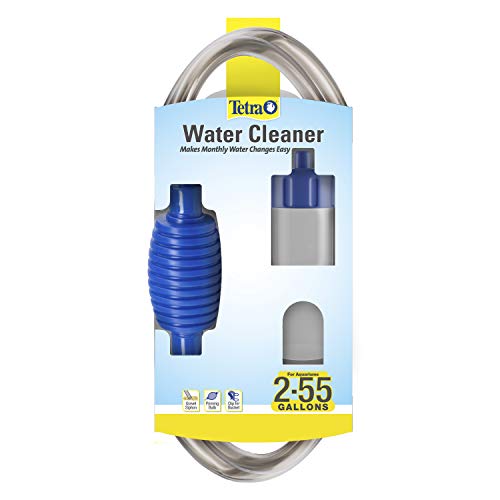
This gravel siphon is designed for ease of use on freshwater aquariums up to 55 gallons. It helps perform monthly changes by facilitating a 30% water replacement in about 30 minutes.
- Best for: Beginners or hobbyists with smaller tanks who want a simple, reliable siphon.
- Why selected: Straightforward operation and compatibility with common home aquariums.
- Caution: May require manual priming and monitoring to avoid disturbing delicate substrates in heavily planted tanks.
enomol Gravel Vacuum for Aquarium Water Changer (30ft)

This long-hose vacuum is suited for larger tanks or setups where reach matters. It emphasizes quick water changes, a built-in filter in the cleaning tube, and minimal disruption to fish activity.
- Best for: Medium-to-large tanks needing extended reach and quick changes.
- Why selected: The included filter helps limit debris being sucked out, protecting inhabitants during cleaning.
- Caution: Longer hoses can be more cumbersome to manage; ensure the setup fits your tank position and cabinet space.
hygger 360GPH Electric Gravel Cleaner
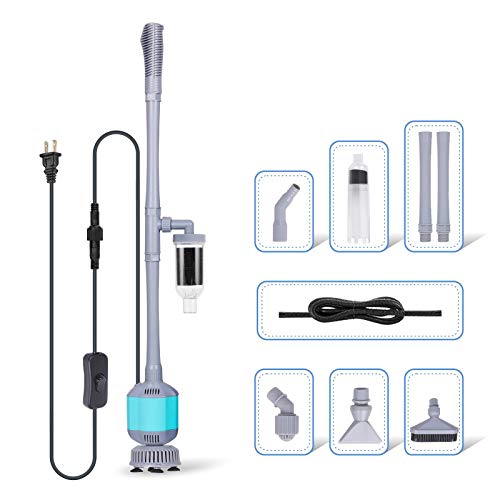
This 5-in-1 tool provides a powerful cleaning and water change capability with an adjustable height and flexible head. It covers hard-to-reach corners and can filter debris through a built-in housing.
- Best for: Aquarists needing versatile, adjustable cleaning with strong flow.
- Why selected: The 360GPH capacity supports faster water changes while maintaining substrate integrity.
- Caution: High flow may disturb very delicate shrimp or slow-growing plants; adjust flow as needed.
UPETTOOLS Aquarium Gravel Cleaner 6-in-1

The UPETTOOLS cleaner integrates multiple functions into a single device, including water changing, sand washing, debris removal, filtration, water showering, and flow control. It’s designed for both freshwater and saltwater tanks of varying depths.
- Best for: Hobbyists who want a multi-function tool in one package.
- Why selected: Six integrated capabilities reduce the number of separate devices needed for routine maintenance.
- Caution: Larger systems can have a steeper learning curve; start with gentle settings to prevent fish stress.
enomol Gravel Vacuum for Aquarium Water Changer (50ft)
This version extends the reach for larger installations, with similar quick-change and gravel-cleaning capabilities. It is suitable for efficiently managing large tanks.
- Best for: Large aquariums where a long hose improves workflow.
- Why selected: Similar semi-automatic operation as the 30ft variant but with greater reach and flexibility.
- Caution: Manage hose length to avoid excess suction strength that could disturb substrates too much.
Buying Guide: Key Considerations For Selecting A Water Changer
When choosing a fish tank water changer, consider tank size, hose length, ease of use, and whether you prefer all-in-one devices or modular tools. If you maintain a small tank with light debris, a simple siphon may suffice. For larger tanks, semi-automatic or fully automatic systems save time and reduce spill risk. Ensure compatibility with your faucet type for quick setup and check for noise level and fish safety when using high-flow devices.
What’s the right choice for my tank size?
Small tanks (under 20 gallons) typically benefit from straightforward siphons or compact gravel cleaners. Medium tanks (20–40 gallons) can use mid-length hoses and flexible heads. Large tanks (over 40 gallons) often benefit from semi-automatic systems or longer hoses to reach corners without carrying water across the room.
Should I prioritize all-in-one or separate tools?
All-in-one devices reduce clutter and simplify maintenance, but separate tools can offer specialized performance for gravel cleaning and water changes in larger setups. Choose based on how often you perform maintenance and how much space you have for equipment storage.
Are there safety considerations for fish and plants?
Use adjustable flow to prevent stressing fish or disturbing delicate plants. Avoid sudden changes in water parameters by staggering water changes and ensuring dechlorinated water is used. Built-in filtration and screens reduce the risk of accidentally siphoning fish or substrate.
What features help with noise and mess?
Quiet pumps, filtered intake, and leak-resistant fittings minimize noise and spills. Long hoses with secure connectors help keep drips away from the floor and furniture.
How important is hose length?
Longer hoses extend reach for larger tanks or setups with distant outlets. However, longer hoses may require more careful handling to avoid kinks or reduced flow. Choose a length that matches your tank footprint and cabinet layout.
FAQ
- Q: Do I need a separate bucket if I use a Python No Spill system? A: The system minimizes bucket use, but you may still have a bucket handy for temporary storage or acclimation steps.
- Q: Can these tools work for saltwater tanks? A: Many models are designed for both freshwater and saltwater, but verify saltwater compatibility in product specs before buying.
- Q: How often should I perform water changes? A: Routine changes depend on tank bioload and plant life; a typical guideline is 10-30% every 1-2 weeks.
- Q: Will these disrupt beneficial bacteria? A: Gentle, controlled water changes generally support stable bacteria populations when done progressively.
- Q: Is adjustable flow necessary? A: Yes, adjustable flow helps tailor cleaning to substrate type and fish sensitivity.
- Q: Do any of these require electricity? A: Some models include powered pumps; others rely on siphon action or gravity, depending on design.