Maintaining a healthy aquatic habitat often hinges on simple, reliable tools. A fish tank hand pump, or siphon, makes gravel cleaning and partial water changes quick and mess-free. The following hand-pump options are popular for freshwater setups, offering efficient suction, built-in safety features, and minimal setup. This guide highlights five top picks with clear features to help you choose the right fit for your aquarium.
| Product | Key Benefit | Ideal For |
|---|---|---|
| Tetra Water Cleaner Gravel Siphon for Aquariums | Simple cleaning, compatible up to 55 gallons | Small to medium tanks |
| Luigi’s Fish Tank Cleaner | One-way valve for less mess, fish-safe filter | Regular water changes |
| AQUANEAT Aquarium Vacuum Siphon | Easy operation, safe for small fish | Gravel cleaning with quick start |
| Waifoter Aquarium Gravel Vacuum Cleaner (5ft) | Versatile, no electricity required | Deep or larger tanks |
| Waifoter 7ft Aquarium Gravel Vacuum Cleaner | Extended reach, thorough debris removal | Large tanks or hard-to-reach areas |
Choosing the right hand pump depends on tank size, ease of use, and how it protects aquatic life. Below are detailed product sections to help you compare capabilities and make an informed purchase.
Tetra Water Cleaner Gravel Siphon for Aquariums
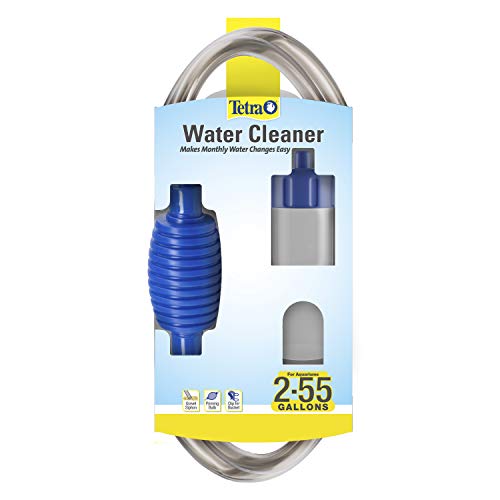
The Tetra Gravel Siphon is designed to simplify routine tank upkeep. It supports aquariums up to 55 gallons and is marketed to streamline monthly water changes. The device helps remove waste and debris from gravel, facilitating a 30% water change in about 30 minutes. This model emphasizes ease of use, with straightforward assembly and operation that many beginners find approachable. Its compatibility with common freshwater setups makes it a practical choice for regular maintenance without specialized equipment.
Luigi’s Fish Tank Cleaner

Luigi’s Fish Tank Cleaner focuses on minimizing mess while performing water changes. It features a sturdy one-way valve to reduce drips and can clear roughly 30 liters quickly. The design includes an attachment that filters material as it passes through gravel, helping to remove leftover food, fish waste, and toxins. The product emphasizes safety for small aquatic life, with a built-in filter to prevent accidental suction of fish or invertebrates during cleaning. This makes it suitable for tanks housing shrimp, snails, or small fish that require gentler handling.
AQUANEAT Aquarium Vacuum Siphon

AQUANEAT offers a user-friendly vacuum siphon for both draining and refilling. To start the flow, place the nozzle and hose in the tank and squeeze the pump bulb multiple times. The device is designed to be safe for fish, featuring a filter screen that prevents fish from being sucked up and is suitable for small species such as bettas, guppies, and dwarf cichlids. With straightforward operation and a focus on gentle handling of aquatic life, this model suits hobbyists who want quick, reliable water changes without risk to their fish.
Waifoter Aquarium Gravel Vacuum Cleaner (5ft)

This Waifoter model combines gravel cleaning with water changing in a compact design. The hand pump creates strong siphon action, enabling efficient debris removal without electricity. It is positioned as a versatile tool for routine tank maintenance, especially in setups where a simple manual method is preferred. Users benefit from its ability to clean between substrate grains while maintaining beneficial bacterial colonies essential for a healthy aquarium environment.
Waifoter 7ft Aquarium Gravel Vacuum Cleaner

The longer reach of the 7ft Waifoter model makes it adaptable for larger tanks or hard-to-reach areas. It functions as both a gravel vacuum and a water changer, using a hand pump to generate siphon action. The design emphasizes thorough cleaning, helping remove waste trapped between gravel and sand while preserving beneficial bacteria. This option is well-suited for aquariums where substrate depth or tank dimensions require extended reach during maintenance.
Buying Guide: Key Considerations For Choosing A Fish Tank Hand Pump
When selecting a hand pump for aquarium maintenance, consider tank size, substrate type, and keeper preferences. First, assess your tank volume: larger tanks benefit from models with longer hoses and stronger siphon action to cover more water quickly. Substrate type matters as well; fine gravel requires a gentler lift to avoid stirring up settled debris, while sand may need a slightly different nozzle design to prevent clouding.
Safety features are important, especially for tanks with small fish or invertebrates. Look for built-in filters or guards that prevent accidental suction of livestock. A one-way valve reduces drips during transfers, aiding in a cleaner maintenance process. Ease of use is another priority; squeeze bulbs, hoses, and nozzles should be intuitive, and setup ought to require minimal adjustments between water changes.
Maintenance reliability is essential for ongoing use. Consider models with sturdy materials, durable hoses, and leak-free seals. Compatibility with different water changes—both draining and refilling—helps in maintaining stable water parameters. Some users prefer non-electric solutions to avoid power dependence and to reduce noise. Lastly, consider accessories such as extendable hoses or extra filters that improve versatility for various tank habitats.
Depth of usage is another factor: hobbyists with larger or more complex setups may prefer longer reach models to minimize water disturbance in the display tank. For beginners, a straightforward design with clear start-up instructions can reduce the learning curve. In all cases, verify that the selected pump is designed for aquarium use and safe with the fish and invertebrates present.