Yes—these fish tank cube cleaners are designed to simplify maintenance for freshwater setups. This guide highlights five effective options, each best for a specific cleaning need—from gravel changes to glass scrubbing. Ideal buyers include beginners seeking quick, reliable tools, hobbyists tackling algae, and owners of nano or larger cubes who want safer, hands-free options. Below is a quick reference table to compare core uses and fits.
| Product | Brand | Best For | Notes |
|---|---|---|---|
| Tetra Water Cleaner Gravel Siphon | Tetra | Regular water changes in up to 55-gallon tanks | Simple siphon for gravel cleaning |
| DaToo Aquarium Mini Magnetic Scrubber | DaToo | Effortless glass cleaning without wet hands | Strong NdFeB magnet, fast results |
| AQUANEAT Double-Sided Sponge Brush | AQUANEAT | Algae removal and tank brushing | Long handle, durable construction |
| QZQ Aquarium Gravel Cleaner 2026 Edition | QZQ | Multi-function gravel and sand cleaning | Press-and-clean, no electricity |
| AQQA Magnetic Glass Cleaner (M) | AQQA | Small to mid-thick glass tanks | Dual blades, float-up design |
Tetra Water Cleaner Gravel Siphon for Aquariums
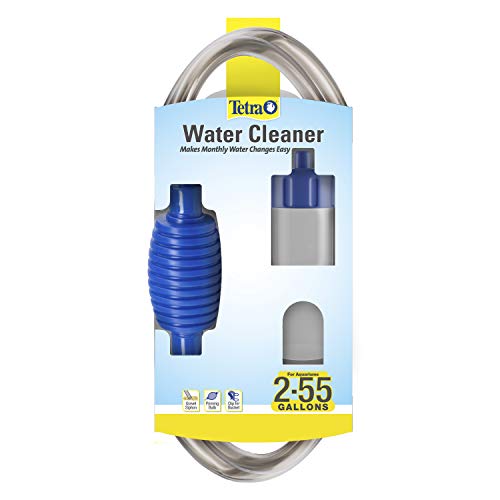
The Tetra Water Cleaner is a gravel siphon designed to simplify routine maintenance in freshwater tanks. Best for hobbyists who perform monthly water changes and want a quick path to replacing 30% of tank water. It is suited for aquariums up to 55 gallons and supports a straightforward connected workflow to gravel cleaning. Use this if you prefer a single tool that handles both water changes and substrate maintenance with minimal setup.
Who it’s best for: Beginners seeking an easy entry into routine cleanups, and aquarists with mid-sized cubes who perform monthly water refreshment.
Pros: Simple operation, designed to fit common freshwater tanks, accelerates water changes.
Limitations: May require manual handling for deep substrates or heavily planted setups.
DaToo Mini Magnetic Scrubber Scraper

The DaToo Mini Magnetic Scrubber is a compact glass-cleaning solution featuring a super-strong NdFeB magnet and dual cleaning surfaces. Best for small to mid-sized cube tanks where hands-free scrubbing is valued. The kit claims fast, efficient cleaning with a non-woven fabric cleaning pad on one side and an abrasive pad on the other. It suits hobbyists who want to avoid wet hands during routine glass maintenance.
Who it’s best for: Small cube or nano tanks, and owners who prioritize rapid, hands-free glass cleaning.
Pros: Strong magnet, two-sided cleaning options.
Limitations: Effectiveness can depend on tank glass thickness; magnets may be harder to work with in very thick panes.
AQUANEAT Double-Sided Sponge Brush

The AQUANEAT double-sided sponge brush combines algae-scraping capability with a sponge-brush on a long handle. Best for tanks where algae buildup on glass is common and a gentle, durable cleaning action is desired. The long handle helps avoid wet hands and reduces disturbance to fish and décor. It’s a practical choice for mid-sized cubes that require regular, non-abrasive brushing.
Who it’s best for: Anyone maintaining tanks with visible algae on the glass and a preference for a simple, hand-held tool.
Pros: Long handle, versatile cleaning surfaces.
Limitations: Not ideal for acrylic or flexible plastic panels.
QZQ Aquarium Gravel Cleaner 2026 Edition
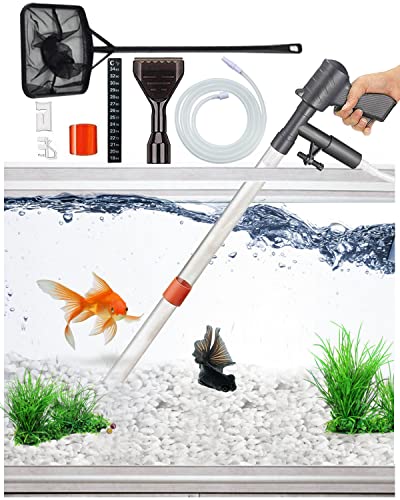
The QZQ Gravel Cleaner is a multifunction kit designed for convenient gravel and sand cleaning, along with water changes. Best for users who want a single tool to handle vacuuming, debris removal, and water changes without electricity. It employs a manual press design and a filter-net-equipped suction path to minimize fish or substrate loss. Suitable for quick, controlled cleanups in varied cube sizes.
Who it’s best for: Aquarium keepers seeking a versatile, hands-on cleaner with no power requirements.
Pros: Multifunction design, simple to operate.
Limitations: Manual operation requires consistent pumping technique for best results.
AQQA Magnetic Glass Cleaner (M)

The AQQA Magnetic Glass Cleaner M is a dual-blade, floating glass cleaner designed for tanks with 0.2–0.4 inch glass thickness (size M). Best for slightly thinner glass where a floating, hands-free retrieval design reduces risk to fish and plants. This tool emphasizes ease of use and a corrosion-resistant build for routine glass maintenance.
Who it’s best for: Hobbyists with standard-glass cube setups and a need for simple magnet-based cleaning.
Pros: Dual sides, floating design to prevent water on hands.
Limitations: Not ideal for very thick glass or acrylic tanks.
Buying Guide: How to Choose the Right Cube Cleaner
What should I consider before buying?
- Tank size and glass thickness: Larger tanks or thicker glass may require stronger magnets or larger cleaning heads.
- Cleaning tasks: Do you need gravel siphoning, algae scrubbing, or glass cleaning? Pick tools that specialize in your primary job.
- Water change frequency: If you perform regular water changes, a gravel siphon or multi-function kit can save time.
- Manual vs. magnetic: Magnetic cleaners reduce wet hands exposure but require careful handling on thicker glass tabs.
- Acrylic compatibility: Some tools are designed for glass only. Check material compatibility if you have acrylic tanks.
What combination of tools works well?
For many cube setups, a gravel siphon for 30–60% monthly water changes plus a magnetic cleaner for quick glass maintenance offers a balanced approach. A long-handle sponge brush is a convenient backup for stubborn algae on larger cubes. Consider a multi-function cleaner for mixed tasks to reduce total clutter.
How important is ease of use and safety?
Ease of use reduces cleaning time and stress on livestock. Magnetic tools should be used with care around tank edges to avoid slips. Manual siphons require steady handling to prevent substrate disturbance.
Frequently Asked Questions
- What is the best clutter-free option for nano tanks?
Magnetic glass cleaners, especially compact models, work well for nano tanks where space and handling are critical.
- Can I use these tools on acrylic tanks?
- How often should I perform gravel cleaning?
- Are manual siphons safer for fish than electric pumps?
Manual siphons rely on gravity and user control, which can reduce accidental fish suction; always monitor suction and flow rate.
- What maintenance pattern helps extend cleaner life?
Some tools are designed for glass; avoid those unless specified as acrylic-safe, to prevent scratching.
Gravel cleaning frequency depends on tank bioload, but a monthly gravel siphon with partial water changes is common for many setups.
Rinse sponge or pads after use, check magnets for corrosion, and store cleaners dry to prevent mold or mildew.
Additional Tips for Cleaner Cube Maintenance
Coordinate tool use with your tank’s routine schedule. Keep a dedicated cleaning kit for your aquarium to streamline the process. Record any notable changes in algae or debris patterns to adjust your cleaning frequency over time.