Find the right filter media to keep your tank pristine and balanced. This guide highlights five reliable options suited for common aquarium setups, from biological media to mechanical pads and carbon adsorbents. Whether you maintain a freshwater community tank or a planted reef, these picks are chosen for clarity, flow compatibility, and ease of use. Best for beginners, best for pro setups, and best for low-maintenance systems are covered to help you decide quickly. The table below summarizes key details to compare at a glance.
| Product | Media Type | Best For |
|---|---|---|
| Fluval BioMax Biological Material Remover | Biological filter media | Biological filtration in Fluval canister and standard filters |
| ALEGI Aquarium Sponge Filter Pad | Sponge/mechanical filter media | Fine mechanical filtration and customizable sizing |
| Fluval Carbon Filter Media | Activated carbon | Water clarity, odor and color removal |
| Sukh Ceramic Rings | Ceramic bio-media | Continuous biological filtration and porosity |
| Aquatic Experts Classic Bonded Filter Pad | Bonded polyester filter pad | Pre-filtration and mechanical trapping in canister or sump systems |
Fluval BioMax Biological Material Remover
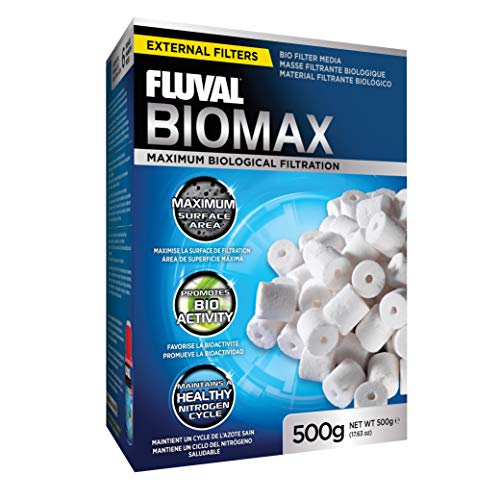
Best for established filter ecosystems in Fluval models. BioMax is a premium-grade biological media designed to enhance beneficial bacteria contact with water, helping to reduce ammonia and nitrate levels for a healthier nitrogen cycle. The porous design supports long-term stability in many Fluval canister and internal filters, promoting crystal-clear water in tanks with fish and plants.
Who it’s for: aquarists using Fluval 106/206/306/406 or FX series filters seeking enhanced biological filtration. It’s also a good choice for hobbyists aiming to reduce recurring water chemistry issues without frequent media replacement.
Caution: Do not rely on BioMax as the sole filtration method in heavily stocked or heavily rained tanks; ongoing mechanical filtration and water changes are still required. Ensure proper immersion by following Fluval’s compatibility notes for your model.
ALEGI Aquarium Sponge Filter Pad

Best for mechanical filtration in a customizable form factor. The high-density sponge captures suspended particles and debris while maintaining steady water flow. The material resists deformation and dissolution, providing durable filtration across long-term use in freshwater or saltwater tanks.
Who it’s for: hobbyists who want to tailor pad size to fit a wide range of filter configurations, including canister and hang-on-back systems. It’s also suitable as a primary mechanical filter for smaller or lower bioload tanks.
Caution: Cut precisely to fit to maximize flow and avoid bypass. In heavily bioloaded systems, pair with biological media for balanced filtration.
Fluval Carbon Filter Media
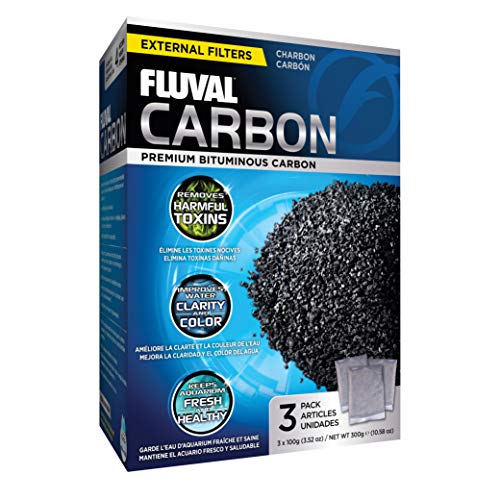
Best for water clarity and odor control. This premium carbon media provides large surface area for impurity absorption, helping remove dissolved compounds and improving color in the water. Note that carbon media should be removed during medication administration to avoid binding active ingredients to the carbon.
Who it’s for: aquarists seeking effective dechlorination and odor control in freshwater tanks, especially when adding ornamentals or after feeding heavy organic loads. It’s a strong complement to biological media but should be cycled with caution in heavily planted tanks.
Caution: Do not leave carbon media in place during medication dosing; replace or remove temporarily as directed to prevent adsorption of treatment chemicals.
Sukh Ceramic Rings
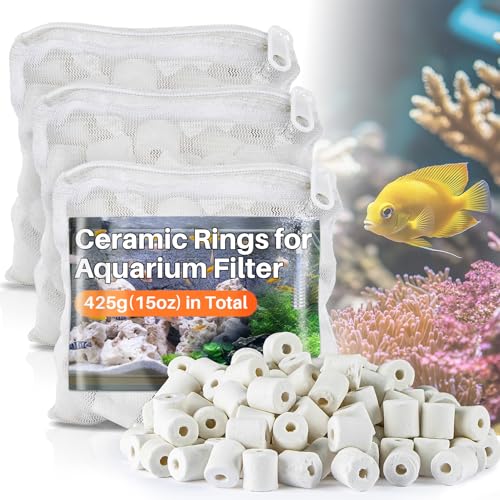
Best for continuous biological filtration. Ceramic rings feature a porous structure that expands the surface area available for beneficial bacteria to colonize, promoting stable nitrification and ammonia processing. They work well across freshwater and saltwater setups and are compatible with many canister and built-in filters.
Who it’s for: aquarists seeking long-term, stable bio-filtration in moderate bioload tanks. This media is particularly suitable for hobbyists who want a low-maintenance, slow-release biological option.
Caution: Porosity helps with bacteria growth but may increase flow resistance over time if not cleaned or replaced as part of a routine maintenance schedule.
Aquatic Experts Classic Bonded Filter Pad

Best for pre-filtration and debris trapping in freshwater or saltwater systems. This 12×72-inch bonded polyester pad is cut-to-fit and designed to maintain water flow while capturing floating debris. The durable fibers resist premature wear, and the open fiber construction supports continued filtration without frequent clogging.
Who it’s for: canister and sump users seeking an affordable, cut-to-fit media option that reduces particle load before reaching biological and chemical media. It’s also a good starter pad for new tanks needing reliable prefiltration.
Caution: Pre-cut sizing requires careful measurement to avoid gaps where debris can bypass. Combine with carbon or bio-media for balanced filtration if needed.
MAQIHAN Aquarium Filter Pad
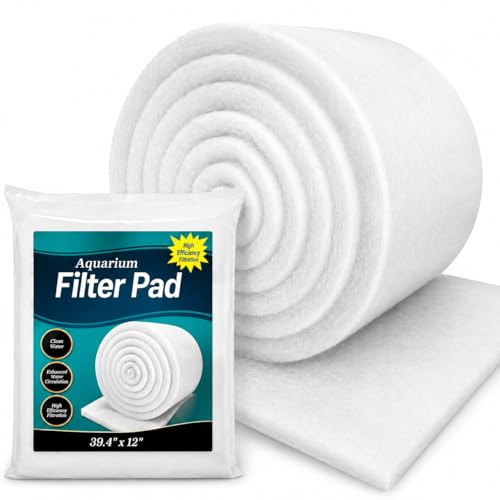
Best for universal polishing and filtration. The MAQIHAN pad provides superior filtration with high-density fibers that remove sediment while promoting water flow. It’s designed to fit a range of canister and hang-on-back systems and can be cut to fit specific tank dimensions.
Who it’s for: hobbyists who want a versatile pad that works across freshwater and saltwater tanks and can be sized to fit unusual filter shapes. It serves well as a polishing pad in combination with biological media.
Caution: Like other mechanical media, regular rinsing is needed to prevent clogging and maintain flow efficiency over time.
Buying Guide: Key Purchase Considerations
What media type is best for your tank? Biological media houses beneficial bacteria; mechanical media traps debris; carbon media improves clarity and odor. In most setups, a combination of media types yields the best balance between water quality and maintenance load.
What filter system do you use? Match media to your filter’s compatibility and design. Some media are explicitly made for Fluval or Aquatic Experts systems; others are universal but require trimming or fitting.
How often should media be replaced or cleaned? Biological media typically lasts long but needs periodic rinsing; mechanical media should be cleaned or replaced when flow slows. Carbon media is often replaced after 1–3 weeks to maintain effectiveness and avoid adsorbing beneficial compounds unnecessarily.
Tank size and bioload matter. Heavily stocked tanks need media that supports faster nutrient processing, while low bioload systems can rely longer on durable media like ceramic rings or sponge pads.
Maintenance routine. Establish a schedule that includes partial water changes, media inspection, and system checks. Always rinse new media before first use to remove dust or manufacturing residues.
FAQ
- What media should I use first in a new tank? Start with a mechanical filter pad or sponge to capture debris, then add biological media to establish beneficial bacteria colonies.
- Can I mix media types in the same filter? Yes. A common approach is mechanical one stage, biological another, followed by carbon or other chemical media if needed.
- How often should carbon media be replaced? Carbon media typically needs replacement every few weeks to maintain adsorptive effectiveness and prevent saturation.
- Is ceramic bio-media better than sponge media? Ceramic media offers high porosity for bacteria and is more stable long-term, while sponge media provides strong mechanical filtration and easy customization.
- Do I need to rinse new media before use? Yes. Rinse to remove dust, fines, and any manufacturing residues before adding to the filter.
- Can I use these media in saltwater tanks? Most media listed are suitable for both freshwater and saltwater, but verify compatibility with your specific filtration system and adjust maintenance accordingly.