Answering the needs of aquarium owners, these electric siphon pumps and gravel cleaners simplify water changes, substrate cleaning, and debris removal. Designed for hobbyists with tanks ranging from small desktops to larger setups, these tools are ideal for anyone seeking faster, more consistent maintenance. Best for busy fish keepers, beginners needing reliable cleanup, and experienced hobbyists seeking a multi-function device for weekly upkeeps. Below is a quick buying guide and five carefully selected products that cover different tank sizes, power needs, and workflows. A quick summary table of the top picks follows.
| Product | Best For | Key Benefit |
|---|---|---|
| fishands Electric Aquarium Gravel Cleaner | Medium to large tanks | 3-stage adjustable suction for precise cleaning |
| hygger 360GPH Electric Gravel Cleaner | Versatile, fast water changes | 4-in-1 with long reach |
| UPETTOOLS Aquarium Gravel Cleaner | All-in-one maintenance | 6-in-1 with powerful flow control |
| HACPUT Cordless Aquarium Vacuum | Deep or large tanks | Cordless, strong suction |
| AQQA Electric Aquarium Gravel Cleaner | Small to medium tanks | 6-in-1 with filter cup upgrade |
Fishands Electric Aquarium Gravel Cleaner

The Fishands Electric Aquarium Gravel Cleaner combines a siphon and water changer into a single tool with a 3-stage adjustable suction system. This 1cm water cleaning approach targets debris and fish waste without disturbing beneficial bacteria. It’s designed for tanks from 2 to 100+ gallons, making it suitable for a wide range of home aquariums. The device includes gravel-cleaning nozzles and water-change functionality, enabling rapid maintenance in a single session.
Best for: Aquarists who want a versatile, all-in-one maintenance tool for mid-to-large tanks. The 3-stage suction is ideal for adjusting cleaning intensity to different substrates and waste loads. Choose this if you prefer an integrated siphon with a built-in water changer for regular maintenance tasks.
Caution: The unit relies on an electric motor near water. Ensure all connections and hoses are properly sealed to prevent leaks and follow the manufacturer’s assembly instructions for safe operation.
Hygger 360GPH 5-in-1 Electric Gravel Cleaner
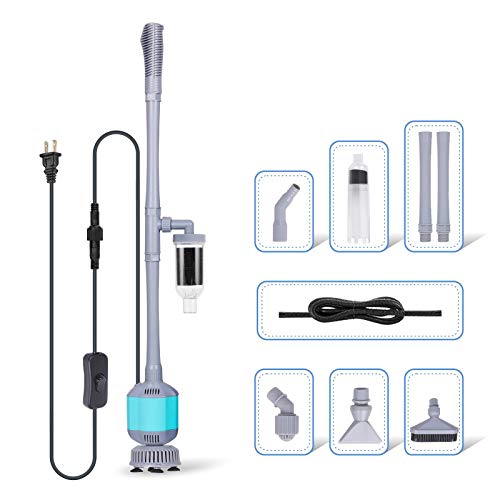
The Hygger model offers a robust 360 GPH flow with four spliced tubes that extend from 11.4 inches to 40.5 inches, allowing precision work in tall tanks. Its standout features include a duckbill suction port for corner cleaning and a high head for rapid water changes. The device integrates a filtration stage to return clean water while capturing debris. Its adjustable depth and direction support efficient gravel cleaning and sand washing without excessive disruption to beneficial bacteria.
Best for: Tank owners who need rapid water changes and thorough cleaning in larger or deeper aquariums. The 4-in-1 design makes it suitable for routine maintenance and more thorough substrate care. Choose this if you want a longer reach and strong performance with built-in filtration support.
Caution: The device includes a powerful pump; operate at appropriate suction levels to avoid pulling in larger debris that could stress fish or disturb delicate substrates.
UPETTOOLS 6-in-1 Aquarium Gravel Cleaner

The UPETTOOLS unit integrates six functions in one motion: water changing, sand washing, debris removal, water filtration, water showering, and flow control. It’s designed for both freshwater and saltwater tanks with adjustable flow, providing precise cleaning for various tank depths. A 28W motor delivers up to about 1700 L/H, making it suitable for moderately sized setups that require faster water turnover and efficient substrate maintenance.
Best for: Aquarists who value a 6-in-1 multifunction tool with strong flow and adjustable suction. Choose this if you regularly perform water changes and sand washing in mixed-tosaltwater environments. It’s a good all-around option for frequent maintenance.
Caution: Ensure the device is fully submerged during operation to prevent overheating and to maintain optimal suction performance.
ONESAM Food-Grade Water Transfer Siphon Pump
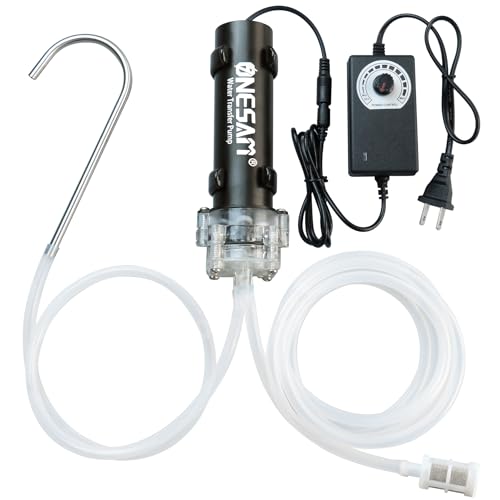
The ONESAM model is a food-grade electric siphon pump designed for safe liquid transfer with up to 2 L/min flow. While marketed for home brewing and general liquid transfer, it doubles as an aquarium transfer tool for water changes and refills. Its copper motor and aluminum housing provide durability and quiet operation, making it a solid option for small to medium tanks where precise, low-noise pumping is valued.
Best for: Small-to-medium tanks or hobbyists who need a quiet, compact transfer pump that can handle water changes and other liquid movements. Opt for this if you want a general-use, food-grade option that doubles as an aquarium transfer tool.
Caution: Not all features are tailored specifically to heavy aquarium debris. It may be less effective on large particulates or dense sediment compared to dedicated aquarium gravel cleaners.
Yaubay 132GPH Manual Gravel Cleaner

The Yaubay cleaner offers a compact, manual approach with a duckbill suction port for debris, built-in filter sponge for sand washing, and simple water-changing via a handle button. It provides adjustable water flow through a wheel mechanism and includes a six-foot hose with a bucket clip, designed for easy containment of splashes. Ergonomic and simple to use, it’s a practical option for smaller or desktop tanks where hands-on control is preferred.
Best for: Small to medium tanks where a manual option is acceptable or desirable as a backup to electric models. Choose this if you want straightforward operation and a compact footprint for tight spaces.
Caution: Manual operation requires more hands-on work and may take longer for larger tanks or heavy debris loads.
HACPUT Cordless 6-in-1 Aquarium Vacuum

The HACPUT cordless unit combines six cleaning functions in a portable design with a 36W motor. It supports water changes, gravel vacuuming, sand washing, and algae removal with the freedom of cordless operation. The high-torque motor enables faster debris removal and clearer water in minutes, making it well-suited for larger tanks or setups where mobility is important. The device aims to simplify maintenance by removing the need to constantly reposition power sources.
Best for: Aquarists managing large or multiple tanks where cord-free operation saves time and reduces clutter. Choose this if you value mobility and a robust, all-in-one tool for frequent maintenance tasks.
Caution: Cordless devices rely on battery life; consider charging times and planned cleaning sessions to avoid mid-clean interruptions.
AQQA 6-in-1 Electric Gravel Cleaner

The AQQA 6-in-1 unit offers a comprehensive cleaning toolkit with a powerful 320 GPH pump and a 20W motor. It supports water changing, sand washing, debris removal, water filtration, water circulation, and general cleaning. The upgraded filter cup with a sponge helps trap fish waste and residues, enabling better water quality and circulation while maintaining substrate health. It’s a good option for those who want a single device to handle most aquarium cleaning tasks.
Best for: Small-to-medium tanks where a compact, all-in-one device provides efficient maintenance without multiple tools. Choose this if you want an integrated solution that emphasizes filtration alongside cleaning.
Caution: Ensure the filter cup is properly seated and submerged to maintain optimal filtration performance and avoid air ingress into the system.
Buying Guide: Key Considerations For Electric Siphon Pumps
- Tank size and reach: Choose models with adjustable reach or long hoses for tall or deep tanks. Longer reach reduces the need to reposition equipment mid-clean.
- Flow rate and suction control: Look for variable suction and high flow rates for faster water changes, especially in larger tanks. Lower suction helps protect delicate substrates and fry.
- All-in-one vs. modular: Decide if you want a single multi-function device or separate tools for water changes, gravel cleaning, and sand washing. All-in-one units save space but may be less specialized.
- Corded vs. cordless: Cordless devices offer mobility and clutter-free operation but require battery planning. Corded models typically provide steady power for longer sessions.
- Filtration capabilities: Integrated filter cups or media can improve water clarity and reduce backflow of debris. Ensure compatibility with your substrate and tank inhabitants.
- Materials and safety: Food-grade materials and corrosion-resistant components extend life and prevent contamination. Ensure all hose connections are secure to avoid leaks.
- Maintenance and parts: Check for replaceable sponges, filters, and wear parts. Availability of parts influences long-term maintenance costs.
Frequently Asked Questions
- What size tank is best for an electric siphon pump? – Most models cater to a broad range, from small desktop tanks to large setups. Check the maximum tank capacity and reach to ensure compatibility with your aquarium.
- Do these devices remove beneficial bacteria? – Properly used, well-timed water changes and gentle cleaning preserve beneficial bacteria while removing waste and debris. Avoid over-cleaning substrates.
- Is a cordless option better than a corded one? – Cordless offers mobility and easier use in large or hard-to-reach tanks, but may require battery management for longer sessions. Corded units provide constant power for extended use.
- Can I use these for saltwater tanks? – Many models support both freshwater and saltwater; verify compatibility with saltwater use, especially for metal components and seals.
- How often should I perform substrate cleaning? – This depends on tank stocking, feeding, and substrate type. In general, routine weekly maintenance with light cleaning is common, with deeper cleans as needed.
- What should I do if the device overheats? – Turn off, unplug, and allow the unit to cool. Check for clogs or obstructions and ensure proper submersion before resuming operation.