If you want a lush, carpet-like foreground in a freshwater aquarium, dwarf hairgrass tissue culture is a reliable choice. This guide highlights five top options suited for different tank sizes and care levels, helping you pick the best fit for your setup and goals. Suitable buyers include beginners seeking pest-free starts, hobbyists aiming for rapid carpet coverage, and experienced aquarists wanting predictable, ship-ready plants.
Overview: the following table compares the featured tissue-culture dwarf hairgrass options. Use it to quickly assess suitability for your tank size, climate, and maintenance style.
| Product | Best For | Notes |
|---|---|---|
| Ultum Nature Systems Dwarf Hair Grass | Small to mid-size tanks; carpet lovers | UNS tissue culture cup; bright green carpet growth |
| PLANTEREST Dwarf Hairgrass Mini | Budget-friendly starters; simple setups | Mini vitrio cup; seasonal shipping considerations |
| Marcus Fish Tanks Dwarf Hairgrass Parvula | Cold climates; varied temperature handling | 2–3 inch growth; caution about extreme weather |
| Greenpro Dwarf Hairgrass | Water clarity and perling interest | TC cup; sterile tissue-culture process |
| Generic Dwarf Hairgrass Parvula Tissue Culture | Safe option for beginners; clean starts | Vitro-grown; nutrient medium detail |
Ultum Nature Systems Dwarf Hair Grass — Tissue Culture Cup

This dwarf hairgrass forms dense, bright green blades that carpet the substrate, delivering a natural foreground look for freshwater aquascapes. Best for smaller to mid-sized tanks where a pristine carpet is the focal feature. The UNS tissue culture cup ships free from pests and algae, enabling easy division into multiple portions for broader coverage. A caution: tissue-culture starts may require consistent lighting and nutrient balance to sustain rapid spread.
PLANTEREST Dwarf Hairgrass Mini — Tissue Culture Cup

This Dwarf Hairgrass sp. Mini Vitro Cup offers a compact option for smaller tanks or nano-planted setups. It’s intended for live aquarium use, with an emphasis on gentle establishment and a neat carpet under proper lighting. A consideration: shipping may include optional ice or heat packs in extreme weather, so plan ahead if you have temperature-sensitive hobby plans. Best for budget-conscious buyers or those starting a new aquascape from scratch.
Marcus Fish Tanks Dwarf Hairgrass Parvula — Tissue Culture

Parvula is a compact species that forms a fine, lush carpet suitable for foreground emphasis in small to medium tanks. This option notes weather cautions: extreme temperatures can affect live plant viability, with a reminder to avoid ordering when temperatures may drop below freezing. Best for aquarists who want a delicate, dense carpet with predictable growth in stable indoor conditions.
Greenpro Dwarf Hairgrass — Tissue Culture Cup

Greenpro presents a tissue-culture option commonly called DHG or Mini Hairgrass. The leaves are bright green and widely used to form a carpet in the tank’s foreground. The top advantage is a sterile TC cup designed to reduce algae and pest risk; the caveat is that growth depends on stable conditions and nutrient balance to maximize perling and carpet spread.
Generic Dwarf Hairgrass Parvula Tissue Culture — Vitro Grown
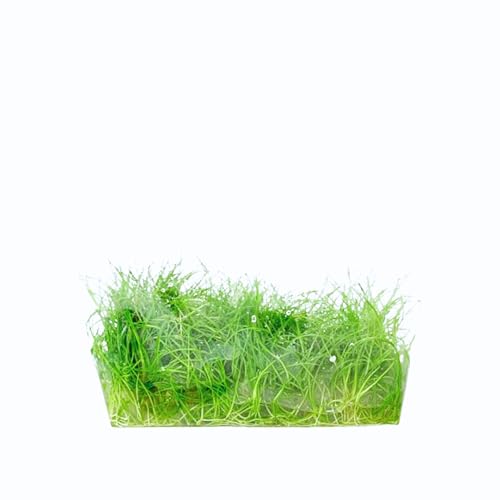
This Vitro-grown option emphasizes a sterile lab-grown process that yields cleaner starts with fewer contaminants. It is well-suited for foreground planting in various aquarium sizes and can contribute to a lush carpet when paired with appropriate lighting. A caution: growth pace depends on consistent nutrient delivery and water parameters, so plan gradual, even lighting to avoid algae blooms.
Marcus Fish Tanks Dwarf Hairgrass — Tissue Culture Cup

Another Marcus Fish Tanks option, a single Dwarf Hairgrass tissue culture cup designed for straightforward foreground carpeting. Best for hobbyists who want a simple start with predictable distribution across the substrate. Best for small tanks or as a starter carpet in mid-sized aquariums. A limitation: extreme weather cautions suggest avoiding orders during severe cold to maintain viability.
Buying Guide: Key Purchase Considerations
- Tank size and layout: Choose a carpet-type plant that fits the foreground area and will spread evenly without overcrowding.
- Climate and shipping: Tissue-culture starts are sensitive to temperature; check shipping options and potential ice packs for cold climates.
- Light and nutrients: Dwarf hairgrass carpets establish best under moderate to high light and balanced CO2 or nutrient dosing. Expect slower growth in low-light setups.
- Source and disease risk: TC cups are designed to be pest-free, but always acclimate plants gradually to minimize stress.
- Maintenance: Regular trims help maintain carpet shape and prevent rapid upward growth, which can disrupt the desired carpet effect.
FAQ
- What is tissue culture hairgrass good for?
It provides clean starts with reduced pest risk and is well-suited for creating a lush foreground carpet in freshwater tanks.
- Do all dwarf hairgrass types require CO2?
While not strictly required, higher light and stable nutrients improve carpet density and growth rate. Low-tech setups may still succeed with careful lighting.
- How long does it take for a carpet to form?
Carpet formation varies with light, nutrients, and tank conditions; expect several weeks to months for a dense carpet in average setups.
- Are tissue-culture plants safer than other starts?
TC cups aim for pest- and algae-free starts, reducing initial contamination risk compared with some soil-based propagations.
- Can I mix different hairgrass species in one tank?
Yes, but monitor growth habits; some species spread faster and can dominate others if not pruned regularly.
- What should I watch for after planting?
Watch for slow growth due to low light, nutrient deficiencies, or unexpected temperature fluctuations; adjust lighting and dosing as needed.