Answering the question: dry aquarium rock is ideal for creating a stable, customizable base for reef and freshwater layouts while establishing beneficial bacteria before introducing livestock. This guide highlights five dry-or-dry-to-use options that support biological filtration, allow flexible design, and suit different tank sizes and ambitions. The spotlight products are best for aquarists who want reliable rock foundations, easier pest control, and customizable aesthetics. Read on to compare form, function, and suitability for your setup.
| Product | Best For | Why It Stands Out |
|---|---|---|
| Carib Sea Life Rock Arches | Medium to large tanks; hobbyists who love dramatic caves | Natural arches and caves; porous aragonite for coral attachment and filtration |
| Real Reef Original Rock, 25 lb | Versatile reef layouts; mid-to-large systems | Eco-friendly, bio-active, pH-stabilizing calcium carbonate/aragonite |
| Real Reef Shelf Rock, 10 lb | Layered reefs and platforms; nano to small systems | Flat, shelf-like surfaces for coral frags and ledges |
| Real Reef Original Rock, 10 lb Mixed Box | Small to medium tanks; varied shapes | Assorted shapes with natural look and biological filtration |
| Ocean Aquaria 7 Hole Barnacle Cave Rock | Frag placement and fish hiding places | Built-in cave and frag-plug capability; durable, reef-safe |
Carib Sea Life Rock Arches For Aquariums
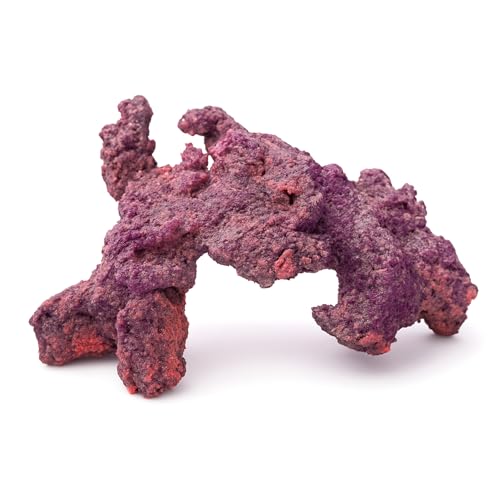
Best for dramatic aquascapes, these 12″ rocks are designed to form natural tunnels and arches. The porous aragonite provides surface area for coral frag attachment, promoting healthy coral growth. The high porosity also supports biological filtration, aiding in a balanced aquarium environment. Suitable for hobbyists who want visible architecture paired with a quiet biofilter.
Who it’s best for: reef hobbyists seeking large, decorative structures that also contribute to filtration. Limitation: heavy pieces require careful placement to prevent shifts in tank structure.
Real Reef Original Rock, 10 lb Mixed Box

Best for flexible reef designs in smaller to mid-sized tanks. The Eco-Friendly Reef-Safe composition uses calcium carbonate and aragonite-based materials to support biological reef filtration and natural pH buffering. The mixed-box approach provides assorted shapes for creating caves, arches, and islands without sourcing from natural reefs.
Who it’s best for: aquarists who want a ready-to-build base with diverse shapes. Limitation: the box contents vary, so exact piece selection may differ between shipments.
Real Reef Original Rock, 25 lb Mixed Box
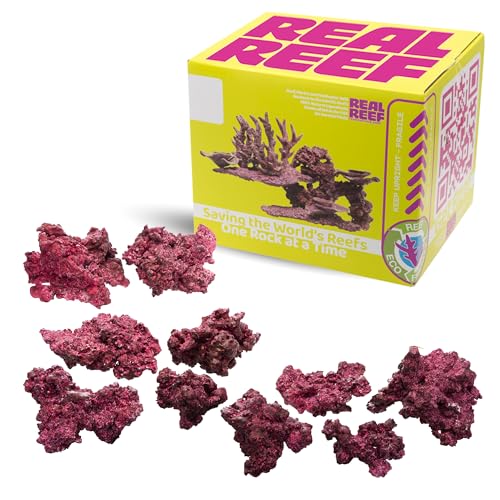
Best for larger reef systems or ambitious builds. The 25 lb mixed box offers a natural, varied set of pieces that create complex, multi-level structures with ample crevices for coral growth and refugia for beneficial bacteria. This rock is designed to be bio-active and helps stabilize pH over the long term.
Who it’s best for: hobbyists planning expansive reef layouts. Limitation: heavier total weight requires sturdy aquascaping and wiring for support in larger tanks.
Real Reef Shelf Rock, 10 lb

Best for creating horizontal ledges and tiered platforms. The shelf-style rock provides stable surfaces ideal for coral frags and clams. It’s an eco-friendly option that mirrors natural Tonga Shelf Rock without harvesting from wild reefs. A good choice for layered reef aesthetics in mid-sized tanks.
Who it’s best for: aquarists prioritizing coral placement on level surfaces. Limitation: limited height footprint may require additional vertical elements for full height designs.
Ocean Aquaria 7 Hole Barnacle Cave Frag Rock
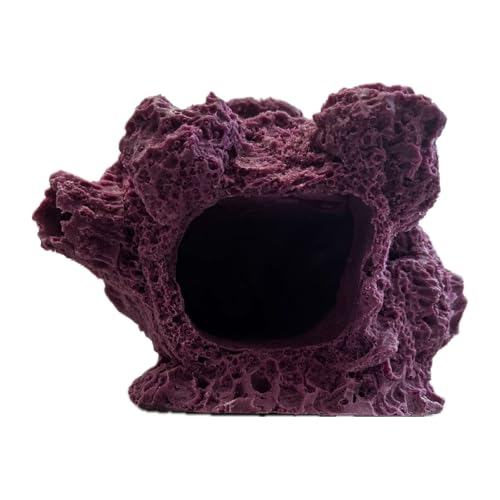
Best for frag plug placement and housing for shy critters. This frag rock is molded from a real giant Pacific barnacle and features a built-in cave that accommodates fish or invertebrate hides. It is handcast in the USA with reef-safe materials and aragonite-based texture for realism and weight. Use this when you want a natural-looking shelter with practical frag plug support.
Who it’s best for: hobbyists who want a dual-purpose rock—frag placement up top and a cozy refuge underneath. Limitation: the hole count and size may limit the number of frag plugs for larger coral arrays.
Buying Guide
What should you consider when choosing dry aquarium rock?
- Tank size and design: Larger systems benefit from varied shapes (arches, shelves, caves) to maximize flow and filtration. Smaller tanks gain from compact pieces and even frag-friendly bases.
- Biological filtration: Look for rocks made from calcium carbonate or aragonite-based materials. They support beneficial bacteria and naturally buffer pH for longer-term stability.
- Attachment surfaces: Porous rocks provide more surface area for coral frags to attach and for bacteria to colonize.
- Ease of handling: Heavier rocks require careful placement but offer stable structures. Consider weight when planning rockwork and tank stand support.
- Aesthetic goals: Choose rocks with natural color tones and textures that complement your livestock and background.
FAQ
- What is dry base rock best used for in an aquarium? It provides a stable, pest-free base for biological filtration and coral attachment before adding livestock.
- Can I mix different brands of dry rock? Yes, mixing brands is common, but ensure compatibility in porosity and pH buffering capacity to avoid imbalances.
- Do dry rocks require curing? Dry rocks typically do not harbor hitchhikers, but some buyers prefer a routine cycle with conditioned water and bacteria starters before livestock.
- Which rock is best for frag placement? Shelf rocks and barnacle cave rocks often provide multiple flat surfaces for frag plugs and natural shelters for tank mates.
- How heavy are the larger rock boxes? Larger mixed boxes can be substantial; ensure your tank stand and silicone joints can handle the load and that placement minimizes risk of tipping.
- Are these rocks reef-safe? Most real reef rocks here are offered as reef-safe or eco-friendly options designed to minimize impact on natural reefs.