Looking for the right dark brown aquarium sand to create a dramatic, natural aquascape? This guide highlights five solid options that balance cleanliness, texture, and visual depth. Best for planted tanks, biotope displays, and terrariums that benefit from a rich, earthy backdrop. Each product includes who it’s best for, plus practical considerations to help you compare at a glance.
| Product | Color / Tone | Size / Grade | Best For |
|---|---|---|---|
| Aqua Natural Delta Sand | Natural Brown | 0.8 – 1.2 mm | Bold, natural-looking aquascapes; fresh water and vivariums |
| LANDEN Congo Aquascape Sand | Brown with Red/Black Tones | 0.4 – 0.9 mm | Deep, high-contrast biotope setups |
| Exo Terra Riverbed Sand | Natural Beige-Tan | Fine grain | Turtles and other reptiles; soft ingested substrate |
| Aqua Natural Galaxy Sand | Black | Fine | Dramatic contrast; highlight plants and décor |
| Aqua Natural Midnight Pearl | Brown Pebble | 2-4 mm | Evenly sized pebbles; natural look with grounding color |
Aqua Natural Delta Sand 10lb Substrate

What it is: A triple washed and kiln dried natural sand. Size 0.8 – 1.2 mm with dense composition and low fines. Sourced legally in the USA. Best for: beginners and hobbyists seeking a clean, low-dust brown substrate that won’t cloud the tank. Why chosen: its dense texture minimizes sand blow-around, helping keep substrate settled in active tanks.
Best for: freshwater aquariums, vivariums, and terrariums looking for a natural brown tone that won’t overpower plant greens. Limitation: not ideal if you require extremely fine sands for nano tanks where tiny grains are preferred for micro-plant rooting.
LANDEN Congo Aquascape Sand (2L, 9lbs)

What it is: A brown sand with red and black mixed tones designed to deepen depth and warmth. Size 0.4-0.9 mm. Best for: biotope aquariums aiming for Amazonian, West African, or tropical Asian landscapes. Why chosen: the color mix adds contrast against bright greens, highlighting plant forms while creating a high-contrast water feature. Limitation: color appears deeper underwater and may shift with lighting, so you may want to test lighting first.
Exo Terra Riverbed Sand, 10-Pounds

What it is: Natural riverbed sand with no dyes or chemicals. Very fine grain, ideal for turtles and other water-dwelling reptiles; softer texture reduces risk of skin irritation. Best for: species that prefer digging or burrowing, such as soft-shell turtles. Why chosen: suitability for animals that ingest substrate and need gentle texture. Limitation: very fine sand can be stirred easily and may cloud water if disturbed often.
Aqua Natural Galaxy Sand 10lb Substrate

What it is: Sparkling fine black sand, ethically sourced in the USA. Best for: dramatic aquascapes where black substrate helps plants and decorations pop. Why chosen: deep color creates strong contrast and highlights greens and bright elements. Limitation: darker colors can show dust more easily; routine cleaning helps maintain the pristine look.
Aqua Natural Midnight Pearl 20lb Gravel
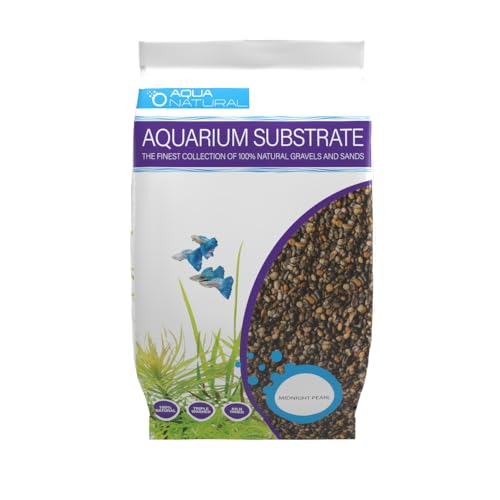
What it is: Triple washed and kiln dried brown pebble substrate, 2-4 mm. Sourced under license in New Zealand. Best for: larger tanks or vivaria that benefit from evenly sized gravels with a natural hue. Why chosen: uniform pebble sizing supports stable plant anchoring and a balanced landscape. Limitation: not suitable for very small nano tanks or delicate foreground microplants that require smaller grain substrates.
Buying Guide: Dark Brown Substrates For Aquariums
What to consider when choosing a brown sand or gravel substrate:
- Tank inhabitants: Some species prefer fine sand for digging; others benefit from coarser substrates that help plant roots anchor. Match substrate texture to the species you keep.
- Lighting and contrast: Darker substrates create strong contrast with greens and bright décor, but can show dust. Plan for appropriate lighting and regular cleaning.
- Grain size: 0.4-0.9 mm sands are common for planted tanks; 0.8-1.2 mm sands offer a heavier, settled look; 2-4 mm gravels provide more visual weight and stability for larger tanks.
- Water chemistry impact: Most sands are inert; verify if the substrate is chemically stable and appropriate for your water parameters.
- Maintenance: Fine sands can cloud when disturbed; consider pre-washing and choosing higher-density substrates to minimize cloudiness.
Which brown sand is best for you?
- Best all-around natural look: Aqua Natural Delta Sand for its clean, compact grain and American sourcing.
- Best for deep, moody biotopes: LANDEN Congo Aquascape Sand for nuanced color variation and depth.
- Best for turtles and burrowing reptiles: Exo Terra Riverbed Sand due to its soft texture and suitability for digging.
- Best for dramatic contrast with plants: Aqua Natural Galaxy Sand (black) to make greens pop.
- Best for larger tanks with even pebble texture: Aqua Natural Midnight Pearl for 2-4 mm gravel.
FAQ
- Q: Do dark sands affect plant growth?
A: Substrate color does not directly affect growth; it mainly influences light reflection and contrast. Ensure you have adequate lighting and nutrient-rich substrate. - Q: Will brown sand cloud my tank when I set it up?
A: Some initial clouding is common; pre-washing and proper filling with slow water flow reduces cloudiness. - Q: Which substrate is best for freshwater planted tanks?
A: Fine to medium grains like 0.4-0.9 mm sands work well with roots and plant stability; consider a nutrient-rich substrate beneath for root feeders. - Q: Is black sand safe for all aquarium inhabitants?
A: Generally yes if inert and free of dyes. Some species may react to staining textures; observe the tank after introduction. - Q: How often should I clean brown sand substrates?
A: Regular maintenance is recommended; avoid excessive disturbance to prevent clouding. Use a gravel siphon or gentle water changes. - Q: Can I mix two colors of sand?
A: Yes, mixing brown with darker or lighter tones can create natural-looking gradients and visual interest, but ensure compatibility with your filtration flow.