Choosing the right clay-based substrate can boost plant growth, stabilize water parameters, and support beneficial bacteria in freshwater aquariums. This guide highlights five top clay or mineral-rich substrates, emphasizing iron content, porosity, and ease of setup. Each option is suitable for planted tanks, shrimp habitats, and diverse freshwater communities. Explore practical considerations and a buying guide to help you pick the best fit for your setup.
| Product | Brand | Substrate Type | Key Benefit |
|---|---|---|---|
| Aqueon Plant and Shrimp Aquarium Substrate | Aqueon | Aqua Soil / Clay-based | Supports a wide range of freshwater plants, shrimp, snails, and fish |
| Seachem Flourite Black Clay Gravel | Seachem | Stable Porous Clay Gravel | Integral substrate bed for natural planted tanks |
| Brightwell FlorinBase Laterite Powder | Brightwell Aquatics | Iron-rich Laterite Clay | Boosts root growth and plant health |
| Fluval Natural Mineral-Rich Volcanic Soil Bio Stratum | Fluval | Volcanic Soil Substrate | Enriches plant development and supports nitrogen cycling |
| Omitgoter Aquatic Plant Soil (6.6 LBS) | Omitgoter | Natural Organic Substrate | Supports microbial balance and broad aquatic plant needs |
Aqueon Plant And Shrimp Aquarium Substrate
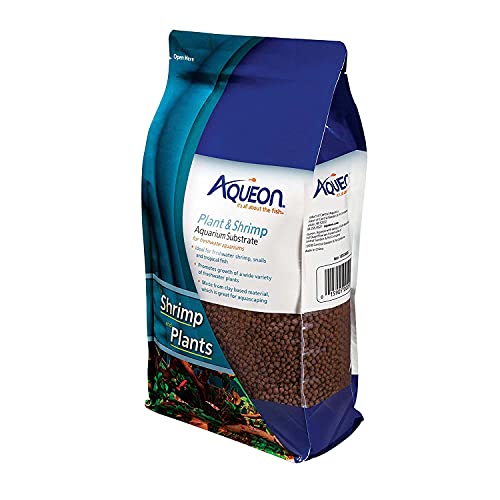
The Aqueon substrate is offered in a 5-pound bag and is designed to support a wide variety of freshwater plants, shrimp, snails, and tropical fish. It provides a nutrient-rich base that encourages robust root systems and plant vigor, aiding growth in community tanks. Its composition aims to balance water parameters favorably for plant health and overall tank stability. When planning a mixed tank, this substrate helps create a natural-looking base while promoting lush plant growth and steady ecological balance.
Seachem Flourite Black Clay Gravel

Seachem Flourite Black Clay Gravel is a stable, porous clay gravel designed for natural planted aquariums. It forms an integral substrate bed that supports root development without relying on external soil modifiers. It can be used alone or mixed with other gravels and is best introduced carefully to minimize cloudiness. The product is valued for its long-term stability, mineral-rich surface, and suitability for diverse planted setups that require reliable foundational substrate with steady nutrient availability.
Brightwell FlorinBase Laterite Powder
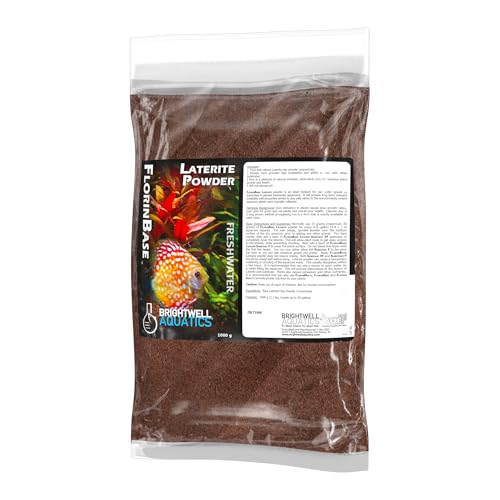
FlorinBase Laterite Powder is an iron-rich clay substrate designed to deliver essential minerals directly to plant roots. It creates an optimal base for strong root development, improved nutrient uptake, and vibrant plant health. This laterite powder is typically used as a foundational layer in planted tanks, particularly where iron-demanding species are present. It helps reduce the need for frequent changes and supports long-term plant vitality in a stable aquatic environment.
Fluval 12696 Natural Mineral-Rich Volcanic Soil Bio Stratum

Fluval’s natural volcanic soil bio stratum is packed with minerals and dormant nitrifying organisms. When wetted, it activates quickly to help break down waste and jumpstart the nitrogen cycle. This substrate is designed to stabilize water conditions in new tanks and promote healthy plant development with improved color and vigor. It is especially suitable for planted aquariums seeking a robust mineral foundation combined with beneficial microbial activity.
Omitgoter Aquatic Plant Soil (6.6 LBS)
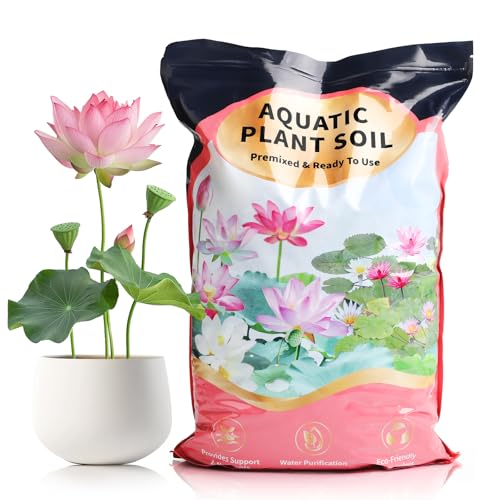
Omitgoter Aquatic Plant Soil is a 100% all-natural soil blend crafted for aquatic plants. It supports microbial balance and ecological stability, making it suitable for lotus ponds, aquarium substrates, and hydroponic applications. The nutrient-rich clay base promotes plant growth while helping maintain steady water conditions. This substrate targets a broad range of aquatic species and is designed for durable, long-term performance in diverse setups.
Brightwell FlorinBase Laterin Substrat VF

FlorinBase Laterin Substrat VF offers very fine granules with high porosity, specifically designed for planted and freshwater shrimp aquaria. Its mineral-rich composition supports long-term plant nutrition, including iron, to foster lush growth and healthy color. This substrate is intended as a foundation layer under other substrates or as a standalone medium in systems that benefit from slow nutrient release and stable aggregation for root zones.
Buying Guide: Key Purchase Considerations
- Plant compatibility: Look for substrates designed to support root growth and nutrient uptake for aquatic plants, especially iron-rich varieties.
- Porosity and particle size: Fine to medium grains with high porosity promote beneficial bacteria and stable water chemistry, while avoiding excessive clouding when filled slowly.
- Nutrient release: Substrates may provide long-term mineral availability; consider whether you need a base layer and if you should pair with root tabs or additional fertilizers.
- Water transparency: Some clays can cause initial cloudiness; plan for gentle pouring and proper filtration during setup.
- Compatibility with invertebrates: If keeping shrimp or snails, select substrates that are gentle on their scavenging activities and do not leach harmful compounds.
- Tank goals: Decide whether the focus is lush plant growth, color enhancement, or stable ammonia management; select a substrate that aligns with your objective.
- Maintenance and longevity: Porous clays tend to retain nutrients longer; consider ease of cleaning and whether you will need to refresh the profile over time.
- Tank size and depth: Heavier clays may settle differently in larger or deeper tanks; match substrate to your aquarium dimensions for even distribution.
In summary, the best clay-based substrates blend stable mineral content with porous structure to support plants, bacteria, and invertebrates. When selecting, prioritize iron availability, substrate bed stability, and how the material interacts with your specific plant and animal community. The five options highlighted here provide a spectrum—from dedicated plant soil to mineral-rich volcanic substrates—allowing you to tailor your setup to your aquascaping goals and animal welfare.