Finding the right circulation pump helps create natural water movement, improve oxygenation, and support filtration in both freshwater and saltwater tanks. This guide reviews top options, highlighting who each pump is best for, plus practical buying tips. The picks below balance compact design, adjustable flow, and reliability for common tank sizes.
Summary table of selected products:
| Product | Best For | Max Flow | Notes |
|---|---|---|---|
| hygger Mini Wave Maker | Small to medium tanks, versatile direction | 530 GPH | Rotatable head, easy cleaning |
| AQUANEAT 2 Pack Circulation Pump | Dual units for larger setups | 480 GPH each | 360° rotation; great for debris pickup |
| DaToo 800GPH Wave Pump | Balanced flow with strong oxygenation | 800 GPH | 360° rotation; anti-backflow tech |
| FREESEA Magnetic Wave Maker (55-125 gal) | Dry-hand repositioning; large tanks | 1050 GPH | Magnetic mount; 180° adjustable heads |
| Fluval Sea CP3 Wave Maker | Medium tanks up to 50 gal | Not specified here | 270° nozzle; compact design |
Hygger Mini Wave Maker For 15-40 Gallon Tanks

The Hygger unit provides a 360° rotatable ball joint design to direct flow in any direction. It delivers up to 530 GPH, making it suited for small to mid-size freshwater or saltwater tanks. Use near the surface to introduce oxygen, aid filtration, and reduce dead zones in the gravel. It’s a compact option for tanks where space is at a premium.
Best for: hobbyists with 15-40 gallon tanks who want flexible direction and easy cleaning. Better for: creating gentle surface agitation without overpowering small ecosystems. Choose this if: you need a simple, reliable wave maker with adjustable orientation. Caution: ensure proper mounting and check clearance around tank lid to avoid splash or tangling with decor.
AQUANEAT 2 Pack Circulation Pump, 480 GPH

These compact 3W pumps deliver 480 GPH each and come as a two-pack, ideal for larger tanks or for running multiple zones. The suction cups with articulating ball joints enable full 360° rotation, allowing you to target specific areas and eliminate dead spots. They support improved oxygenation by agitating the surface and help keep detritus flowing toward filtration.
Best for: tanks around 60-75 gallons freshwater or 45-60 gallons saltwater when you need to spread flow. Better for: users who want two identical pumps for even circulation. Choose this if: you prefer modularity and solid suction with easy placement. Caution: avoid placing directly on delicate corals in very small volumes; distribute flow to prevent tissue damage.
DaToo 800GPH Mini Circulation Pump

The DaToo unit blends 360° rotation with a compact form factor and a quiet operation profile. It emphasizes oxygenation, circulation, and enhanced filtration in a single package. Its corrosion-resistant ceramic shaft helps with longevity in both saltwater and freshwater environments, while a protective cover reduces the risk of fish being drawn into the intake.
Best for: tanks needing strong yet controllable flow in a single unit. Better for: users who value anti-backflow design to stabilize water movement. Choose this if: you want a multifunction pump that balances movement and filtration. Caution: ensure the intake protection is properly installed to prevent juvenile fry entrapment.
FREESEA Magnetic Wave Maker For 15-125 Gallon Tanks
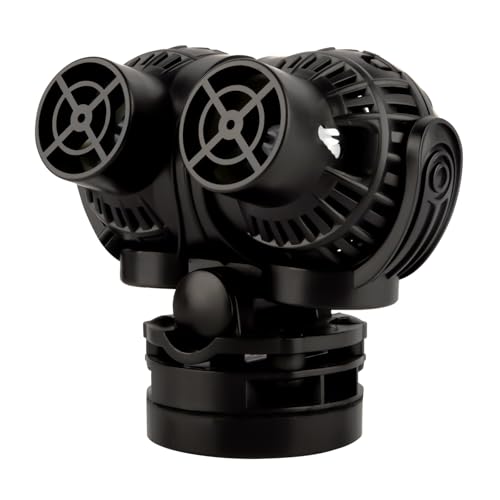
This 1050 GPH model uses a magnetic mount to enable quick repositioning without water spilling or draining. It features two adjustable heads that can be aimed independently, making it easier to tailor flow to large tanks. The high flow suits bigger displays while maintaining quieter operation with a stable magnetic base.
Best for: large tanks where you need flexible, hands-free repositioning. Better for: aquariums with varied layouts or rock formations requiring different current patterns. Choose this if: you want fast, dry-hand adjustments. Caution: the magnetic mount should be kept clean and checked regularly to maintain secure positioning.
Fluval Sea CP3 Wave Maker

The Fluval CP3 is a strong performer for aquariums up to 50 gallons. Its design supports natural reef and river-like flow, promoting oxygen exchange and a healthy environment for fish, corals, and aquatic plants. A 270° adjustable nozzle allows precise control to minimize dead zones and maximize circulation without overwhelming delicate inhabitants.
Best for: mid-sized tanks where a compact, adjustable unit can deliver consistent movement. Better for: users who want a dedicated, reef-style current without large equipment. Choose this if: you need predictable, steady flow in a space-saving form. Caution: ensure nozzle direction does not disrupt nearby plants or decorations during adjustments.
Buying Guide
What size should I choose?
Match pump flow to tank volume. In general, circulating 5-10 times the tank’s volume per hour supports healthy water movement. For heavily stocked or planted tanks, consider higher flow to maintain debris suspension and oxygenation.
Is adjustable flow important?
Yes. Pumps with 360° rotation or multi-head designs offer flexible placement and better control of dead spots. This makes it easier to tailor flow for corals, plants, or sensitive fish species.
What about noise and energy use?
Look for models described as quiet and energy-efficient. Submersible units with ceramic shafts tend to last longer and reduce mechanical noise, benefiting user experience and tank stability.
How do I position pumps safely?
Place pumps away from direct contact with delicate corals or fry. Use protective grilles on intakes and check that suction cups or magnetic mounts are secure. Rotate flow away from fragile decor to prevent abrasion or dislodgement.
Single vs. multiple pumps?
For larger tanks or complex layouts, multiple pumps can create a more uniform flow and reduce dead zones. In smaller tanks, a single adjustable pump is often sufficient and simpler to manage.
Maintenance considerations
Choose units with simple disassembly for cleaning. Look for corrosion-resistant materials and easily removable guards. Regular cleaning prevents debris buildup and keeps flow consistent.
Summary of buyer considerations
- Tank size and stocking level
- Need for directional flexibility
- Preference for magnetic vs suction-cup mounting
- Noise tolerance and energy use
- Maintenance ease and longevity
FAQ
- What is a circulation pump used for in aquariums?
A circulation pump moves water to improve oxygen exchange, support filtration, and reduce stagnant areas that can harbor debris.
- Can I run more than one pump in a tank?
Yes, especially in larger tanks or layouts with multiple zones. Ensure the total flow does not cause excessive current that stress fish.
- Do pumps affect heater efficiency?
In general, improved circulation helps distribute heat evenly, aiding temperature stability across the tank.
- Are magnetic mounts reliable long-term?
Magnetic mounts are convenient but should be checked regularly for secure attachment, especially as magnets can lose grip with algae or buildup.
- Which pump is best for a planted freshwater tank?
Look for moderate flow and turbulent mixing that does not uproot plants. Many users prefer models with adjustable flow and directional nozzles.
- Do I need a random flow or a constant flow?
Variable or alternating flow can simulate natural currents and benefit diverse inhabitants. Start with a gentle, consistent baseline and adjust as needed.