Answering the common buyer question: ceramic rings for aquarium filtration provide surface area for beneficial bacteria, helping biological filtration and clearer water. This guide compares top options for hobbyists, from small tanks to larger canister setups. Best fits include hobbyists seeking reliable bio-media, pond keepers needing steady filtration, and canister users who want easy replacement media. The table below highlights five well-suited choices and what makes them stand out.
| Product | Brand | Best For | Key Benefit |
|---|---|---|---|
| Fluval Pre-Filter Media | Fluval | Small to mid-size tanks | Prevents clogging and extends media life |
| Sukh Ceramic Rings (3 Bags) | Sukh | Freshwater and planted tanks | Large surface area and lasting filtration |
| Marineland Ceramic Filter Rings | MarineLand | Marineland canister setups | Porous surface for beneficial bacteria |
| JIHAQUA Bio Ceramic Rings (4 lbs) | JIHAQUA | Canister or sump systems | Balanced water, good contact time |
| AQUANEAT Bio Ceramic Rings (6 lbs) | AQUANEAT | Mixed freshwater/saltwater | High porosity for filtration capacity |
Fluval Pre-Filter Media, Ceramic Rings
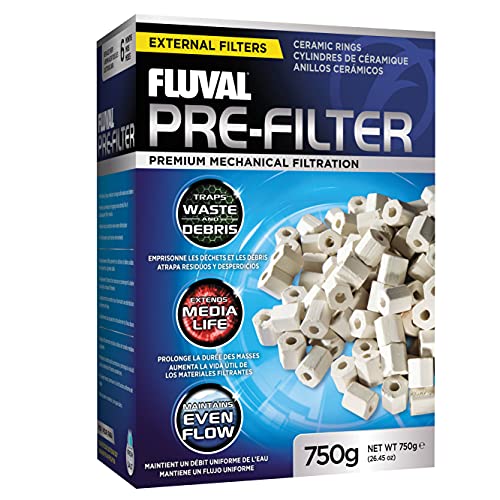
Brand: Fluval. Weight/Size: 26.45 OZ. Features include China origin and filtering support to prevent clogging, helping reduce the frequency of replacing filter media. This product is best for hobbyists who want a simple, ready-to-use ceramic media insert that complements Fluval canister systems. A potential limitation is that it functions best within compatible Fluval media configurations and may require monitoring for tank-specific flow needs.
Sukh Ceramic Rings for Aquarium Filter
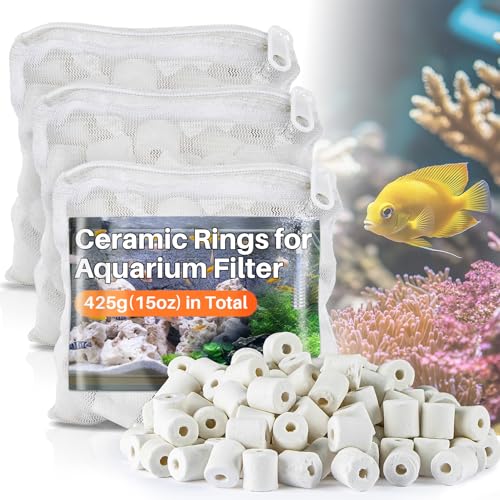
Brand: Sukh. Includes 3 bags totaling 425g of ceramic media. Designed for both freshwater and saltwater systems, it captures particles and supports clearer water over time. The hollow, porous design expands filtration area and reduces clogging. Best for users seeking versatile media for multiple filtration setups. Caution: ensure compatibility with your filter’s bag and media capacity to avoid overloading.
JIHAQUA Bio Ceramic Rings (18 lbs)

Brand: JIHAQUA. Comes with 18 mesh bags and 1/2″ x 1/2″ ceramic rings. Suitable for both fresh and saltwater tanks, the porous design promotes optimal contact time as water passes through. This large pack is ideal for larger canisters or sump setups needing long-lasting bio-media. Best for budget-conscious buyers who operate bigger filters. Consider that size and quantity may require more bag storage and careful tank planning.
Marineland Ceramic Filter Rings, 140 Count

Brand: MarineLand. A large 140-count supply designed for Rite-Size S, T, and X ceramics, compatible with all Marineland C-Series and Magniflow canister filters. The rings provide a porous surface ideal for biological filtration, supporting a stable aquarium environment. Best for Marineland filter users who need ample replacement media. Limitation: designed specifically for Marineland systems, not a universal fit.
PULACO Aquarium Ceramic Ring

Brand: PULACO. Packaged as 1 lb of ceramic ring media. Features a bee-like microporous structure with a large surface area to boost beneficial bacteria growth. Suitable for freshwater and saltwater tanks, compatible with hang-on, power filters, and other aquarium setups. Best for hobbyists seeking a compact option for smaller tanks or as supplementary bio-media. Caution: check your filter’s media capacity to avoid overfilling the media compartment.
JIHAQUA Bio Ceramic Rings (10 lbs)

Brand: JIHAQUA. Contains 10 lbs in 10 mesh bags with 1/2″ x 1/2″ rings. Suitable for both freshwater and saltwater tanks, the porous design ensures effective contact time as water passes through. This bulk option is ideal for large canister or sump installations requiring substantial bio-media. Best for serious aquarists who run larger filtration systems. Limitation: heavier and bulkier to handle during media changes.
AQUANEAT Bio Ceramic Rings, 6 lbs

Brand: AQUANEAT. Comes in 6 pounds of highly porous ceramic media. Hollow design distributes water flow and adds surface area for filtration capacity. Suitable for both freshwater and saltwater aquariums, and compatible with various filter types including canister and sump setups. Best for users needing high porosity media in a mid-size package. Caution: ensure your filter’s mesh or bag capacity can accommodate the medium’s bulk.
Buying Guide
- What is your tank size and filter type? Choose media that fits your canister or sump configuration and provides ample surface area for bacteria.
- Freshwater vs. saltwater: Most ceramic rings work well in both, but ensure compatibility with your filtration system and maintenance routine.
- Porosity and contact time: Higher surface area and balanced water flow improve biological filtration but may require additional mechanical media for particle removal.
- Delivery and packaging: Larger packs are cost-effective but heavier to handle. Match quantity to your tank’s filtration needs and future expansion plans.
- Maintenance considerations: Ceramic rings typically need periodic rinsing; avoid harsh cleaners and replace media only as needed to preserve beneficial bacteria.
FAQ
- Q: Are ceramic rings better than sponge media?
A: Ceramic rings provide a large, porous surface for bacteria; sponges offer mechanical filtration and can trap debris. Many setups use a combination for both functions. - Q: Can I use ceramic rings in a freshwater and saltwater tank?
A: Yes. Most ceramic rings are suitable for both, but confirm compatibility with your specific filtration system. - Q: How often should I replace ceramic ring media?
A: Replace only as needed. Rinsing or gently cleaning during water changes can extend life; avoid over-cleaning to preserve bacterial colonies. - Q: Do ceramic rings clog quickly?
A: Clogging depends on tank load and flow rate. Pair with mechanical media or pre-filter media to minimize clogging and maintain flow. - Q: Which product is best for a large canister filter?
A: Larger bags or bulk media, such as 10–18 lb options, are better suited for bigger canister or sump setups that need substantial bio-media. - Q: Is there a risk of pH changes from ceramic rings?
A: Ceramic rings are inert and typically do not alter pH significantly; monitor water parameters as part of routine maintenance.