Ceramic filter media are a cornerstone of biological filtration in home aquariums. They provide extensive surface area for beneficial bacteria to colonize, helping to break down ammonia and nitrite into less toxic nitrate. This article examines top ceramic media options, comparing porosity, flow compatibility, and overall effectiveness. Whether you maintain a freshwater community tank or a mixed canopy of marine life, choosing the right ceramic media can improve water quality, reduce maintenance, and support a stable ecosystem.
Summary table of selected products:
| Product | Brand | Key Benefit |
|---|---|---|
| BioMax Biological Material Remover | Fluval | Premium biological media with strong ammonia/nitrate control |
| Ceramic Rings 425g | Sukh | Efficient purification, porous design, supports stable filtration |
| Ceramic Bio Balls | Sukh | Quartz-based, preserves water parameters, open-flow design |
| Ceramic Filter Media Rings (Reefing Art) | Reefing Art | Very large surface area, high filtration efficiency |
| AQUANEAT Ceramic Rings | AQUANEAT | Extremely porous for efficient filtration, good for mixed tanks |
Fluval BioMax Biological Media For Aquariums
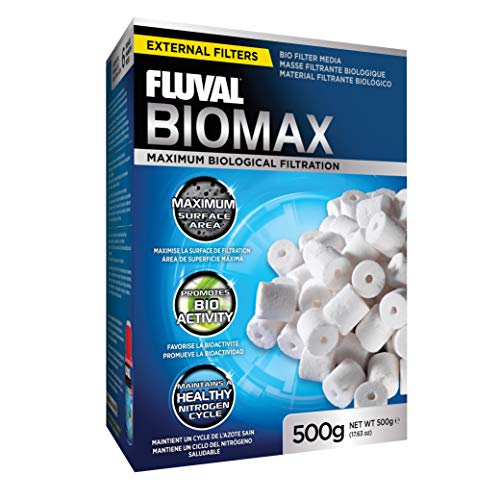
Fluval BioMax is designed to work with a broad range of Fluval filter series, including 106, 206, 306, 406, FX series, and similar models. The media’s complex, porous structure increases contact time as water passes through, which supports robust beneficial bacteria colonies. Its primary advantage is water clarification through enhanced biofiltration, contributing to lower ammonia and nitrate levels—an essential factor for fish health and plant vitality in many aquariums. The media’s compatibility with multiple Fluval models makes it a convenient choice for Fluval fans upgrading or expanding their filtration systems.
Users typically pair BioMax with regular mechanical filtration and occasional water testing to gauge biological load. The 500 g package offers a substantial amount of media that can be re-packed into media bags or placed directly into compatible canister or hang-on filters. For tanks with heavy-bioload stock or recently cycled systems, BioMax provides a reliable boost to nitrification performance. As with all biological media, it’s best to rinse before initial use to remove dust and packaging residues.
Sukh Ceramic Rings 425g For Aquarium Filters
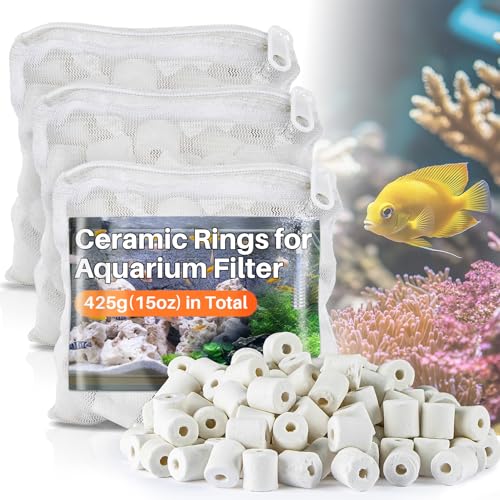
Sukh ceramic rings are designed to deliver a robust surface area in a compact form, promoting stable biological filtration in both freshwater and saltwater setups. The hollow, porous design supports even water flow and reduces the risk of clogging, which helps maintain consistent filtration performance over time. The product is marketed with broad compatibility for ponds, fish tanks, and various filtration systems, making it a flexible option for hobbyists who may switch canisters, sumps, or filter cartridges without changing media type.
Key benefits include improved water clarity as beneficial bacteria establish colonies on the ceramic surface, and a reliable medium that helps trap debris while enabling steady oxygen exchange. The media are suitable for home aquariums and can be used in professional canister rigs as part of a staged filtration approach. Rinsing prior to use is recommended to remove any loose fines that may have accompanied packaging.
Sukh Ceramic Bio Balls Aquarium Media

These Sukh bio balls are designed as inert quartz-based spheres that support both mechanical and biological filtration. The inert composition helps maintain stable pH and other water parameters, an important consideration for mixed tanks containing sensitive species. Their open, porous surface improves water circulation and oxygen transfer—two factors that can enhance the overall filtration efficiency of canister or sump systems. This media is suitable for both freshwater and saltwater environments, including ponds and koi setups, when paired with appropriate filtration hardware.
In practical terms, bio balls can be a valuable addition to a layered filtration strategy—complementing ceramic rings or beads with a broad surface area while minimizing clogging. Regular cleaning and careful rinsing before re-use extend their lifespan. As with all bio media, watch for any shift in tank chemistry after installation and adjust filtration or water changes as needed.
Reefing Art Ceramic Filter Media Rings

Reefing Art Ceramic Filter Media Rings come in a 1 lb (180 rings) configuration with notable surface area and a porous internal structure. The product is designed to remove ammonia and nitrite efficiently while supporting a high rate of beneficial bacterial growth. With a large internal surface, these rings can deliver significant biofiltration capacity in sumps, canister filters, or large aquariums. The package often includes a media bag, facilitating easy placement and retrieval during maintenance.
Filtration performance benefits from the rings’ structure, providing consistent water flow and minimizing dead zones. This design typically suits hobbyists who run large systems or those who prefer quick media changes without rebuilding filter beds. As always, thorough rinsing before use helps remove any dust or debris from manufacturing and packaging.
AQUANEAT Bio Ceramic Rings For Aquarium Filtration

AQUANEAT’s bio ceramic rings emphasize high porosity and a hollow design to distribute water flow evenly while maximizing the available surface area for bacterial growth. Suitable for both freshwater and saltwater setups, these rings help maintain stable water parameters by providing a reliable substrate for beneficial bacteria. The inclusion of multiple mesh bags ensures easy handling and placement within various filter configurations, supporting flexible maintenance routines for hobbyists who operate canisters, sumps, or reef systems.
Performance considerations for AQUANEAT include ensuring proper rinsing before use and verifying compatibility with your specific filter model. While porosity promotes filtration efficiency, excessive debris buildup can still occur if maintenance intervals are too long. Regular monitoring of ammonia, nitrite, and nitrate remains important even when using ceramic media, especially after initial setup or during stock changes.
Buying Guide: Key Purchase Considerations For Ceramic Filter Media
When selecting ceramic filter media, consider the following factors to optimize biological filtration and tank health:
- Porosity and surface area: Higher porosity generally offers more surface area for beneficial bacteria, boosting nitrification capacity. Compare materials by their internal structure and overall volume per unit mass.
- Tank size and bioload: Larger tanks or heavily stocked setups require media with greater surface area and durability to handle the higher ammonia production.
- Compatibility: Ensure the media works with your filter type (canister, hang-on, sump) and with your tank’s salinity if you maintain a reef or marine environment.
- Flow rate and water turnover: Porous ceramic media should not overly restrict flow. Verify that your filter’s flow rate remains within the recommended range after media installation.
- Maintenance and cleaning: Most ceramic media benefit from periodic rinsing or gentle cleaning to prevent compaction and to restore flow. Avoid harsh cleaning that could remove beneficial biofilm.
- Longevity and reusability: Some media can be rinsed and reused many times, while others may degrade or break apart. Consider the cost-per-use and replacement needs.
- Combination strategies: Pair ceramic media with other media types (mechanical media in outer layers, carbon only when necessary) to balance polishing, chemical filtration, and biological filtration.
- Safety and leachables: Choose inert ceramic materials that do not alter pH, KH, or other parameters. Some media are explicitly labeled inert to prevent parameter shifts in sensitive tanks.
In practice, hobbyists often adopt a layered approach: mechanical media to capture debris, ceramic rings or balls for biofiltration, and occasional chemical media if specific impurities arise. Regular aquarium testing remains essential to verify that filtration keeps ammonia and nitrite at zero and nitrate at manageable levels. The right ceramic media selection depends on tank size, stocking, filtration hardware, and maintenance preferences.
For best results, follow package guidance for rinsing and initial setup, monitor water parameters during the first weeks after installation, and adjust routine maintenance as the ecosystem stabilizes. Ceramic media are a long-term investment in tank health when integrated thoughtfully into your filtration strategy.