Carpet plants create a stunning, low-growing foreground that makes aquascapes pop. This guide highlights top carpet-friendly aquatic plants available as live specimens from reputable sellers, with quick notes on growth needs and suitability for common setups. The selections emphasize ease of care, visual impact, and versatility in submerged or emersed arrangements, to help hobbyists decide which carpet plant fits their tank size, lighting, and CO2 availability.
Summary table of selected products:
| Product | Brand | Growth Style | Lighting/Nutrient Needs | Notes |
|---|---|---|---|---|
| Ultum Nature Systems Dwarf Baby Tears Hemianthus Callitrichoides Cuba Tissue Culture | Ultum Nature Systems | Foreground, low to medium carpet | Medium to high light; CO2 recommended | In vitro; snail-free culture |
| Micranthemum Monte Carlo Tissue Culture | Ultum Nature Systems | Low-growing foreground carpet | High light; CO2 beneficial | Snail-free tissue culture |
| Dwarf Hairgrass Eleocharis Parvula Tissue Culture | Generic | Delicate grassy carpet | Moderate light; nutrient-rich substrate handy | Vitro culture; pest-free |
| 15x Dwarf Sagittaria Subulata | Marcus Fish Tanks | Low foreground carpet | Moderate light | Live plant set; seasonal weather caveats |
| 2 Pack S.e.e.ds Easy Carpet Plants | LUKAWES | Compact carpet, mini leaves | Typical home aquarium lighting | High germination; easy to grow |
The following sections provide detailed overviews of five carpet options that suit a range of tanks and lighting conditions, with practical notes for beginners and experienced aquarists alike.
Ultum Nature Systems Dwarf Baby Tears Cuba Tissue Culture

Dwarf Baby Tears is among the smallest aquatic species yet highly effective for lush foreground carpets. This tissue-culture plant can be grown submerged or in emersed conditions, making it adaptable for dry-start tanks, Wabi Kusa setups, or Iwagumi layouts where a dense green carpet captivates observers. The plant is typically small with delicate roots, so initial planting can require care to establish a secure anchor in the substrate. Medium to high lighting and consistent nutrients, along with carbon supplementation, support steady growth.
Key considerations: tissue culture ensures a pest-free start, but the tiny root system means careful initial placement. Suitable for aquascapes that aim for a bright, uniform carpet without long stems. Regular maintenance and a steady fertilization routine help maintain color and vigor.
Ultum Nature Systems Micranthemum Monte Carlo Tissue Culture
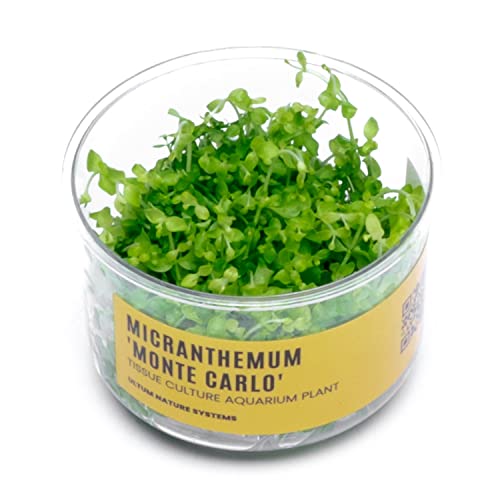
Micranthemum Monte Carlo is a popular foreground choice, delivering a vibrant, low-growing carpet that complements bright substrates. It grows well submerged and can be grown emersed in appropriate setups. The plant prefers high lighting and carbon supplementation to keep it compact and lush. Inadequate lighting can lead to a leggy habit with taller shoots and thinning carpet density. It is commonly used in modern aquascapes for a clean, grassy-green foreground.
Care notes: ensure even light distribution and maintain a nutrient regimen to avoid yellowing or uneven growth. This cultivar responds well to CO2, which helps maintain its characteristic short, dense carpet form.
Dwarf Hairgrass Eleocharis Parvula Tissue Culture
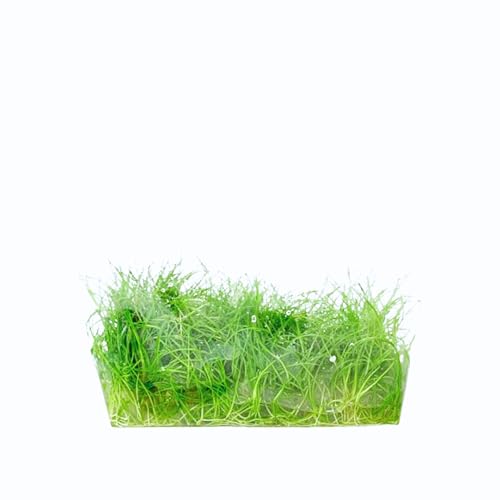
Dwarf Hairgrass provides a soft, grassy carpet that transitions smoothly into mid-ground features. This tissue-culture plant arrives clean and pest-free, grown in nutrient-rich media that supports early development. It is well-suited for foreground or mid-foreground layouts in tanks with moderate lighting. While it tolerates a range of conditions, robust carpeting benefits from a nutrient-rich substrate and consistent CO2 supplementation to prevent patchy growth.
Important care tips: plant in small clumps to reduce uprooting; avoid compacting the substrate around rhizomes. Regular pruning helps maintain a uniform lawn look and prevents taller shoots from dominating the carpet.
15x Dwarf Sagittaria Subulata

Dwarf Sagittaria Subulata offers a reliable carpet option with a slightly broader leaf compared to hairgrass, delivering a neat, forward-ground appearance. The plants are typically 2-3 inches tall, making them suitable for low to medium-high light setups depending on substrate and nutrient availability. Seasonal weather caveats may affect live shipments, and temperature considerations should be observed to protect plant vitality during transit.
Notes for best results: maintain steady lighting and provide a nutrient-rich substrate to encourage compact growth. Regular trimming keeps the carpet dense and helps prevent gaps between plant clusters.
2 Pack S.e.e.ds Easy Carpet Plants

These mini-leaf carpet plants are designed for easy growth and quick establishment of a lush foreground. They boast a high germination rate and are touted for their practicality in decorating aquariums with dense green carpets. The two-pack format provides a cost-effective route to achieving a uniform carpet across a larger foreground area. They respond well to standard aquarium lighting and routine fertilization, making them a good option for beginners seeking reliable results.
Buying Guide: Carpet Plant Purchase Considerations
When selecting carpet plants for an aquarium, consider tank size, lighting, substrate, and CO2 availability. Foreground carpeting species range from delicate grasses to broader-leaved micro-turf, each with its own growth habit and maintenance needs.
- Lighting: Most carpet plants prefer medium to high lighting. The intensity and photoperiod influence growth rate, tissue color, and carpet density. In low-light tanks, consider slower-growing species or supplement lighting with LEDs designed for planted tanks.
- CO2 and Fertilization: CO2 injection accelerates carpet formation and keeps foliage compact. Regular macro and micro-nutrient dosing supports steady coloration and health, especially for species with rapid growth such as Monte Carlo or Dwarf Baby Tears.
- Substrate: A nutrient-rich substrate or root tabs aids carpet formation. Fine-grained substrates prevent anchoring issues for small-rooted plants and promote even spreading.
- Temperature and Water Quality: Most aquarium carpet plants prefer stable temperature ranges and clean water. Sudden temperature shifts or poor water quality can stress new plantings and slow carpet development.
- Planting Method: Plant in small clusters or line patterns to encourage uniform spread. Avoid burying the crowns too deeply, as this can hinder growth or cause rot.
- Maintenance: Regular trimming is essential to maintain a dense carpet and prevent longer stems from overtaking the foreground. Substrate fertilization and periodic CO2 adjustments may be necessary for dense carpets.
Across options, hobbyists should balance ease of care with aesthetic goals. Tissue-culture varieties are generally pest-free and ready for careful planting, while mature-cuttings from verified sellers may offer immediate carpet density but with increased risk of pests if not cultured properly. As with any live plant purchase, consider seasonal shipping conditions and temperature guidelines when ordering to ensure healthy arrival.