Choosing the right carbon pellets can help maintain clear, odor-free water in freshwater and saltwater tanks. This guide highlights five highly regarded activated carbon pellet products that are commonly used in aquarium filtration. Each option is evaluated for odor removal, discoloration control, and overall water quality. Read on to compare features and find the best fit for your tank setup.
| Product | Brand | Size | Key Benefit |
|---|---|---|---|
| Sukh Activated Carbon Pellets | Sukh | 1.9 lb | Odor removal and multi-purpose use |
| Marineland Black Diamond Premium Activated Carbon | MarineLand | 22 oz | Odor and discoloration control, long-lasting |
| Sukh 310g Activated Carbon Pellets | Sukh | 310 g | Odor removal, multi-purpose uses |
| Premium Activated Carbon, Aquarium Carbon | Aquatic Experts | 3 lb | High pore cleaning, clear water, strong odor control |
| MAQIHAN Activated Charcoal Pellets | MAQIHAN | 410 g | Impurity absorption, clear water, bagged for mess reduction |
Note: Each product here is featured due to its popularity, versatility, and reported filtration performance across common aquarium setups. Images and product details are drawn from the listed product pages to aid direct comparisons.
Sukh Activated Carbon Pellets – 1.9 lb

- Odor removal and purification for water and air applications
- 4 mm diameter cylindrical pellets suited for common filter media
- Multi-purpose use including fish tanks, pools, kitchens, and air deodorization
Marineland Black Diamond Premium Activated Carbon 22 Oz

- Heat-activated coal-based carbon designed for chemical filtration
- Removes odors, discoloration, and impurities for clearer water
- Efficient performance with extended effectiveness compared to standard carbons
Sukh 310g Activated Carbon Pellets
- Freshwater and saltwater filtration across diverse tanks
- 4 mm diameter pellets suitable for standard media bags and reactors
- Odor and impurity removal with multi-use capabilities
Premium Activated Carbon, Aquarium Carbon, 3 lb
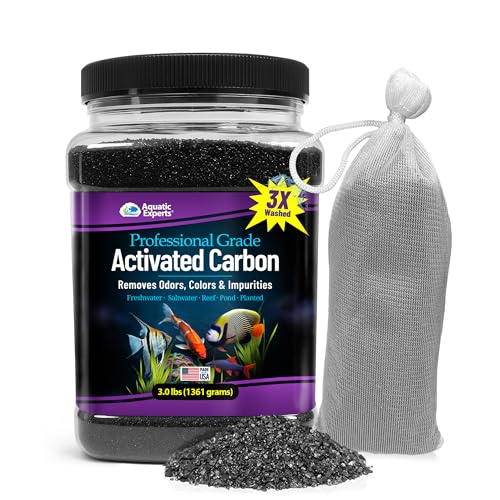
- High-performance carbon with deep cleaning of dissolved organics
- Suitable for fine mesh filter bags for best pore exposure
- Eliminates odors and discoloration while supporting pristine tank water
MAQIHAN Activated Charcoal Pellets, 410 g

- Made from coconut shell charcoal with nylon bags for mess-free use
- Large surface area for rapid adsorption of contaminants
- Compliant with most standard aquarium filters and media bags
Wave Point 5 Lbs Premium Virgin Activated Carbon Pellets

- Low ash content ideal for freshwater and reef environments
- Pellets are bagged in mesh bags for easy handling in canisters
- Effective at eliminating odors, discoloration, and dissolved organics
Minxue Activated Carbon Aquarium Bamboo Pellets

- Environmentally friendlier bamboo charcoal with minimal dust
- Porous structure supports efficient biofiltration
- Effective in removing odor and chlorine while clarifying water
Buying Guide: Key Purchase Considerations
- Filter compatibility: Check pellet size (commonly 3–4 mm) and whether the carbon works with your canister, hang-on, or sponge filters. If in doubt, choose carbon that ships with appropriate media bags or is designed for standard filter media bags.
- Source material and processing: Carbon from coconut shell typically offers high porosity and strong adsorption. Bituminous coal-based carbons are also common and can provide effective odor and discoloration control.
- Purity and dust: Look for products that emphasize low dust and minimal fines to reduce cloudiness and tank debris after replacement.
- Regeneration and lifespan: Some carbons last longer before needing replacement, depending on tank bioload and frequency of filter maintenance. Consider periodical rinsing and replacement schedules.
- Odor and discoloration targets: For tanks with plant life or heavy fish stocks, prioritize carbons with strong adsorption capacity for organics, tannins, and contaminants that cause yellowing or odors.
- Mesh-bag packaging: Paired carbon pellets in mesh bags can simplify installation and handling, while also reducing dust spread during maintenance.
- Environmental and safety considerations: Prefer carbons that are food-grade or aquarium-grade, with minimal processing residues. Ensure proper disposal of used carbon according to local guidelines.
- Tank type considerations: Freshwater, saltwater, reef, and pond setups may require different carbon formulations. Verify that the carbon is suitable for your specific water chemistry and inhabitants.
Across these options, the best choice depends on tank size, bioload, and maintenance preferences. For ongoing odor control and general water clarity, multiple brands offer high-purity, low-dust carbon pellets that fit standard filter media configurations. When evaluating candidates, prioritize adsorption capacity, pore structure, and compatibility with your filtration system to optimize aquarium water quality.