Aqua hobbyists seeking pristine water turn to activated carbon media to remove odors, discoloration, and pollutants. This guide reviews five highly effective aquarium carbon filters, highlighting compatibility, removal power, and how to use them with common filters. Each option helps maintain crystal-clear tanks, whether you keep freshwater, saltwater, or planted setups. Consider media size, potential interactions with medications, and replacement frequency to choose the best fit for your filtration system.
| Product | Brand | Type | Key Benefit |
|---|---|---|---|
| Fluval Carbon Filter Media | Fluval | Premium Bituminous Carbon Inserts | Wide compatibility; large surface area for impurities |
| Marineland Black Diamond Premium Activated Carbon | MarineLand | Activated Carbon | Odor and discoloration removal; long-lasting |
| Aquarium Carbon Pad | Aquatic Experts | Carbon Filter Pad | Mess-free, cut-to-fit versatility |
| AQUANEAT Activated Carbon Pad | AQUANEAT | Activated Carbon Pad | Effective odor and pollutant trapping; versatile filters |
| Fluval Spec/Evo/Flex Activated Carbon | Fluval | Replacement Filter Media | Premium carbon with strong impurity absorption |
Fluval Carbon Filter Media For Aquariums
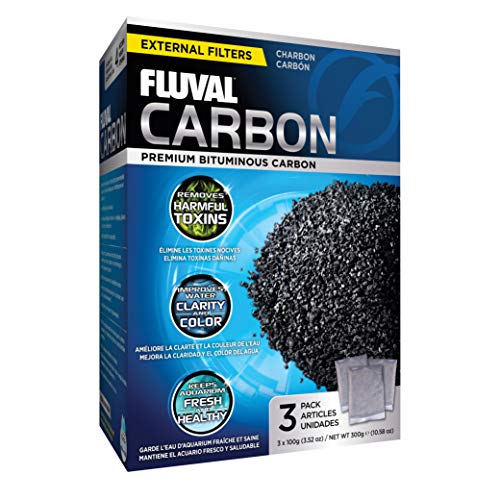
Fluval carbon inserts are designed for broad filter compatibility, fitting Fluval models such as 106, 206, 306, 406, FX5, and others. They use premium, low-ash carbon with a large internal surface area to adsorb impurities effectively. The media helps clarify water and reduce odors, making it suitable for tanks needing enhanced aesthetic and odor control. Note: remove carbon during medication administration and use cautiously with live plants.
Marineland Black Diamond Premium Activated Carbon

Black Diamond Premium Activated Carbon is heat-activated, bituminous coal-based carbon designed for chemical filtration in aquariums. It targets odors, discoloration, and impurities to deliver clear, sparkling water. The carbon’s formulation emphasizes sustained performance, helping maintain water quality over extended periods in various setups.
Aquarium Carbon Pad – Cut To Fit

This carbon pad replaces loose carbon, reducing mess while fitting virtually any filter. It’s easy to cut and shape to match your filter’s dimensions. The pad supports both freshwater and saltwater tanks and can be used with ponds. It helps eliminate odors and discoloration by providing a large surface area for adsorption and trapping residual toxins and medications.
AQUANEAT Activated Carbon Filter Pad

The AQUANEAT carbon pad uses activated carbon to trap large particles, odors, pollutants, and harmful chemicals. It is suitable for both freshwater and saltwater aquariums and works with various filter types, including canister, hang-on, and pond setups. DIY cut-to-fit capability enhances compatibility with different tank configurations.
Fluval Activated Carbon Replacement Media
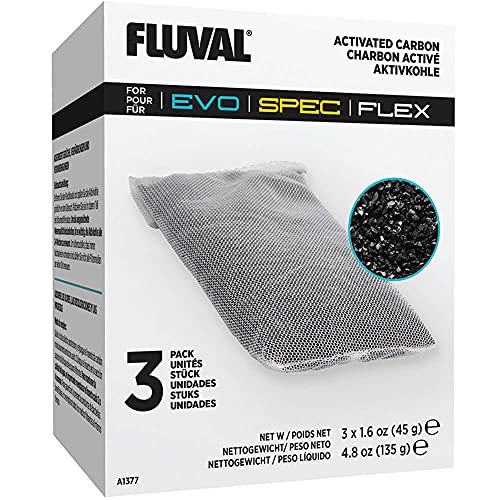
Fluval’s replacement carbon media is designed to be compatible with Fluval Spec, Evo, and Flex series. It removes heavy metals, odors, discolorations, and pollutants while providing a vast surface area for absorption. This media helps keep aquarium water crystal clear and conditions stable for a range of aquariums.
Marineland Black Diamond Premium Activated Carbon

This larger 40-ounce option provides substantial carbon content for more extended filtration needs. It targets odors, discoloration, and impurities to maintain a clean, clear aquarium environment. The material is designed to keep working after other carbons quit, supporting ongoing water quality in larger or heavily stocked tanks.
Buying Guide: Key Purchase Considerations For Aquarium Carbon Filters
- Tank type and stocking: Freshwater, planted, and reef tanks have different sensitivities. Planted tanks may require careful use around certain medications and plant reactions.
- Filter compatibility: Check whether the carbon media fits your canister, hang-on, or internal filter model. Some media are built for specific brands or lines, while others are universal.
- Carbon quality and porosity: Premium, low-ash carbon with high surface area generally removes impurities more efficiently and reduces ash buildup in the tank.
- Medication safety: Carbon can adsorb medications from the water, potentially reducing treatment efficacy. Plan medication schedules around carbon use.
- Replacement frequency: Depending on bioload and tank age, carbon media may need replacement every 1–6 weeks. Keep replacement schedules consistent to avoid breakthrough odors or discoloration.
- Pad vs. loose carbon: Carbon pads offer clean handling and minimal dust, while loose carbon provides potentially higher adsorption per volume but requires careful containment to prevent dust.
- Combination strategies: Many keepers run carbon media intermittently or in tandem with mechanical and biological filtration to balance clarity with other water quality goals.
- Size and form factor: Cut-to-fit pads and insert cartridges help tailor media to irregular filter geometries, reducing waste and improving fit.
- Safety and maintenance: Rinse media as recommended to remove residual dust before first use; follow manufacturer guidelines to avoid negative impacts on beneficial bacteria.
- Odor and clarity benchmarks: Use carbon when water shows odors or yellowing discoloration, but monitor for changes and be prepared to adjust filtration or water changes accordingly.