Blue-green algae, or cyanobacteria, can cloud a tank and stress aquatic life. The right treatment helps control growth, restore water clarity, and keep tanks safe for fish and plants. This guide reviews five proven products designed to combat blue-green algae in freshwater and planted aquariums. Each option targets algae while aiming to minimize disruption to beneficial bacteria and inhabitants.
Summary of Selected Products:
| Product | Brand | Primary Use | Format |
|---|---|---|---|
| Ultralife Blue Green Slime Stain Remover | Ultralife | Blue-green algae stain removal in reef and freshwater setups | Liquid |
| Blue Life Green Cyano Rx | Blue Life | Cyano algae control for fresh and saltwater tanks | Liquid |
| MICROBE-LIFT Algaway 5.4 | MICROBE-LIFT | Algae remover for freshwater and marine tanks | Liquid |
| Blue Life Reef Flux | Blue Life | Algae treatment for ornamental aquariums | Liquid |
| Tetra No More Algae Tablets | Tetra | Algae growth control and water clarity in freshwater tanks | Pills/Tablets |
Ultralife Blue Green Slime Stain Remover
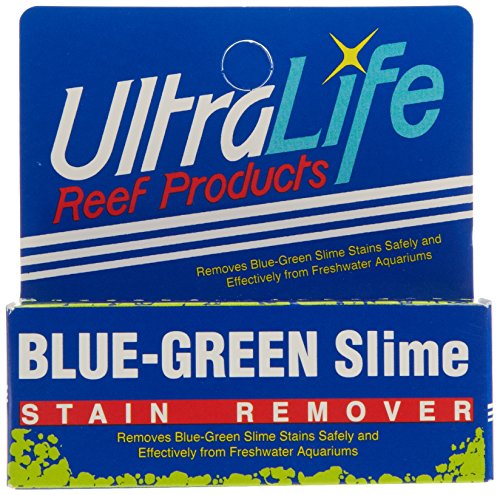
Ultralife’s Blue Green Slime Stain Remover is marketed as a key tool for restoring vibrant tank colors by addressing blue-green algae. The product description emphasizes its ability to negate blue-green algae stains and revive tank coloration, making it a practical option for either reef or freshwater setups facing algae-related color dulling. While its primary claim centers on stain removal, it is positioned as part of routine algae management for cleaner, more vibrant aquariums. Users should follow dosing instructions to avoid alterations to water chemistry and to protect inhabitants.
Blue Life Green Cyano Rx

Blue Life Green Cyano Rx is presented as a targeted treatment for cyanobacteria in aquariums. The product page highlights its focus on cyanobacteria control, aiming to reduce the red-tinged films and stringy growth associated with cyano blooms. It is suitable for use in both freshwater and saltwater environments, but as with any chemical treatment, users should monitor water parameters and ensure compatibility with plants, invertebrates, and filtration media. Effective use typically involves following manufacturer directions for dosing intervals and tank size.
MICROBE-LIFT Algaway 5.4 Algae Remover

MICROBE-LIFT Algaway 5.4 is a broad algae remover designed to quickly address various algae problems, including green water, hair algae, and filamentous algae. It emphasizes safety for fish and plants in both freshwater and saltwater systems and notes an improvement in oxygen levels, which can support healthier fish behavior and reduced stress during treatment. It is EPA Registered, suggesting a level of regulatory compliance and reliability. As with all algaecides, it should be used with caution in heavily stocked tanks and in systems with sensitive invertebrates.
Blue Life Reef Flux 7000MG

Blue Life Reef Flux 7000MG is described for ornamental aquariums and fish, with emphasis on its suitability for reef and planted tanks that may experience cyanobacterial challenges. The product notes a cautionary clause about human use and mentions that accidental tank overdoses can be mitigated using Clear Fx Pro. This underscores the need for careful dosing, especially in mixed communities with fish and aquatic plants. As with all chemical treatments, adherence to dosing guidelines and monitoring water parameters during and after treatment is essential.
Tetra No More Algae Tablets

Tetra No More Algae Tablets are designed to remove existing algae and help prevent future growth in freshwater tanks. The tablets claim to promote clearer water and are noted as suitable for both glass and acrylic tanks. They focus on steady, demand-based release rather than rapid, aggressive dosing, which can be advantageous in larger or more delicate aquariums where rapid chemical changes might stress inhabitants. For best results, align tablet use with tank size and existing maintenance routines.
Buying Guide: Key Purchase Considerations for Blue-Green Algae Treatments
- Tank type compatibility: Determine whether the product is appropriate for freshwater, saltwater, or planted tanks, and confirm compatibility with fish, invertebrates, and live plants. Some formulas are safer for sensitive invertebrates than others.
- Algae target and evidence: Assess whether the product targets cyanobacteria specifically (blue-green algae) or provides broad-spectrum algae control. Cyanobacteria-focused products may work faster on cyano blooms but might require follow-up maintenance.
- Water chemistry and dosing: Review instructions for dosing by tank size and water volume. Consider whether the product requires gradual dosing, water parameter monitoring, or temporary adjustments like aeration enhancements during treatment.
- Impact on filtration and substrates: Some treatments can affect biofilters or substrate-bound beneficial bacteria. Choose products that minimize disruption to the nitrogen cycle, especially in established tanks.
- Safety and EPA registration: For chemical algaecides, check safety notes and whether the product is registered or recommended for use in aquariums. This information helps gauge reliability and compliance with safe use standards.
- Follow-up care: After treatment, consider additional steps such as water changes, reduced lighting, or manual removal of dead algae to minimize nutrient rebound and prevent regrowth.
- Combination strategies: In persistent cases, combining proper tank maintenance (water changes, filtration, and substrate cleaning) with a targeted algaecide can improve outcomes. Plan a phased approach to avoid sudden ecological shifts.
- Long-term prevention: Address root causes of algae blooms, including excess nutrients, light exposure duration, CO2 levels for planted tanks, and stability of the aquarium ecosystem. Preventive measures reduce the need for frequent treatments.
When choosing a blue-green algae treatment, assess your tank’s inhabitants, filtration, and plant density. Each product carries its own dosing and safety profile, so follow the manufacturer’s guidelines carefully. For tanks with sensitive species or complex ecosystems, start with a test dose in a smaller section of the tank or a quarantine setup to observe responses before treating the entire system.