If you’re seeking reliable bio foam aquarium filters, these select options prioritize mechanical filtration with open-cell sponge media that support beneficial bacteria. They suit hobbyists building DIY setups, those upgrading pond or sump systems, and fishkeepers aiming for clearer water and stable habitats. The top picks below are chosen for compatibility, ease of sizing, and long-term durability for common freshwater and sump applications.
| Product | Best For | Notes |
|---|---|---|
| ALEGI Aquarium Sponge Filter Pad, 20″x20″x1″ (20PPI) | Medium-to-large tanks; DIY cut-to-fit installations | High-density sponge for strong mechanical filtration; easy to trim to size |
| Fluval 106/107 Bio-Foam, 2-Pack (A220) | Standard Fluval canister or hang-on setups | Designed to fit specific Fluval media chambers with reduced bypass |
| ALEGI Aquarium Sponge Filter Pad, 20″x20″x1″ (50PPI) | Fine filtration needs; smaller debris capture | Premium open-cell sponge with improved filtration surface |
| AQUANEAT Open Cell Foam Sheet, 9″ x 9″ x 0.5″ | Pre-filter, DIY sumps, HMF projects | Open-cell design with large inner surface area for filtration |
| Pawfly Aquarium Bio Sponge Filter Media Pad, 6.3″ x 5.5″ x 0.78″ | Small to mid-size tanks; pre-filter for various filters | Versatile size; easy to cut to fit multiple filters and sumps |
ALEGI 20x20x1 Bio Sponge Filter Pad (20PPI)

Mechanical filtration is the focus with a high-density sponge that captures suspended particles and waste. Best for larger aquariums or DIY filter housings where extra thickness enables longer contact with water. The material resists deformation over time, preserving filtration efficiency. Easy to cut to fit standard or custom filter chambers.
Who it’s best for: hobbyists building custom sump or canister setups and anyone needing durable, cut-to-size sponge media. Caution: precise trimming is required to prevent gaps that bypass filtration.
Fluval 106/107 Bio-Foam Replacement (2-Pack)

Designed to fit Fluval 106/107 media chambers, this bio-foam focuses on removing debris while allowing beneficial bacteria to colonize. Ideal for Fluval canister users seeking ready-made media with a snug fit that minimizes bypass. Pores support steady water flow and longer media life.
Who it’s best for: Fluval canister owners needing replacement foam that fits exactly and maintains filtration efficiency. Caution: may not fit non-Fluval systems without adapters.
ALEGI 20x20x1 Open-Cell Foam (50PPI)

Higher density with a finer filtration surface supports organisms that require steady water quality while still providing strong mechanical filtration. Cut-to-fit capability makes it versatile for custom filter housings and pre-filter roles. Durable material maintains shape under routine rinsing.
Who it’s best for: aquarists needing finer filtration in larger systems or those wanting to maximize beneficial bacteria habitat within the sponge. Caution: tighter pores may reduce flow in very heavy waste loads if not sized correctly.
AQUANEAT Open Cell Foam Sheet (11″ x 10.25″ x 2″)
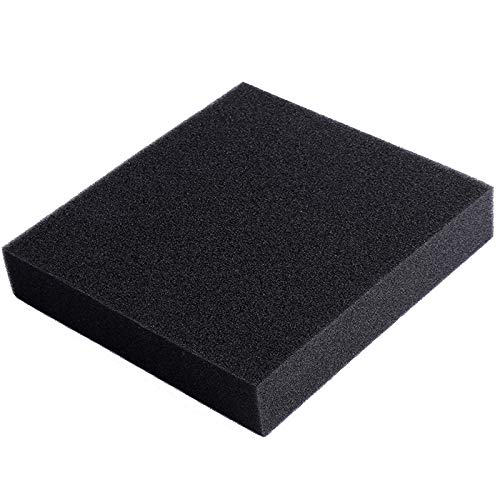
Large open-cell sponge with substantial inner surface area supports both mechanical and biological filtration. The 40 PPI designation suggests a balance between pore size and flow capacity, making it a versatile option for pre-filter duties or HMF DIY projects. It can be trimmed to fit many setups.
Who it’s best for: hobbyists who design custom filtration configurations, including sumps and HMF installations. Caution: verify compatibility with your filter’s dimensions before trimming to ensure a proper seal.
AQUANEAT 6-Pack Sponge Pads for AquaClear/Fluval

This pack provides multiple cut-to-fit pads compatible with AquaClear and similar filters, supporting debris capture while enabling a robust microbe colony. Reusable after rinsing, the pads help maintain stable water flow through porous structure. Suitable for replacement or upgrade in larger series filter systems.
Who it’s best for: aquarists needing multiple replacement pads for ongoing maintenance across several filter stages. Caution: confirm fit with your exact filter model to avoid bypass.
Pawfly 4 Pack Bio Sponge Filter Pads

This set provides a versatile size for different filtration systems, including sumps and DIY canister configurations. The pads offer effective mechanical filtration with a larger contact area for water exposure, enhancing filtration efficiency when paired with broader biological media.
Who it’s best for: users needing a flexible, cut-to-fit option for several filters or to create custom pre-filter components. Caution: ensure the thickness matches your filter chamber to avoid tight fits or water bypass.
Buying Guide: Key Considerations for Bio Sponge Filter Media
- Filter compatibility: Match sponge density, thickness, and dimensions to your filter canister or sump chamber to prevent bypass and ensure proper water flow.
- Pore size and density: Higher PPI (pores per inch) yields finer filtration but may reduce flow; balance with your tank load and flow rate.
- Durability and cleaning: Look for materials that resist deformation and withstand repeated rinsing without shedding debris into the tank.
- Biological filtration support: Select sponges with open-cell structure that provide surface area for beneficial bacteria colonization.
- DIY suitability: If you plan to cut or shape media, ensure the sponge maintains integrity after trimming and fits your intended housing.
- Replacement cadence: Consider availability of multi-pack options to simplify ongoing maintenance and reduce downtime.
- Application versatility: Open-cell foams are suitable as pre-filters, HMF components, sump dividers, or full-media replacements depending on system design.
FAQ
What is the main purpose of bio sponge filter media?
To provide both mechanical filtration (removing debris) and a habitat for beneficial bacteria that biologically process waste.
How do I know what size sponge to buy for my filter?
Check your filter’s internal dimensions and the recommended media size from the manufacturer; choose cut-to-fit sponges when possible for a snug seal.
Can sponge filters be used in saltwater tanks?
Yes, but ensure the sponge material is compatible with your saltwater system and avoid rapid flow changes that stress corals or invertebrates.
How often should sponge media be replaced or cleaned?
Rinse gently in tank water during water changes to preserve beneficial bacteria; replace media if it begins to crumble, disintegrate, or foul excessively.
Are all sponge filters the same for DIY setups?
No. Density, pore size, and thickness vary; select media that matches your filter’s flow rate and the tank’s bioload for best results.