Finding the right water treatment is essential for healthy betta kept in bowls or tanks. This guide highlights five reliable betta water conditioners, explaining who each product is best for and why. Use these solutions to neutralize chlorine, chloramines, ammonia, and heavy metals, while supporting the betta’s slime coat and overall health. Ideal buyers include beginners setting up a betta aquarium, hobbyists managing weekly water changes, and keepers needing stress relief for stressed fish after transport or handling.
| Product | Best For | Why It Stands Out |
|---|---|---|
| Tetra BettaSafe | Beginner Bettas | Fast-acting, reduces stress, easy tap water conditioning. |
| API Tap Water Conditioner | Small to mid-size setups | Neutralizes chlorine and chloramines; versatile for various tanks. |
| API Betta Water Conditioner | Betta-focused needs | Specifically targets betta care; protects gills and tissue. |
| Crystalpro Betta Water Conditioner | Economical, large tanks | Detoxifies with high concentration; treats up to 660 gallons. |
| Crystalpro Betta Minerals | Soft or RO water setups | Recreates natural minerals for color and vitality. |
All five products are designed to make tap water safe for bettas by neutralizing harmful chemicals and stabilizing the aquarium environment. When selecting, consider tank size, water source (tap vs. RO/softened), and whether you want minerals or stress-relief features. The following sections provide concise, product-specific guidance to help you compare quickly and decide.
Tetra BettaSafe Water Conditioner
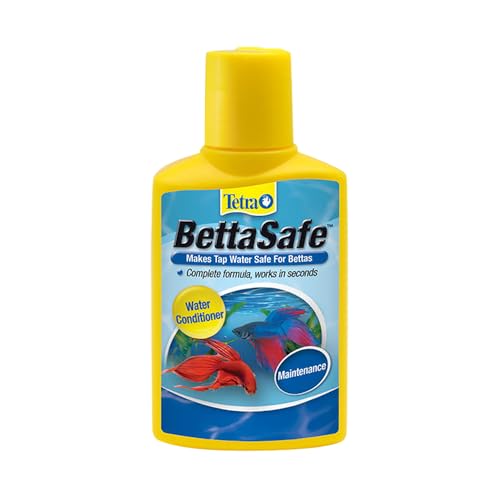
Tetra BettaSafe helps make tap water safe for bettas and other ornamental fish. It neutralizes chlorine, chloramines, ammonia, and heavy metals, reducing stress. This product is fast-acting and suitable for new setups or water changes. Best for beginners who want a straightforward, ready-to-use conditioner that works in seconds.
Who it’s best for: New betta owners setting up a tank or bowl, and anyone needing quick detoxification after water changes. Caution: May be less concentrated for very large tanks; check your total water volume before dosing.
API Tap Water Conditioner 16-Ounce

API Tap Water Conditioner neutralizes chlorine, chloramines, and other chemicals to make tap water safe for fish and prevent gill damage and tissue irritation. This versatile option supports general aquariums, including betta setups, during both filling and water changes.
Who it’s best for: Pet owners with regular water changes and mixed fish populations. Caution: Not betta-specific, so users may want to pair with minerals if needed for stressed or particularly sensitive fish.
API Betta Water Conditioner 1.7-Ounce
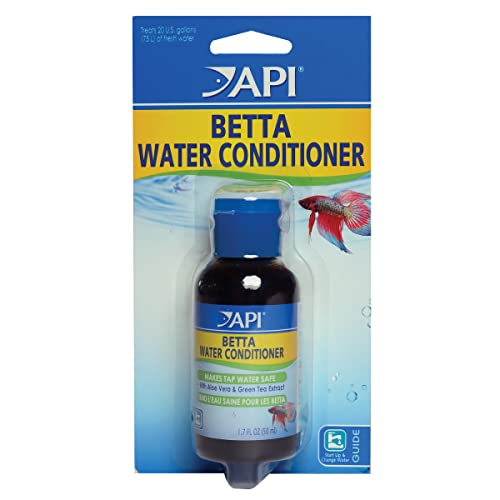
API Betta Water Conditioner is designed specifically for bettas, neutralizing chlorine, chloramines, and ammonia while protecting gill tissues. It aims to reduce stress and prevent chemical hazards during water changes or new introductions.
Who it’s best for: Betta keepers seeking a betta-focused conditioner with explicit protection for gills and tissue. Caution: Bottle size is small; larger tanks may require multiple applications per change.
Crystalpro Betta Water Conditioner

Crystalpro Betta Water Conditioner instantly detoxifies tap water by removing chlorine, chloramines, and heavy metals. It is highly concentrated; just four drops treat a gallon, making it economical for larger setups. Also helps neutralize ammonia spikes to protect gill health during water changes.
Who it’s best for: Bettas in larger tanks or enthusiasts prioritizing cost per gallon due to high concentration. Caution: Requires precise dosing to avoid over-treatment in very small bowls.
Crystalpro Betta Minerals

Crystalpro Betta Minerals recreates a natural water environment by adding essential minerals and electrolytes to soft or RO water. It supports a healthy slime coat, immune system, and vibrant coloration, benefiting bettas in non-treshwater sources or softened water setups.
Who it’s best for: Bettas kept in soft or RO water where mineral supplementation is needed for color and vitality. Caution: Not a stand-alone conditioner; use with a standard water conditioner for chlorine and ammonia control.
Buying Guide: Key Considerations For Betta Water Treatment
- Water source: Tap water requires dechlorination; RO or soft water may need mineral supplementation.
- Tank size: Larger tanks dilute doses; choose products with clear dosage guidelines per gallon.
- Betta health: For stressed fish or recent transfers, seek conditioners that support slime coat and tissue protection.
- Mineral needs: If using soft or RO water, consider products that replenish minerals to support color and vitality.
- Concentration and cost: High-concentration formulas can treat more gallons; calculate total gallons in your setup.
- Ease of use: Short ingredient lists and quick-acting formulas reduce room for error during water changes.
FAQ
- What does a betta water conditioner do? It neutralizes chlorine, chloramines, ammonia, and heavy metals to make water safe for bettas and support gill health.
- Can I mix different brands? It’s best to avoid mixing active ingredients; follow each product’s dosing guidelines and choose one reliable option for consistency.
- How often should I treat water? Add conditioner when filling a tank, during water changes, or after transporting bettas to reduce stress.
- Is mineral supplementation necessary for all bettas? Only if your water source lacks minerals; otherwise, standard dechlorination is often sufficient. For soft or RO water, minerals help color and health.
- What’s the best betta-specific conditioner? Betta-focused formulations tend to emphasize gill protection and stress reduction, but all listed products provide essential dechlorination and safe water for bettas.
- Are there any safety tips? Always dose according to bottle instructions, avoid over-dosing, and monitor fish after any water change for signs of stress.