The best artificial reef rocks for saltwater tanks provide reef-safe materials, realistic textures, and stable bases for corals and live rock. This guide highlights top options for different aquarists—whether you’re building layered shelves, arches, or standalone rock formations. It focuses on reef-safe calcium-carbonate compositions, porous surfaces for beneficial bacteria, and easy setup for aquascaping enthusiasts. Each product is chosen for durability, versatility, and suitability to your tank size and coral placement goals.
| Product | Best For | Why It Stands Out |
|---|---|---|
| Real Reef Shelf Rock, 10 lb Mixed Box | Layered reef builds; coral placement on flat surfaces | Flat, table-like reef rock that supports stable coral frags and multi-level aquascapes while remaining reef-safe and sustainably sourced. |
| Real Reef Original Rock, 25 lb Mixed Box | Medium to large tanks with caves, arches, and islands | Assorted shapes and sizes; bio-active and pH-stabilizing for long-term reef health without wild-reef harvesting. |
| Real Reef Original Rock, 50 lb Mixed Box | Large tanks needing expansive, natural-looking structures | Larger mix for flexible designs; promotes biological filtration and pH stability across bigger volumes. |
| Real Reef Arches, Large 14″ (4-Pack) | Dramatic overhangs and elevated platforms | Four sizable arches for dramatic aquascapes; calcium-based, reef-safe, and bio-active for filtration. |
| Carib Sea Life Rock Arches for Aquariums | Natural caves, tunnels, and arches | Porous aragonite arches that support coral attachment and improve biological balance. |
Real Reef Shelf Rock, 10 lb Mixed Box

Real Reef Shelf Rock mimics Tonga Shelf Rock with flat, shelf-like formations. Best for aquarists building layered reef platforms, horizontal ledges, and multi-level coral displays. The mix includes various sizes to tailor elevations and create stable perches for coral frags and clams. This option is ideal for smaller to mid-sized tanks prioritizing predictable, flat surfaces for placement. A potential limitation is that very large or complex architecture may require additional pieces from another rock type to fill gaps.
Best for: hobbyists seeking stable, flat surfaces to host corals on elevated platforms without disrupting natural appearance.
Limitations: May require supplementary pieces for extensive 3D structures in very large tanks.
Real Reef Original Rock, 25 lb Mixed Box
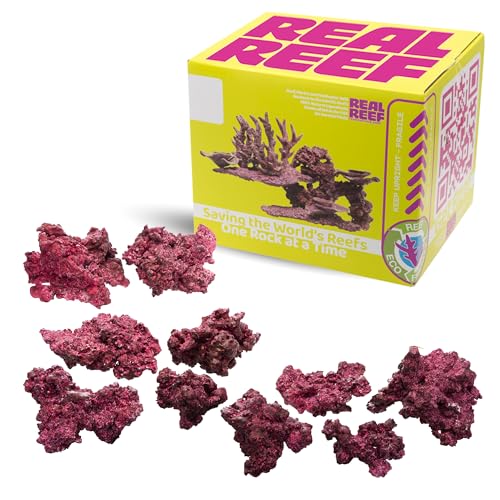
Real Reef Original Rock offers a versatile mix of shapes and sizes for tanks of various dimensions. It provides a natural, mature look and supports biological filtration with calcium-carbonate bases. This set suits aquarists who want flexible designs—caves, arches, islands, and custom formations—without relying on wild reef harvesting. Consider pairing with add-ons for larger scapes, as the 25 lb box may be shy for very big displays.
Best for: aquarists designing varied reef metrics in mid-sized tanks with an emphasis on bio-activity and pH stability.
Limitations: May require additional rock pieces for larger reef projects.
Real Reef Original Rock, 50 lb Mixed Box

This larger 50 lb mix is designed for sizable reef systems. It preserves the same reef-safe, calcium-rich composition while expanding the design possibilities for caves, arches, and flat platforms. It also contributes to biological filtration and natural pH buffering, supporting long-term reef stability in bigger tanks. The main caution is coordinating transport and placement in very large setups where weight and space must be planned.
Best for: large tanks needing abundant, naturalistic rockwork with strong bio-filtration potential.
Limitations: Heavier and bulkier; plan for careful handling and placement in the aquarium layout.
Real Reef Arches, Large 14″ (4-Pack)

These four ~14″ arches provide dramatic overhangs, swim-throughs, and elevated coral platforms. The arches are calcium-rich and reef-safe, designed to bolster biological filtration while enhancing visual depth. They are best for large tanks or mid-sized setups that aim for a focal architectural feature. A limitation is the need for careful placement to ensure stability and avoid crowding corals on nearby surfaces.
Best for: dramatic, high-visibility reef structures in larger tanks.
Limitations: Requires adequate tank footprint and support to maintain balance and stability.
Carib Sea Life Rock Arches for Aquariums
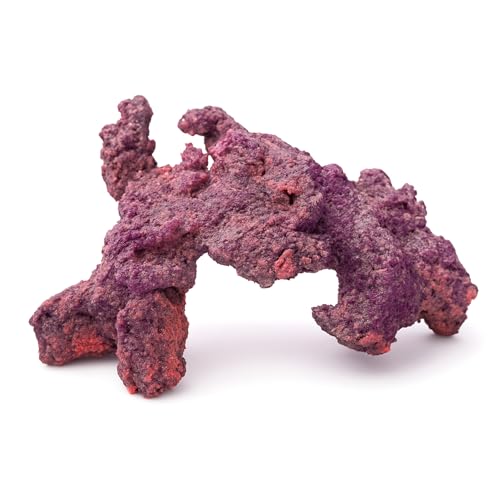
The Life Rock Arches set includes four 12″ rocks designed specifically for natural caves, arches, and tunnels. Made from porous aragonite, these rocks offer attachment points for coral frags and support balanced tank biology. They’re well-suited for aquascapers who want natural-looking, breathable rock surfaces and a stable habitat for coral growth. A caveat is that very large or unusually shaped tanks might call for additional rock pieces beyond the arches alone.
Best for: creating natural caves and arches with good porosity for coral growth.
Buying Guide: Key Considerations for Artificial Reef Rocks
What rock composition should I choose? Look for calcium-carbonate or aragonite bases that mimic real reef rock and support biological filtration. Porosity matters for beneficial bacteria and coral attachment.
Which shapes fit my tank layout? Flat shelves are ideal for stable coral placements, while arches and caves add depth and hiding spots. For larger tanks, combine pieces to form focal structures and swim-throughs.
How does size affect handling? Heavier, larger boxes require planning for transport and installation. Start with a layout plan to avoid rearranging later.
Are these rocks reef-safe and sustainable? Prioritize products described as reef-safe and sourced without harvesting from wild reefs. Eco-friendly options help maintain sustainable reefkeeping practices.
What about maintenance and long-term stability? Rocks that buffer pH and promote bio-filtration reduce water chemistry fluctuations. Consider mixing pieces with different textures to support diverse corals.
Practical Tips for Selecting and Placing Artificial Reef Rocks
- Sketch a layout before buying to visualize where shelves, arches, and caves will sit in your tank.
- Arrange larger pieces first to form a sturdy backbone, then fill gaps with smaller rocks.
- Place frag plugs on elevated surfaces or arches where light and flow are favorable.
- Ensure even weight distribution and avoid sharp collisions with equipment or overflow areas.
- Routinely monitor water flow around rock structures to prevent dead spots.
FAQ
Are artificial reef rocks safe for reef tanks?
Yes, when they are reef-safe and designed for marine environments. Look for calcium-carbonate bases and non-toxic finishes.
Will these rocks affect pH?
Biologically active rocks can buffer pH over time, supporting stable reef conditions in many setups.
Can I stack shelves and arches together?
Yes, combine shelf rocks with arches and larger pieces to create a multi-level landscape, while ensuring stability.
Do these rocks require curing?
Some dry or base rocks may need curing or conditioning based on their origin; follow product-specific guidance for best results.
Which option is best for a beginner?
Shelf rocks and mixed-box formations with straightforward placement are often easiest for beginners building stable structures.
How should I clean artificial reef rocks?
Rinse with freshwater before placement and avoid harsh cleaning chemicals that could leave residues.