Finding the right aquarium tap water purifier helps you neutralize chlorine and chloramines quickly, protecting fish health and reducing stress during water changes. This guide highlights five reliable options, suitable for different tank sizes, budgets, and usage patterns. Whether you’re setting up a new tank or maintaining an established one, these products are selected for clear instructions, straightforward usage, and dependable results. The buyer-friendly table below summarizes each option to help you compare at a glance.
| Product | Brand | Volume | Best For |
|---|---|---|---|
| API TAP WATER CONDITIONER 16-Ounce | API | 16 oz | Small to medium tanks; quick conditioner needs |
| API Fishcare 52Q API TAP 32-Ounce | API | 32 oz | Mid-size tanks; cost-effective bulk option |
| API TAP WATER CONDITIONER 4-Ounce | API | 4 oz | Travel or spot-use; small-volume needs |
| Aqueon Aquarium Water Conditioner 16 oz | Aqueon | 16 oz | General freshwater setups; widely available |
| Cute Farms Tap Water Conditioner for Plants, 16 oz | Cute Farms | 16 oz | Multi-use for plants and aquariums; versatile |
API TAP WATER CONDITIONER 16-Ounce Bottle

What it is: A ready-to-use water conditioner that neutralizes chlorine, chloramines, and other chemicals in tap water to make it safe for fish. It helps prevent gill damage, tissue irritation, and mortality caused by municipal water additives.
Best for: Small or nano tanks and beginners who want a simple, reliable solution for regular water changes. This bottle is ideal for hobbyists who perform frequent, small-volume changes.
Why selected: It provides a straightforward, widely available option with clear indications of safety for fish health. The 16-ounce size balances cost per use with convenient storage for ongoing use.
Caution: Check your water parameters if you’re using water-treatment products in combination with medications, as some formulations may interact.
API Fishcare 52Q API TAP Aquarium Water Conditioner 32-Ounce

What it is: A larger-volume conditioner designed to neutralize chlorine, chloramines, and other chemicals in tap water, ensuring safe water for fish after changes or fills.
Best for: Medium to larger tanks or households performing regular larger water changes. More economical per gallon for steady maintenance.
Why selected: The 32-ounce bottle offers a cost-effective option for ongoing use without frequent repurchases, while still delivering quick, straightforward treatment.
Caution: As with any conditioner, avoid double-dosing when using other water-treatment products or medications unless directed by product guidelines.
API TAP WATER CONDITIONER 4-Ounce Bottle

What it is: A compact bottle for quick tap water conditioning, suitable for quick fills or travel setups.
Best for: Travel aquarists or hobbyists who occasionally need a small-volume conditioner without carrying larger containers.
Why selected: Small size supports portability and convenience, ensuring safe water in temporary or portable setups.
Caution: Minimum splash risk during transport; ensure cap is secure to prevent leakage during storage or transit.
Aqueon Aquarium Water Conditioner 16 oz
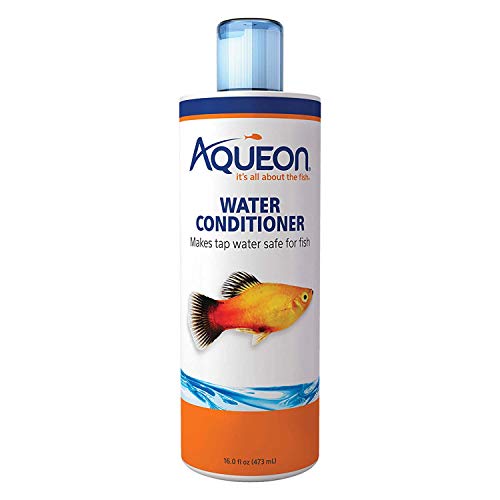
What it is: An 16-ounce water conditioner branded by Aqueon, designed to make tap water safe for fish and support stress relief during handling.
Best for: General freshwater aquariums and routine water changes, especially for hobbyists already using Aqueon products.
Why selected: It provides a familiar brand option with straightforward instructions for safe water preparation.
Caution: As with any conditioner, verify compatibility with any medications or supplements used in the tank before mixing.
Cute Farms Tap Water Conditioner for Plants, 16 oz

What it is: A multi-use water conditioner marketed for plants and aquariums, designed to detoxify heavy metals, remove chlorine and chloramines, and balance pH.
Best for: Tank setups that also include live plants or hydroponic components, offering a combined water-conditioning approach.
Why selected: It expands utility beyond fish-only tanks, appealing to aquarists with plant growth goals.
Caution: Note that this product emphasizes plant health; confirm compatibility with fish species when used in mixed tanks.
Buying Guide: Key Purchase Considerations
What size tank do you have? For small tanks, a 1–4 ounce bottle may be sufficient for occasional water changes, while larger tanks benefit from 16–32 ounce options for bulk use. Consider your typical water-change volume and whether you perform frequent changes or large-volume fills.
Which chemical matters most? If your water has chlorine only, any standard tap water conditioner suffices. If chloramines are present, ensure the product explicitly neutralizes chloramines. Some conditioners also target heavy metals or pH balance considerations for sensitive species.
How often will you use it? For hobbyists who perform weekly changes, a mid-sized bottle (16–32 oz) is usually cost-effective. If you’re just starting, you may prefer a smaller bottle to test compatibility with your fish.
Brand and availability: API is widely recognized for aquarium care products and tends to be easy to find. Aqueon is another familiar option, while plant-focused products can appeal to plant-heavy setups. Availability and price per ounce can influence long-term decisions.
Safety and dosing: Always follow the label’s dosing instructions. Avoid overdosing, especially if medications or other water-treatment products are in use. Some products are not intended for use with certain aquatic life or in combination with chemical additives.
FAQ
- Do I need a water conditioner for every water change? Yes, if you are using tap water for changes, a conditioner helps neutralize harmful chemicals to protect fish health.
- Can I use multiple conditioners together? Follow the product directions. In many cases, combining different brands without guidance is not recommended.
- Will conditioner fix all water problems? Water conditioners address chlorine, chloramines, and certain heavy metals, but they do not fix problems like ammonia spikes or nitrate buildup, which require other methods.
- Is a larger bottle always better value? Generally, larger bottles offer lower cost per ounce, but choose based on your tank size and how often you perform changes.
- Can I use conditioner with planted tanks? Many conditioners are safe for fish and plants, but verify plant compatibility for any products marketed specifically for aquatic plants.
- What should I do if my fish show stress after water changes? Check water parameters (ammonia, nitrite, nitrate, pH) and ensure you’re following acclimation procedures and dosing guidelines.