Answering the question for aquarium owners seeking reliable, fish-safe sealants, this guide highlights five top Amazon options that are known for non-toxic formulations, quick cures, and strong adhesion. These products are suitable for sealing seams, repairing acrylic tanks, and waterproofing lids, filtration housings, and glass panes. They’re best for hobbyists who want easy application, clear finishes, and durable seals. The table below compares key options to help you choose quickly.
| Product | Brand | Best For | Key Benefit |
|---|---|---|---|
| Gorilla Waterproofing Spray Clear | GORILLA | Outdoor and indoor tanks with gaps | Flexible rubberized seal, UV resistant |
| 1 Pack Aquarium Silicone Clear Sealant | LISRUX | Freshwater and saltwater tanks | Fast curing, fish-safe, strong adhesion |
| SELSIL Aquarium Silicone Clear Sealant | selsil | Glass bonding, non-porous surfaces | Solvent-free, ozone and UV resistant |
| Aqueon Silicone Sealant Clear | Aqueon | General aquarium sealing | Permanent flexible sealant |
| Kraken Bond Aquarium Silicone Sealant Clear | KRAKEN BOND | Leak-proof tank seams | Non-toxic, fast curing, strong adhesion |
Gorilla Waterproofing Spray Clear: Flexible Sealant Coating
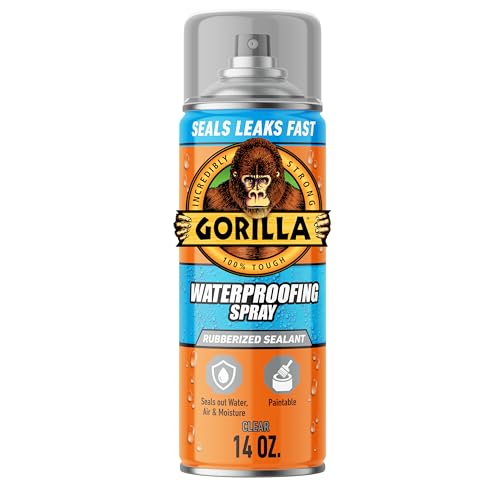
Best for: hobbyists needing a versatile, spray-on sealant for small gaps around aquarium lids, corner cracks, or plastic/acrylic joints. The product applies as a flexible, rubberized coating that resists water, air, and moisture. It dries clear and is UV resistant, offering durable, watertight repairs in a single coating. Limitations: not a dedicated aquarium silicone; ensure the spray is used away from fish exposure until fully cured in a well-ventilated area.
1 Pack Aquarium Silicone Clear Sealant (LISRUX)

Best for: aquariums requiring a fish-safe, odor-free silicone sealant with quick cure times. The product is 100% silicone and non-toxic, curing primarily through moisture. It adheres well to glass and many non-porous surfaces, providing a permanently flexible bond. Caution: cure times vary with bead size and environmental conditions; plan for up to 48 hours for full strength, and ensure proper ventilation during application.
SELSIL Aquarium Silicone Clear Sealant

Best for: aquarium builders prioritizing a solvent-free, ozone-resistant, and UV-stable sealant. SELSIL is a transparent, elastic adhesive suitable for glass and many non-porous substrates, supporting freshwater and saltwater setups. Limitation: while highly elastic, it’s best used where a silicone that cures with atmospheric moisture is suitable; ensure the surface is clean and dry for best adhesion.
Aqueon Silicone Sealant Clear
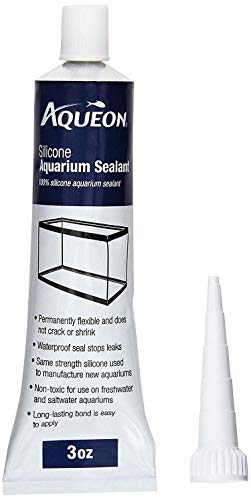
Best for: established aquariums needing a dependable, permanently flexible seal. Aqueon silicone is designed to stop leaks with a long-lasting bond, suitable for sealing seams and repairing glass and acrylic components. Limitation: as with most silicone, curing times can vary with humidity and temperature; plan accordingly to avoid disturbances to the tank during curing.
Kraken Bond Aquarium Silicone Sealant Clear
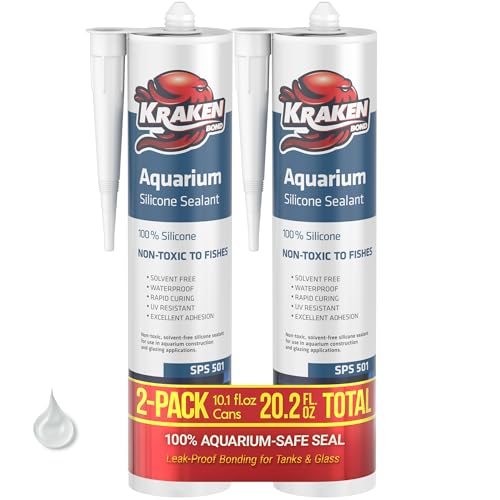
Best for: users seeking a two-pack option with strong adhesion and quick curing. Kraken Bond emphasizes non-toxicity and clear, durable seals that tolerate varied aquarium conditions. Caution: verify compatibility with your specific tank materials and ensure surfaces are clean for maximum bond strength.
Buying Guide
Choosing the right aquarium-safe sealant involves balancing fish safety, cure time, substrate compatibility, and the environment where the seal will be applied. Consider the following questions to guide your decision:
- What type of surface needs sealing? Glass, acrylic, tile, or plastic may affect adhesive choice (silicone vs. spray-on coatings).
- Is fish safety the primary concern, or is UV resistance important for outdoor installations?
- What cure time fits your project schedule? Quick cures reduce downtime but may require specific environmental conditions.
- Will the sealant face freshwater, saltwater, or a combination? Look for products labeled for both or designed for aquarium use.
- Do you prefer a clear, flexible seal or a hard, rigid bond? This affects both aesthetics and movement tolerance in the tank.
- Are you sealing small gaps or larger seams? Some products are better for fine gaps, others for broader repairs.
Practical tips
- Prepare the surface by cleaning and drying completely before applying sealant.
- Avoid exposing fish to sealants during curing; ventilate well and allow full cure before refilling the tank.
- Follow manufacturer guidance for application thickness and cure times to achieve best results.
FAQ
- Are aquarium sealants safe for fish?
Yes, choose products labeled fish-safe or specifically designed for aquariums to minimize risk during curing and in-use conditions.
- How long does curing take for silicone sealants?
Cure times vary; most require several hours to set and up to 48 hours for full strength, depending on bead size and environmental factors.
- Can I use spray-on sealants for tanks?
Spray products can be convenient for small gaps, but ensure they are compatible with aquarium use and allow full cure away from water and fish.
- What surfaces work best with aquarium silicone?
Glass, acrylic, and other non-porous surfaces typically bond well with 100% silicone sealants designed for aquariums.
- Is UV resistance important for indoor tanks?
For tanks exposed to strong light, UV-resistant formulations help maintain seal integrity and clarity over time.