Floating aquarium plants offer a simple way to create shade, reduce algae growth, and provide natural cover for shy fish. This guide highlights five top floating plant options, ideal for beginners and experienced keepers alike. Each option is evaluated for light needs, maintenance, and suitability for common tank setups. The top picks below are best for viewers seeking easy-to-care-for surface plants that thrive with moderate to bright light and minimal substrate requirements.
Summary table of selected products:
| Product | Best For | Key Benefit | Notes |
|---|---|---|---|
| Salvinia Minima Floating Live Aquarium Plants | Low-maintenance beginners | Dense green mat on surface | Easy care under medium-high light |
| Water Spangle (Salvinia Minima) by Aquarium Plant Center | Moderate light setups | 4″ surface coverage per bundle | Low to medium light friendly |
| 24 Water Spangles (Salvinia Minima) by G&Z | Budget-friendly starter plants | Typically 4 leaves per plant | Special lighting recommended indoors |
| 12 Amazon Frogbit (Limnobium Laevigatum) by G’z | New or small tanks | Surface shade with root structure | Temperature checks advised |
| Canton Aquatics Red Root Floaters | High-contrast color and fast cover | Red root accents with green canopy | Hardy and fast-growing |
Salvinia Minima Floating Live Aquarium Plants — 60+ Leaves Water Spangles
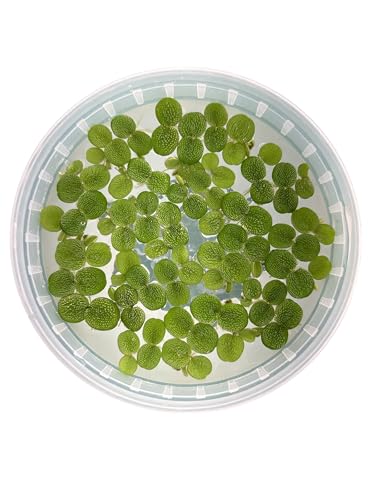
Salvinia Minima, commonly known as Water Spangles, are tiny, fast-muling floating plants that form a dense surface carpet. They require medium-to-high lighting and are ideal for beginners seeking an easy, self-propagating cover. Best for tanks that need surface shade and a natural, lush look without substrate.
Best for: Aquariums that need quick surface coverage and light shading with minimal maintenance. Better for moderate to bright light setups; avoid in very low-light tanks where growth may stall.
Why selected: Compact growth forms a dense mat, helping suppress algae by limiting light reaching deeper waters while providing cover for shy fish and fry. Simple care makes them a reliable starter plant for community tanks.
Caution: Salvinia Minima benefits from consistent lighting; in very low-light environments, growth may be weak and mats can thin out.
Water Spangle, Salvinia Minima — 6 Plants, 60+ Leaves

This Water Spangle bundle focuses on a compact, low-maintenance floating plant suitable for circular tank areas around 4 inches in diameter per batch. It’s light-demanding but forgiving for beginners who maintain freshwater aquaria with stable conditions.
Best for: Tank owners wanting a ready-to-go floating cover with multiple plants per order. Better for small to medium tanks with steady temperature control and at least low-to-moderate light.
Why selected: The bundle provides substantial surface coverage and a quick way to establish a visible green canopy. It’s less sensitive to fluctuations than some high-demanded species.
Caution: Temperature swings and overly intense direct sunlight can affect growth; minimize heat spikes to avoid plant stress.
24 Water Spangles (Salvinia Minima) — Live Aquarium Plants

This batch contains 24 Salvinia Minima plants, each typically carrying 4–6 leaves. It’s a practical choice for hobbyists who want noticeable coverage quickly and can provide an indoor aquarium with supplemental lighting to maximize growth.
Best for: New tanks or setups where a visible surface canopy is desired without substrate requirements. Better for low-to-medium light environments with a dedicated lighting plan.
Why selected: The quantity provides a balance between initial coverage and ongoing maintenance. It’s an economical option that still yields a lush appearance over the water surface.
Caution: Ensure a proper light spectrum for aquatic plants to avoid pale coloration or stagnation in growth.
12 Amazon Frogbit (Limnobium Laevigatum) — Live Floating Plant
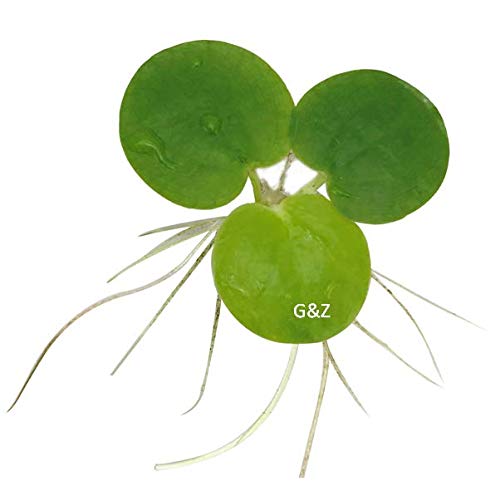
Frogbit is a versatile floating plant featuring broad leaves with dangling roots that contribute to a natural look and provide surface shading. The listing notes 12 plants per order, with each plant containing multiple leaves and roots for a quick setup in 4×4 inch surface areas.
Best for: Beginners who want a dramatic surface canopy and visible root structures that can assist with water quality by absorbing excess nutrients. Suitable for small to medium tanks with stable temperatures.
Why selected: Frogbit offers both aesthetic appeal and ecological benefits, including a natural refuge for fry and microbes in the water column. It’s generally resilient in varied light conditions.
Caution: Temperature fluctuations outside the recommended range can impact survival; monitor water temperature and avoid rapid swings.
Canton Aquatics Red Root Floaters — Floating Plant Surface

Canton Aquatics Red Root Floaters present bold red roots that contrast with green floaters, creating a striking display while providing dense surface cover. The variety is described as easy to care for and fast-growing in freshwater tanks and ponds.
Best for: Aquarists seeking color contrast and rapid surface coverage in community or shrimp tanks. Better for tanks with stable light and moderate nutrient levels to support growth.
Why selected: Red-root floaters add visual interest to a display without requiring complex husbandry. They respond well to nutrient availability and light, enabling quick canopy formation.
Caution: New setups should monitor nutrient levels to avoid excessive algae growth; balance light and nutrients for optimal health.
Buying Guide: Floating Aquarium Plants — Key Considerations
- Light Requirements: Floating plants vary from low to bright light tolerance. Match the plant with your tank’s lighting to maximize growth and prevent leggy, unhealthy growth.
- Temperature Range: Most floating species prefer stable, moderate temperatures. Check each product’s notes for upper and lower bounds to avoid stress or poor survival.
- Coverage Needs: Consider your tank size and the surface area you wish to shade. Some bundles are designed for quick, dense mats, while others provide more moderate coverage.
- Maintenance: Floating plants generally require little substrate care but benefit from occasional pruning to prevent overgrowth and to maintain water quality.
- Color and Texture: Red-root floaters and variegated greens create visual interest. A mix of textures can provide a more natural and dynamic display.
- Water Quality: Floating plants can help absorb nutrients, potentially reducing algae. They are not a substitute for proper filtration and regular water changes.
Practical Tips for Keeping Floating Plants Healthy
- Provide consistent lighting to encourage steady growth and prevent plant die-off.
- Avoid placing floating plants under direct intense sunlight for extended periods to prevent overheating.
- Regularly trim mats to maintain airflow and prevent them from blocking essential light for deeper tank regions.
- Observe for signs of nutrient deficiency or algae blooms and adjust feeding and fertilization accordingly.
FAQ
- Are floating plants suitable for small tanks? Yes, many options come in bundles sized for compact surfaces and can quickly establish a shaded canopy.
- Do floating plants need substrate? Most floating species do not require substrate; they float on the water surface and root into the water column.
- Will floating plants affect my fish? Floating plants generally provide shelter and natural behavior opportunities for shy fish and fry, but ensure room for swimming space and oxygenation.
- Can floating plants help control algae? They can help by competing for nutrients, but they should be used with proper filtration and water changes.
- What lighting is best for Salvinia Minima and similar species? A spectrum that supports aquatic plant growth, typically including blue and red wavelengths, is recommended for healthy growth.